阅读主题:
transportation 用法解析:交通与运送 (共2个含义)
含义1:交通 (transportation)
transportation
[ˌtrænspɔːˈteɪʃn]
n.
All the systems and vehicles that move people and things, like buses, trains, and planes.
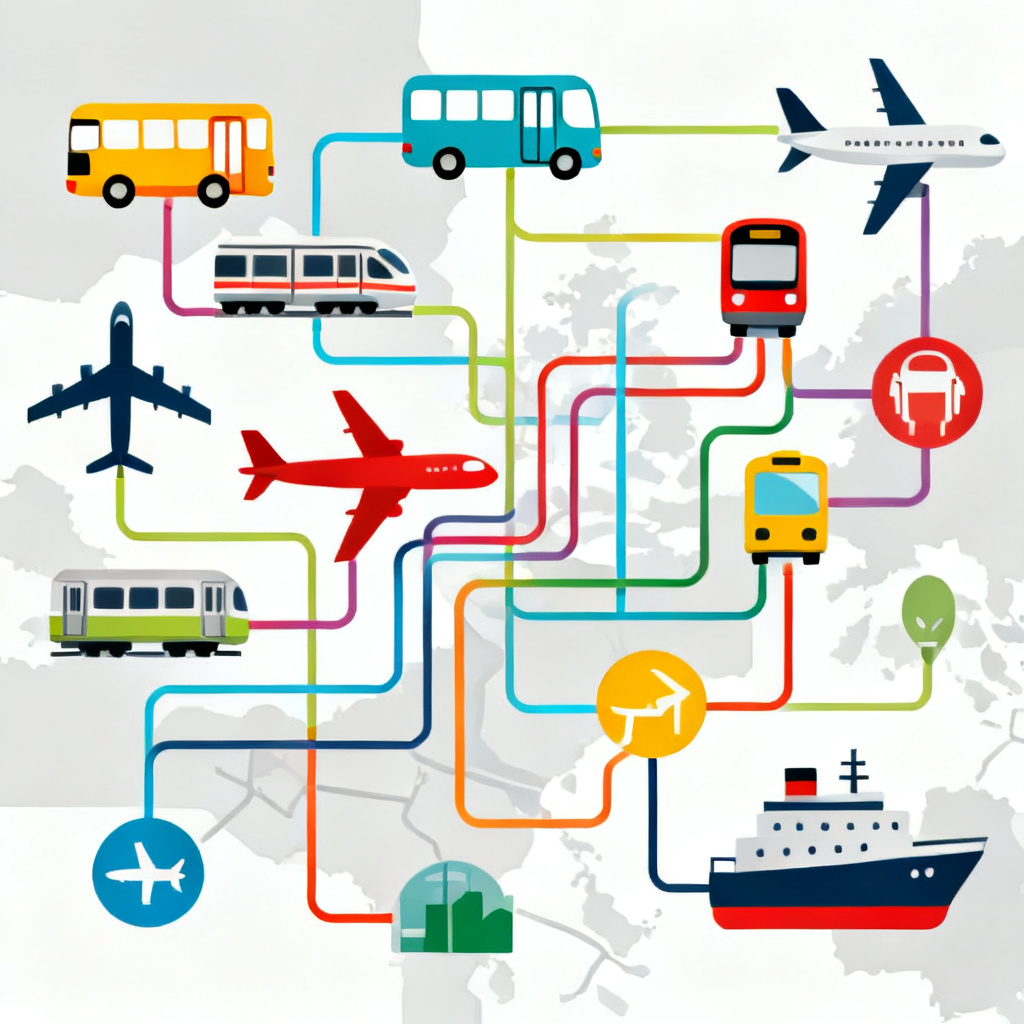
交通
➕
jiāo tōng
n.
指各种帮助人和物移动的系统,比如公交、地铁、火车、飞机等,是整个社会运转的基础设施。
📘 详细信息与用法拓展
📖 词根拆解
由 `trans-`(意为“跨越、穿过”)和 `port`(意为“携带、运送”)组合而成,加上名词后缀 `-ation`。字面意思就是“带着东西穿过去”。
💡 联想技巧
谐音联想:“穿行破身”。想象一列火车“穿行”在山川之间,“破”开了空间的距离,把人和货物送到“身”边的目的地。
📖 例句
The city is investing in eco-friendly public transportation to reduce traffic jams and pollution.
这座城市正在投资环保公共交通,以减少交通堵塞和污染。
🔗 固定搭配
public transportation – 公共交通
transportation hub – 交通枢纽
🔄 同义词
transit (n.) – 公共交通系统,尤指城市内的
🌱 派生词
transport (v.) – 运输,运送
📖 文化故事
想象一下,在数千年前,人们必须翻越险峻的高山才能与邻村交换盐巴和陶器。突然有一天,某个部落的智者发现,圆形的木头可以滚动着搬运重物。这个看似简单的发现,最终引发了什么样的连锁反应,彻底改变了人类世界的连接方式?
含义2:运送 (transportation)
transportation
[ˌtrænspɔːˈteɪʃn]
n.
The act of moving something or someone from one place to another.

运送
➕
yùn sòng
n.
指将某人或某物从一个地方移动到另一个地方的行动或过程本身。
Wordbook
您的数据已保存在此浏览器中