阅读主题:
stale 的含义、用法与常见搭配解析 (共2个含义)
含义1:不新鲜的 (stale)
stale
[steɪl]
adj.
not fresh anymore, so it's dry, hard, and tastes bad.
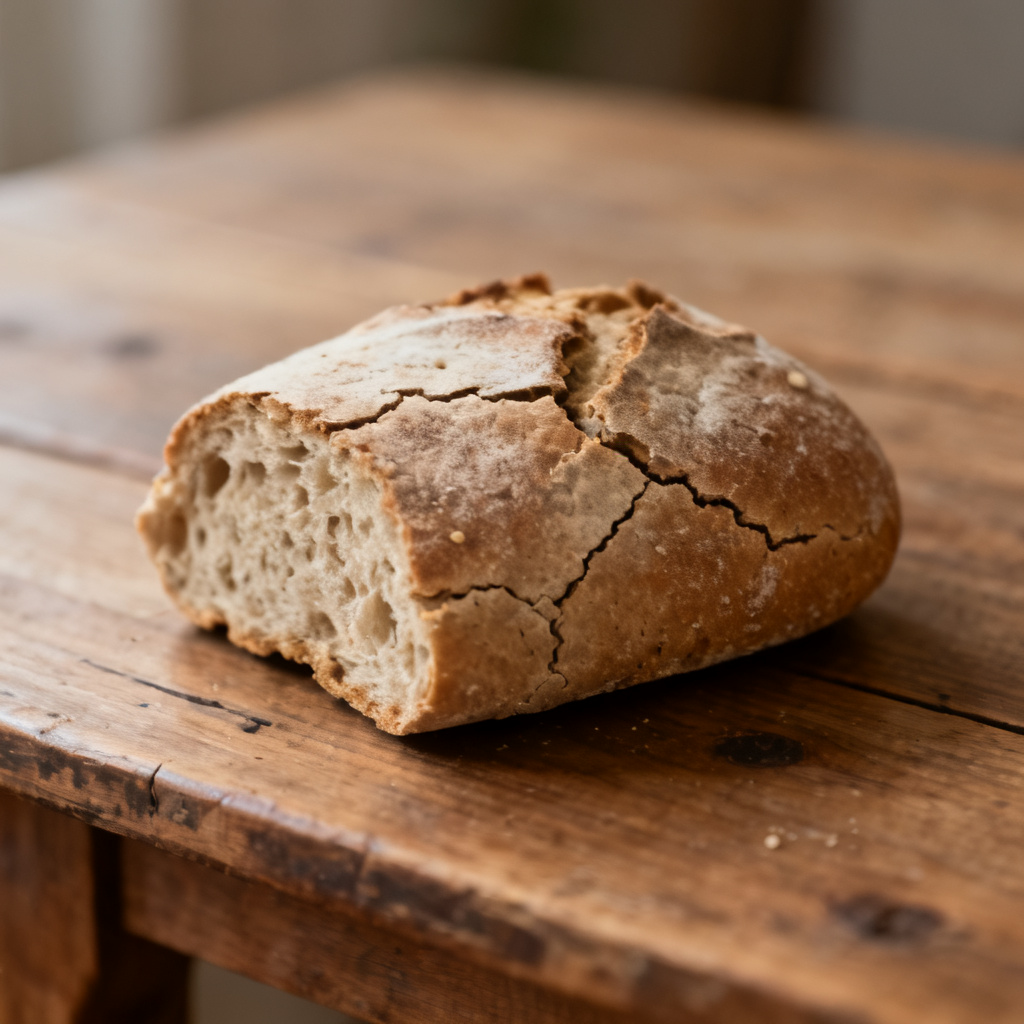
不新鲜的
➕
bù xīn xiān de
adj.
主要用来形容食物,特别是面包、饼干这类放久了的东西。它们已经不再新鲜,变得又干又硬,或者味道怪怪的,不好吃了。
📘 详细信息与用法拓展
📖 词根拆解
这个词来自古英语‘stæl’,意思是‘站立’或‘位置’。想象一下,一个东西一直‘站着’不动,久而久之就变得‘陈旧’、‘不新鲜’了。
💡 联想技巧
谐音+画面:把它想成是‘死掉(sī)了(le)’。想象一块饼干‘死掉了’,变得又干又硬,了无生气,所以它是‘stale’(不新鲜的/陈腐的)。
📖 例句
I forgot the bread on the counter, and now it's stale and too hard to eat.
我把面包忘在台面上了,现在它已经不新鲜,硬得没法吃了。
🔗 固定搭配
stale bread – 不新鲜的面包
stale air – 不流通的、闷热的空气
go stale – 变得不新鲜
🚫 反义词
fresh (adj.) – 新鲜的
🌱 派生词
staleness (n.) – 不新鲜的状态;陈腐
📖 文化故事
想象一下,你是一个中世纪的仆人,清晨偷偷溜进厨房,想拿一片刚出炉的面包。但你的手只摸到了一块又干又硬、甚至发霉的东西--这就是‘stale bread’。它的霉味宣告着它已不再是食物,而是失败的象征。这一刻,‘stale’不再仅仅是描述面包,它捕捉了所有因时间流逝而失去活力与价值的东西,是如何从人们的期待中跌落的。
含义2:陈腐的 (stale)
stale
[steɪl]
adj.
not interesting anymore because it's old, repeated too many times, and not new.

陈腐的
➕
chén fǔ de
adj.
形容一个笑话、一个故事或者一个想法,因为你已经听过、看过太多遍了,所以觉得它很无聊、老套,一点也不新鲜有趣了。
📘 详细信息与用法拓展
📖 例句
That comedian's jokes feel stale now; I've heard all the same punchlines before.
那个喜剧演员的笑话现在感觉很老套;我以前都听过同样的笑点。
🔗 固定搭配
stale joke – 老掉牙的笑话
stale idea – 陈腐的观念
🔄 同义词
unoriginal (adj.) – 缺乏原创性的
boring (adj.) – 无聊的
🌱 派生词
staleness (n.) – 不新鲜的状态;陈腐
Wordbook
您的数据已保存在此浏览器中