Reading Theme:
Organic: Definition, Usage & Common Mistakes (2 meaning)
Meaning 1:naturally grown (organic)
organic
/ɔːrˈɡænɪk/
adj.
Grown naturally, without using man-made chemicals like fertilizers or pesticides to help plants grow.
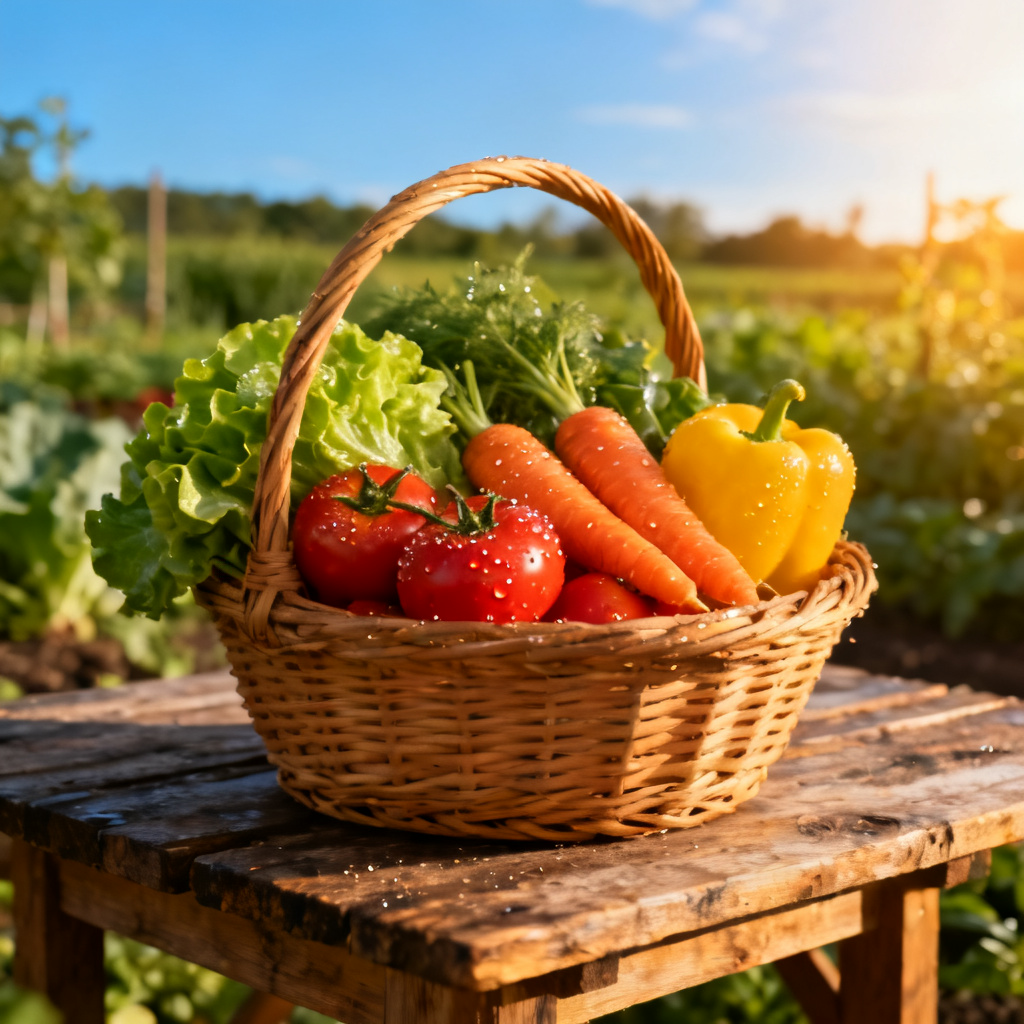
naturally grown
➕
/ˈnætʃərəli ɡroʊn/
adj.
Refers to products, especially food, that are produced without the use of synthetic chemicals such as pesticides or fertilizers.
📘 Details & Usage
📖 Root Explanation
From Latin 'organicus', from Greek 'organon' meaning instrument or tool.
💡 Mnemonic
Link 'organic' to 'organ' – like body parts, organic things are naturally formed without artificial help.
📖 Example
I spent a bit more at the supermarket on organic strawberries because they tasted sweeter and fresher.
I paid extra for organic strawberries at the supermarket as they were sweeter and fresher.
🔗 Collocations
organic food – food grown without artificial chemicals
organic farming – agricultural method that avoids synthetic inputs
organic produce – fresh fruits and vegetables grown organically
🔄 Synonyms
natural (adj.) – existing in or derived from nature; not made by humans
chemical-free (adj.) – produced without the use of synthetic chemicals
eco-friendly (adj.) – not harmful to the environment
🚫 Antonyms
synthetic (adj.) – made by chemical synthesis, imitating natural products
artificial (adj.) – made or produced by humans, not occurring naturally
processed (adj.) – treated or prepared with additives or special methods
🌱 Derivatives
organically (adv.) – in an organic manner; without synthetic chemicals
organism (n.) – an individual animal, plant, or single-celled life form
organicity (n.) – the quality of being organic
📖 Cultural Story
Derived from Greek 'organikos', pertaining to an organ. Modern use highlights agriculture and food produced without synthetic additives.
Meaning 2:develop naturally (organic)
organic
/ɔːrˈɡænɪk/
adj.
Happening or developing naturally and gradually, not forced or planned in detail by people.
develop naturally
➕
/dɪˈveləp ˈnætʃərəli/
adj.
Describes processes or relationships that evolve spontaneously and without forced planning, often gradually.
📘 Details & Usage
📖 Example
Our friendship felt very organic; it wasn't planned, we just kept running into each other at the library and started chatting.
Our friendship developed naturally; it wasn't arranged, we just naturally met at the library and began talking.
🔗 Collocations
organic growth – natural expansion or development without external forcing
organic process – a procedure that occurs naturally over time
organic connection – a relationship formed spontaneously
🔄 Synonyms
natural (adj.) – happening in accordance with the ordinary course of nature
spontaneous (adj.) – occurring as a result of a sudden impulse, not planned
unforced (adj.) – not compelled or constrained; voluntary
🚫 Antonyms
forced (adj.) – obtained or imposed by coercion or pressure
artificial (adj.) – contrived or affected; not genuine
planned (adj.) – designed or arranged in advance
🌱 Derivatives
organically (adv.) – in a natural, spontaneous manner
organization (n.) – an organized group or structure, but note different root sense
organize (v.) – arrange systematically, related but distinct
Wordbook
Your data is saved in this browser