Reading Theme:
Organism: Definition, Examples & Usage
Meaning 1:living being (organism)
organism
/ˈɔːrɡənɪzəm/
n.
A single living thing that can grow, reproduce, and respond to its environment.
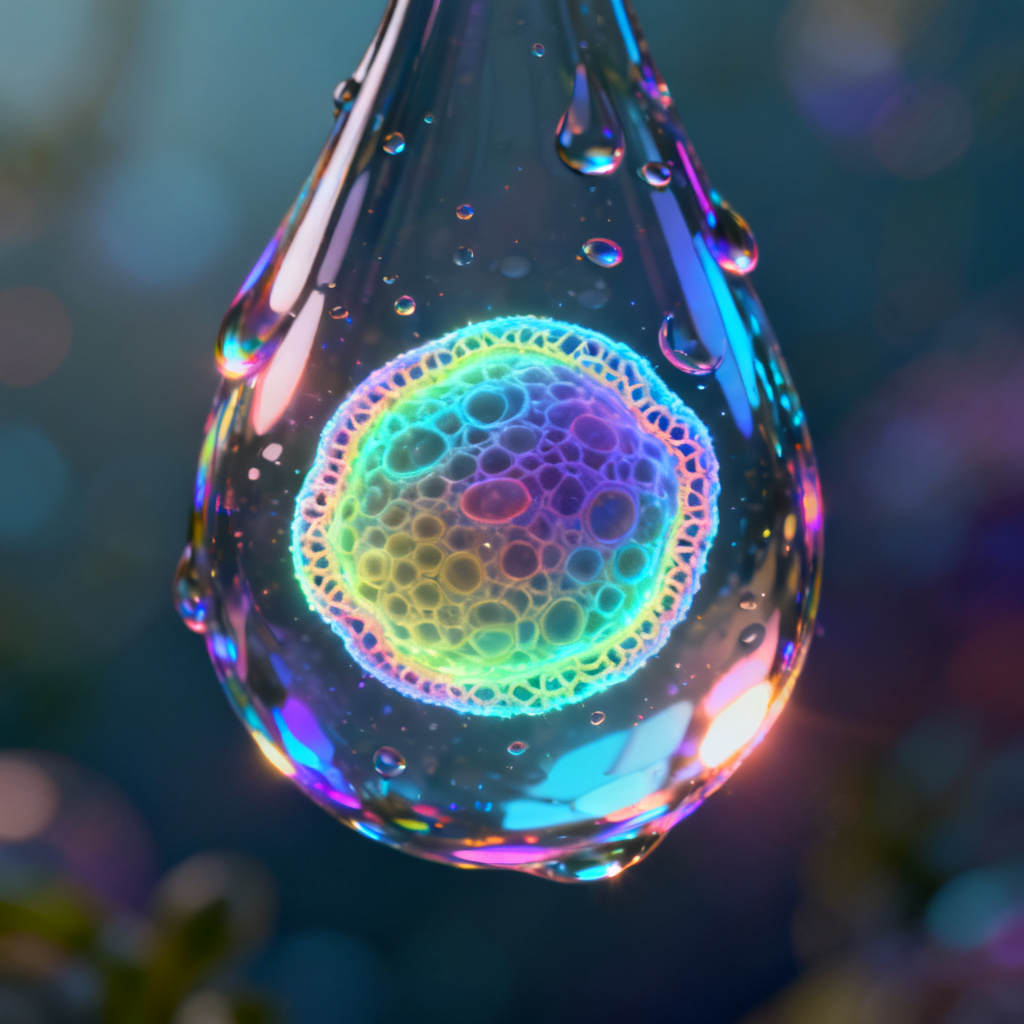
living being
➕
/ˈlɪvɪŋ ˈbiːɪŋ/
n.
An individual form of life, such as a plant, animal, fungus, or bacterium, that is capable of carrying out all the fundamental processes of life.
📘 Details & Usage
📖 Root Explanation
From Greek 'organon' (tool, instrument) + suffix '-ism', denoting a system or entity.
💡 Mnemonic
Think: ORGANism - an ORGAnized system of interacting parts, like the organs in a body.
📖 Example
The scientist was excited to discover a tiny, glowing organism in the deep-sea sample.
The scientist was thrilled to find a small, luminous living being within the sample taken from the deep ocean.
🔗 Collocations
living organism – a biological entity that exhibits the characteristics of life
single-celled organism – a life form consisting of only one cell, like a bacterium
marine organism – a living being that inhabits the ocean or sea
🔄 Synonyms
🚫 Antonyms
machine (n.) – A man-made apparatus that performs tasks but is not alive.
🌱 Derivatives
microorganism (n.) – A microscopic organism, such as a bacterium or virus.
organic (adj.) – Relating to or derived from living matter; having a systematic structure.
organismic (adj.) – Relating to an organism or its characteristics.
📖 Cultural Story
Derived via Latin and French from the Greek 'organon', meaning an instrument for work. The modern biological sense emerged in the 18th century, solidifying the concept of a complex living structure composed of interrelated parts (organs) functioning as a whole.
Wordbook
Your data is saved in this browser