Reading Theme:
Natural: Definition, Usage & Key Differences (2 meaning)
Meaning 1:existing in nature (natural)
natural
/ˈnætʃrəl/
adj.
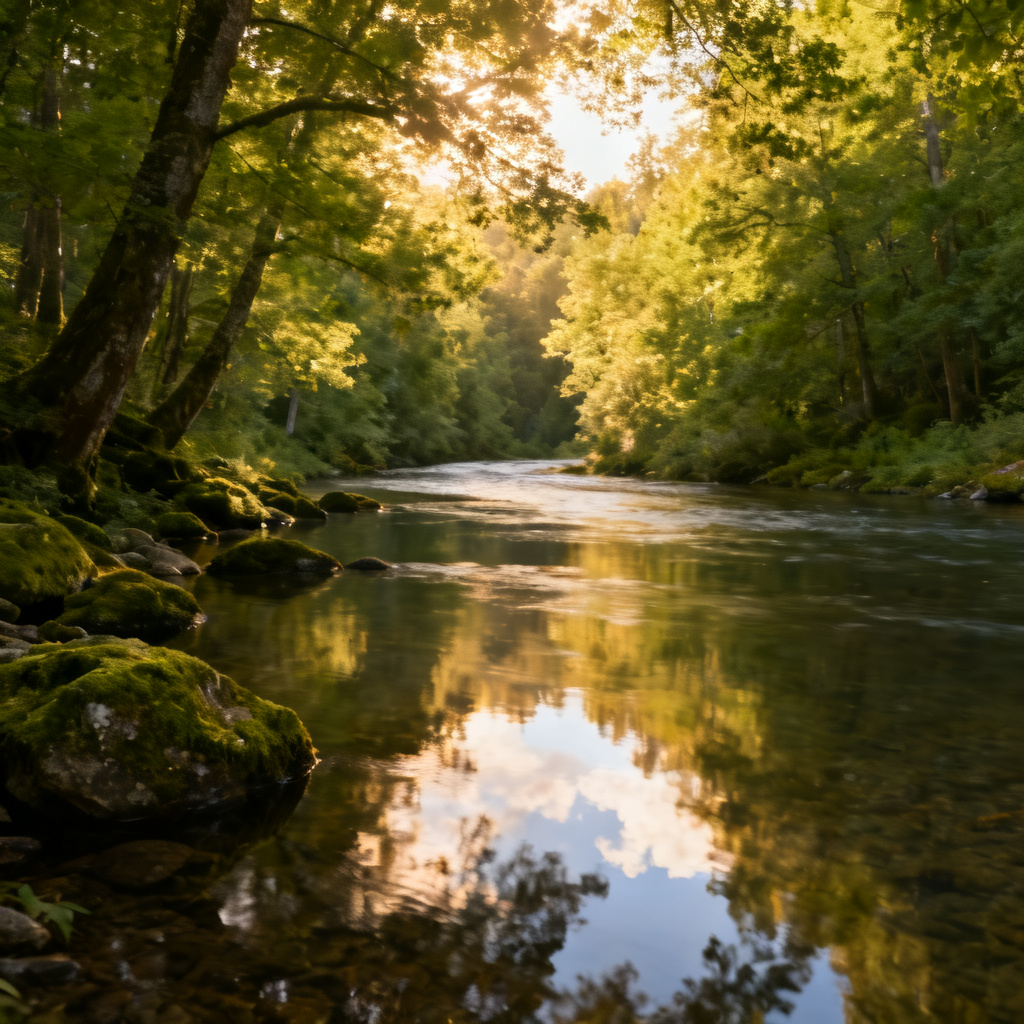
Something that comes from nature, not made by people.
existing in nature
➕
/ɪɡˈzɪstɪŋ ɪn ˈneɪtʃər/
adj.
Describes things that are part of the physical world and its phenomena, not created or caused by human beings.
📘 Details & Usage
📖 Root Explanation
Derived from Latin 'naturālis', relating to 'nātūra' (birth, character). The root 'nat-' means 'born'. So, 'natural' describes something pertaining to birth or inherent character.
💡 Mnemonic
Think of **NATURE**. A NATURAL thing comes straight from NATURE, not from a factory. Just remember: NATURE -> NATURAL.
📖 Example
The photographer waited for hours in the forest to capture the fox in its natural habitat.
The photographer waited patiently in the forest for a long time to take a picture of the fox in the environment where it normally lives.
🔗 Collocations
natural resources – Materials or substances occurring in nature which can be exploited for economic gain, such as water, air, and minerals.
natural disaster – A major adverse event resulting from natural processes of the Earth, like an earthquake or hurricane.
🔄 Synonyms
🚫 Antonyms
artificial (adj.) – Made or produced by human beings rather than occurring naturally.
man-made (adj.) – Made or caused by human beings; synthetic.
🌱 Derivatives
naturally (adv.) – In a natural manner; as one would expect.
naturalize (verb) – To admit (a foreigner) to the citizenship of a country; or to introduce (a plant or animal) into a region where it is not indigenous.
naturalism (noun) – A style in art and literature that depicts familiar things as they actually are.
📖 Cultural Story
The word 'natural' entered English via Old French from the Latin 'naturālis', meaning 'by birth, according to nature'. This Latin term stems from 'nātūra', which itself comes from 'nātus', the past participle of 'nāscī' (to be born). This core connection to birth and inherent qualities reflects a long-standing philosophical distinction between what is produced by nature versus what is created by human artifice, a concept central to discussions from Aristotle to modern environmentalism.
Meaning 2:innate talent (natural)
natural
/ˈnætʃrəl/
adj.
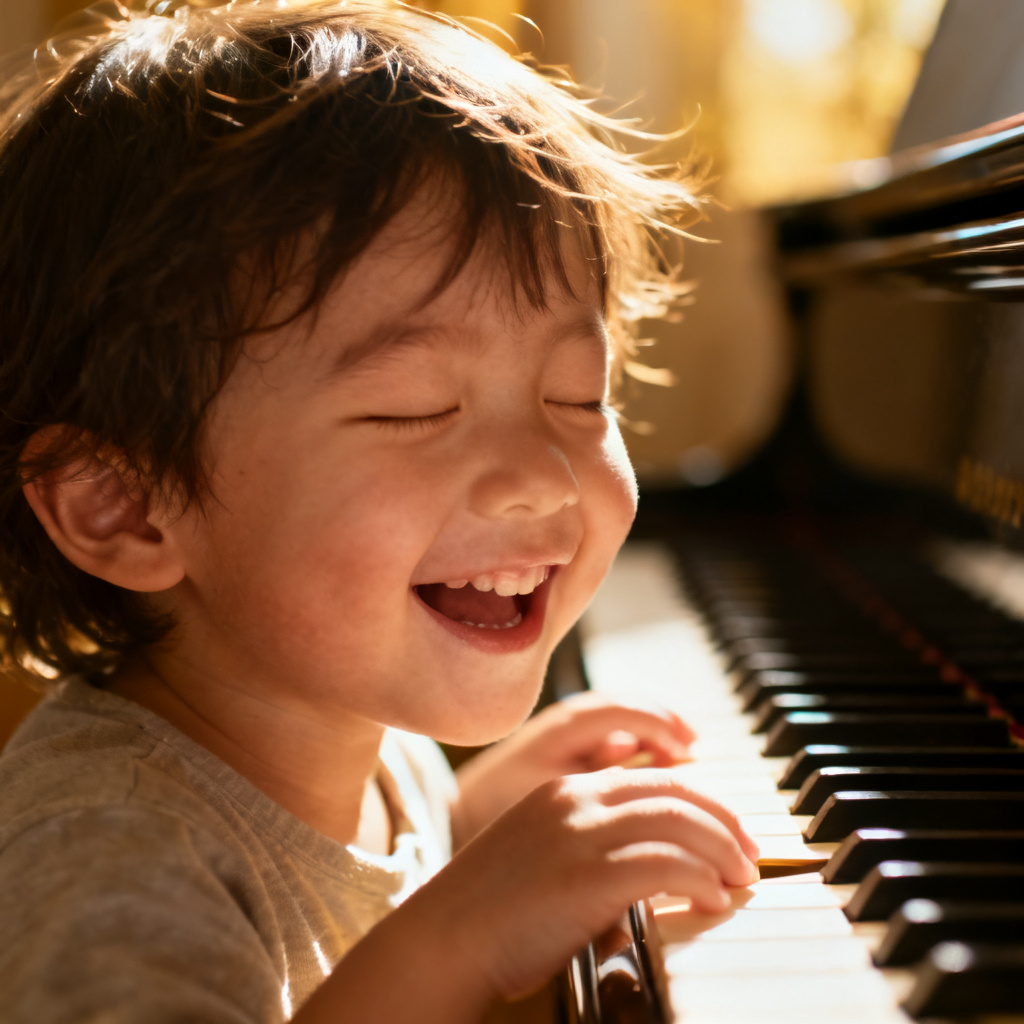
A talent or feeling that you are born with, not learned. It feels easy and normal.
innate talent
➕
/ɪˈneɪt ˈtælənt/
adj.
Describes an ability, skill, or quality that a person is born with, not something learned through study or practice. It feels instinctive and effortless.
📘 Details & Usage
📖 Example
Even without formal training, she was a natural public speaker who could connect with any audience.
She had a born talent for speaking in front of groups and engaging listeners, even though she never took any professional lessons for it.
🔗 Collocations
natural ability – An inborn skill or talent for doing something.
come natural to someone – To be easy or instinctive for a person to do.
🔄 Synonyms
innate (adj.) – Inborn; existing from birth.
instinctive (adj.) – Relating to or prompted by instinct; done without conscious thought.
Wordbook
Your data is saved in this browser