Reading Theme:
Leave: Meanings, Examples, and Usage Guide (2 meaning)
Meaning 1:depart (leave)
leave
/liːv/
v.
To go away from a place or person.

depart
➕
/dɪˈpɑːrt/
v.
To go away from a place or person, moving elsewhere.
📘 Details & Usage
📖 Root Explanation
Old English 'lǣfan' (to let remain); Proto-Germanic *laubijaną.
💡 Mnemonic
Picture 'leave' as 'leaf': when a leaf falls, it leaves the tree.
📖 Example
I waved goodbye and leave the house to drive to work.
I waved goodbye and depart from the house to drive to work.
🔗 Collocations
leave home – to depart from one's house
leave the office – to exit the workplace
leave work – to finish and go away from one's job for the day
🔄 Synonyms
🚫 Antonyms
🌱 Derivatives
📖 Cultural Story
In Old English, 'lǣfan' meant 'to let remain'. The modern 'go away' sense emerged around 1200, from the idea of 'leaving behind' a place.
Meaning 2:leave behind (leave)
leave
/liːv/
v.
To not take something with you when you go away; to let something remain.
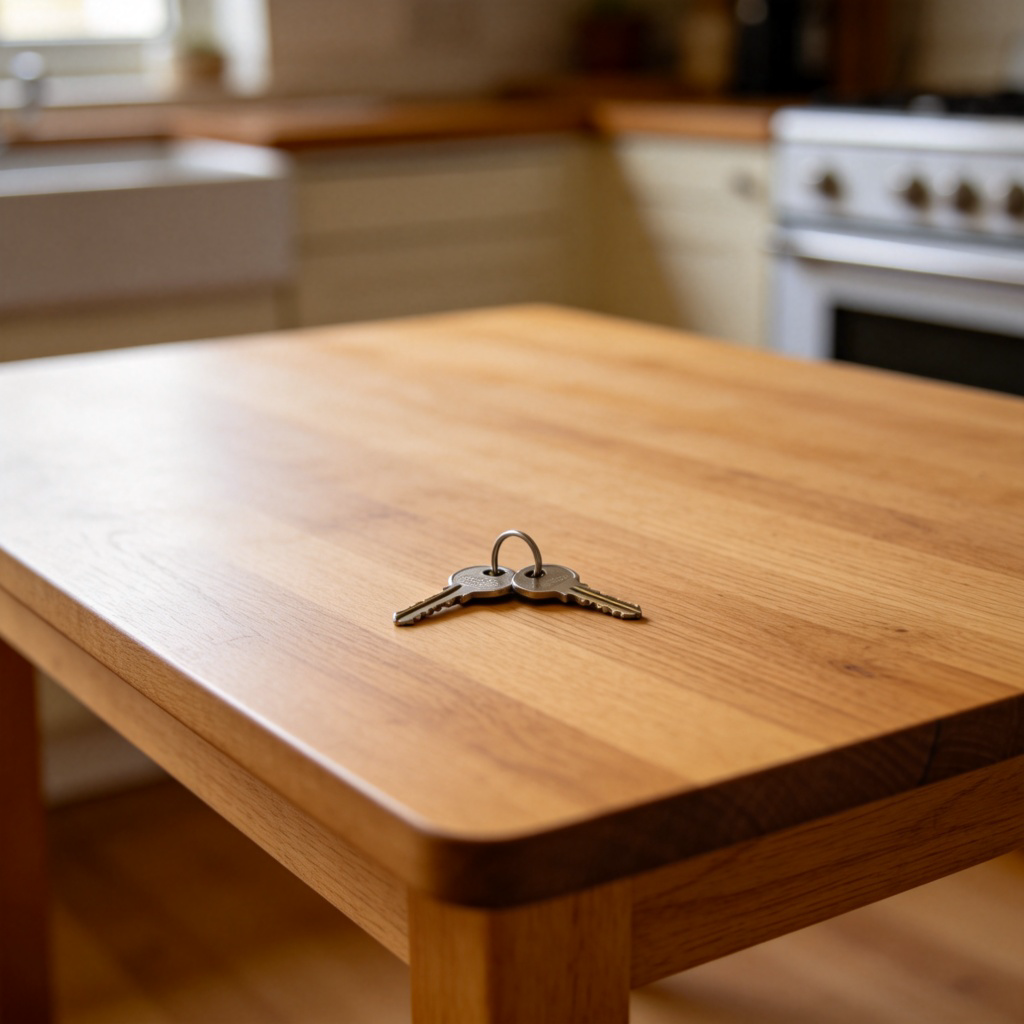
leave behind
➕
/liːv bɪˈhaɪnd/
v.
To not take something with you when you go away; to let something remain in its place.
📘 Details & Usage
📖 Example
Don't leave your umbrella at my house again; it might rain tomorrow!
Do not leave your umbrella behind at my house again; it might rain tomorrow!
🔗 Collocations
leave behind – to fail to bring something when departing
leave at home – to forget to bring something from one's residence
leave with someone – to entrust something to stay with a person
🔄 Synonyms
🚫 Antonyms
Wordbook
Your data is saved in this browser