Reading Theme:
Go Verb: Meanings, Examples, and Usage (3 meaning)
Meaning 1:move (go)
go
/ɡəʊ/
v.
To move or travel from one place to another.

move
➕
/muːv/
v.
To move or travel from one place to another, typically with a purpose or destination.
📘 Details & Usage
📖 Root Explanation
From Old English 'gān', of Germanic origin; akin to Old High German 'gān' and Latin 'vadere'.
💡 Mnemonic
Think 'G-O' as 'Get Out'—you need to go to leave your current spot.
📖 Example
I need to go to the supermarket after work to buy some milk.
I need to go to the supermarket after work to buy some milk.
🔗 Collocations
go to – travel to a specific place
go out – leave one's home for social or other activities
go home – return to one's residence
🔄 Synonyms
🚫 Antonyms
🌱 Derivatives
📖 Cultural Story
One of the most fundamental English verbs, 'go' appears in the earliest Old English texts. Its past tense 'went' comes from the Old English 'wendan' (to turn), making 'go' one of the few verbs with a suppletive paradigm.
Meaning 2:operate (go)
go
/ɡəʊ/
v.
To function or operate; to start working.

operate
➕
/ˈɒpəreɪt/
v.
To function or operate correctly, especially after being activated or started.
📘 Details & Usage
📖 Example
My computer is so old that sometimes it takes a full minute to go after I press the power button.
My computer is so old that sometimes it takes a full minute to go after I press the power button.
🔗 Collocations
go off – to start making a loud noise or to function suddenly
go on – to start functioning or to continue operating
go wrong – to stop functioning correctly; to malfunction
🔄 Synonyms
🚫 Antonyms
Meaning 3:become (go)
go
/ɡəʊ/
v.
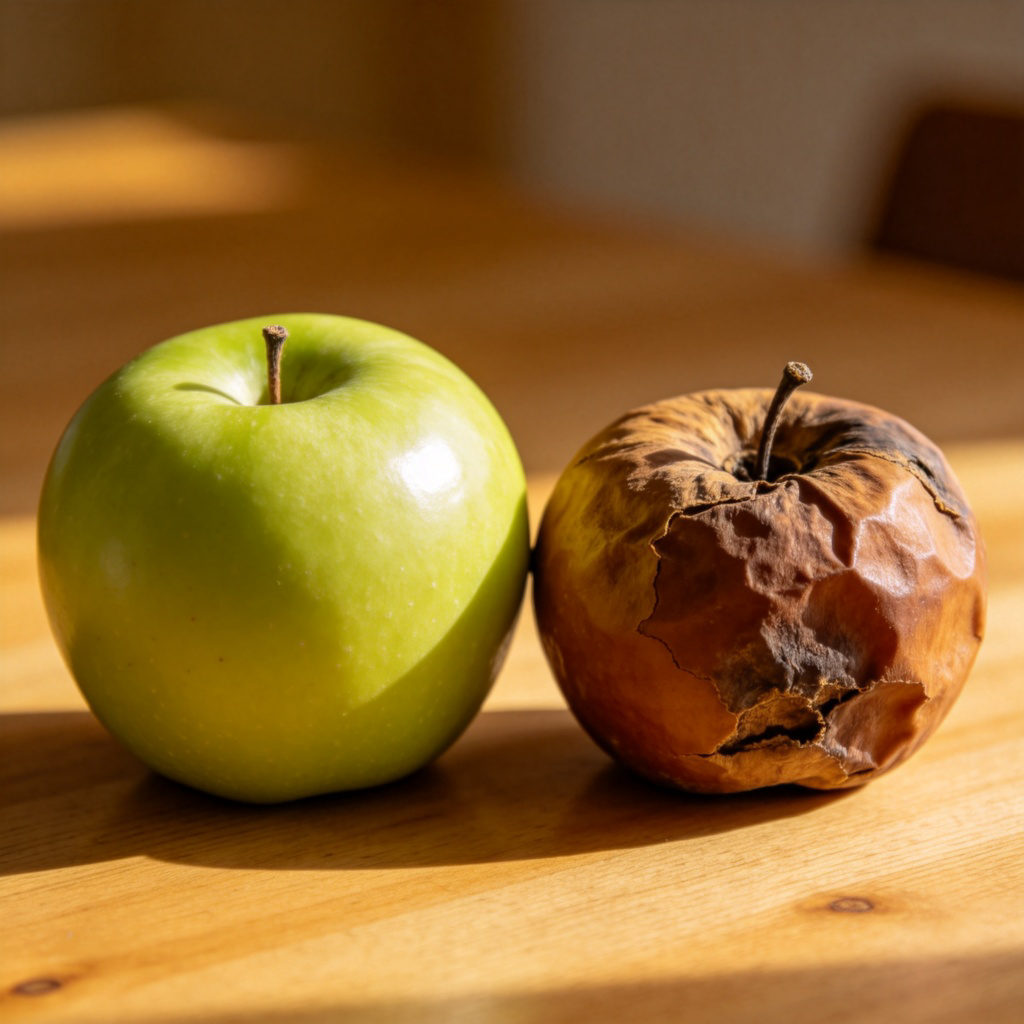
To become or change to a particular state, often a negative one.
become
➕
/bɪˈkʌm/
v.
To undergo a change to a particular state, often indicating deterioration or transformation.
📘 Details & Usage
📖 Example
If you leave the bananas out too long, they will go bad and turn black.
If you leave the bananas out too long, they will go bad and turn black.
🔗 Collocations
go bad – to become spoiled or rotten
go sour – to become acidic or unpleasant (of food, relationships)
go mad – to become insane or very angry
🔄 Synonyms
🚫 Antonyms
stay fresh (v. phrase) – To remain in a good or unchanged state
remain (v.) – To continue to be in the same condition
🌱 Derivatives
gone (adj.) – Used up, spoiled, or past (e.g., 'the milk is gone')
Wordbook
Your data is saved in this browser