阅读主题:
wild 的两种核心含义:疯狂的与野生的 (共2个含义)
含义1:疯狂的 (wild)
wild
/waɪld/
adj.
Very energetic, uncontrolled, or extreme in behavior or appearance.

疯狂的
➕
fēng kuáng de
adj.
形容东西或人非常吵闹、兴奋、不按常理出牌,像脱缰的野马一样。比如一场超嗨的派对,或者一个人激动得手舞足蹈。
📘 详细信息与用法拓展
📖 词根拆解
这个词来自古英语“wilde”,它的词根意义和“will”(意志、意愿)有关。所以,你可以理解为“wild”的东西,是“有自己的意志的”,而不是听人话的。
💡 联想技巧
谐音:外头的。想象‘外头的’东西,比如外头的动物、外头的植物、外头的派对,通常都比较‘野’,不受家里规矩的约束。
📖 例句
At the party, the music was so wild that everyone was dancing on the tables.
派对上,音乐太疯狂了,大家都在桌子上跳舞。
🔗 固定搭配
go wild – 变得疯狂;激动万分
wild guess – 瞎猜,没有根据的猜测
🔄 同义词
crazy (adj.) – 疯狂的,形容非常不理智或极端。
uncontrolled (adj.) – 不受控制的,失去管理的。
🚫 反义词
calm (adj.) – 平静的,安静的。
controlled (adj.) – 受控制的,有纪律的。
📖 文化故事
想象一下,几千年前的欧洲森林,对早期定居的人类来说意味着什么?那是一片未知的、充满威胁的领域,是家园之外的地方,被称为“wilde”。这个词源,就像是人类文明边界与原始混沌之间那条看不见的线,一侧是安全温暖的篝火,另一侧是黑暗森林里无数双眼睛。那么,当人类说‘wild’时,他们到底在恐惧什么,又在向往什么?
含义2:野生的 (wild)
wild
/waɪld/
adj.
Living freely in nature, not kept or controlled by people.
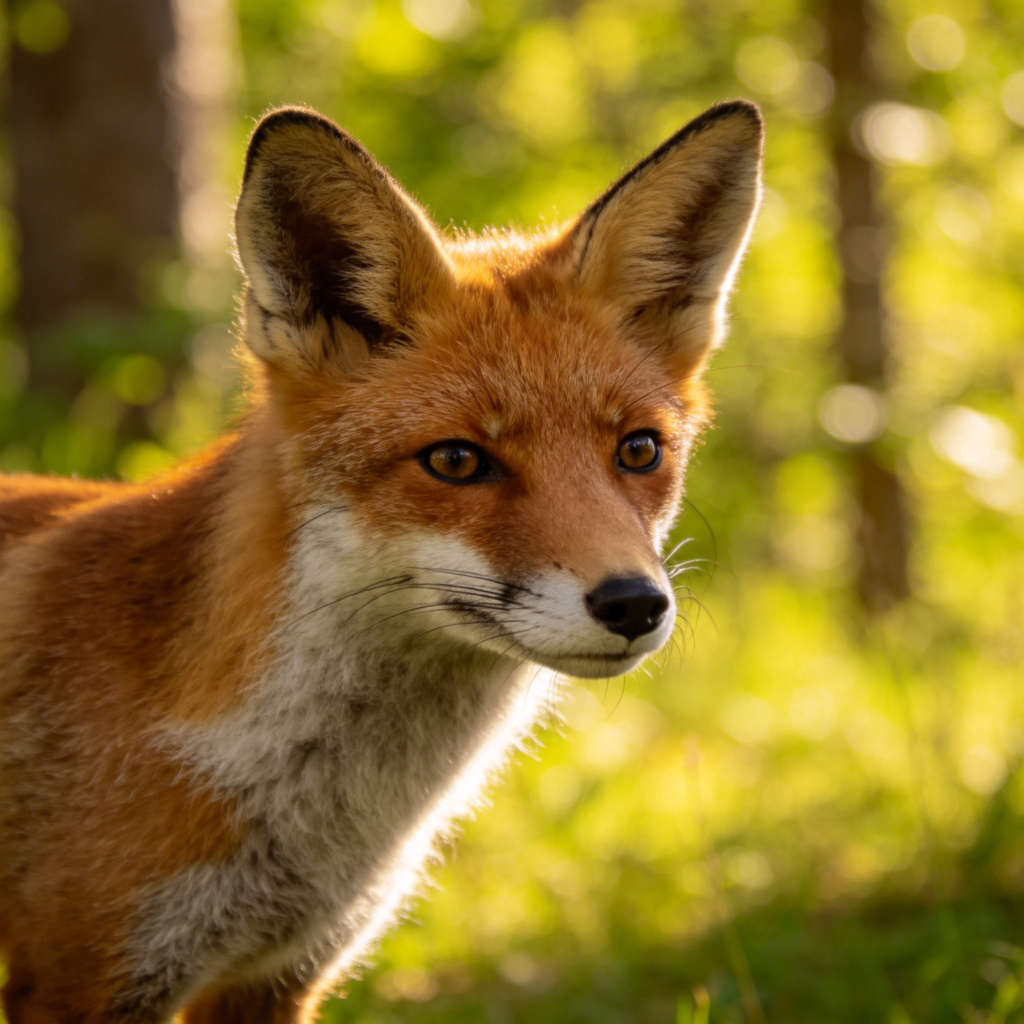
野生的
➕
yě shēng de
adj.
形容动植物在自然界中自由生长、生活,没有被人类捉住、驯化或照顾。比如森林里的老虎,或者路边没人种自己长出来的花。
📘 详细信息与用法拓展
📖 例句
In the Disney movie, Simba learns to survive in the wild after leaving his home.
在迪士尼电影里,辛巴离开家后,学会了在野外生存。
🔗 固定搭配
wild animal – 野生动物
wild flowers – 野花
the wild – 荒野,野外
🔄 同义词
untamed (adj.) – 未驯服的,保有自然野性的。
🚫 反义词
tame (adj.) – 驯服的,温顺的(指动物)。
domesticated (adj.) – 被驯化的,家养的。
🌱 派生词
wildlife (n.) – 野生动物(总称)
Wordbook
您的数据已保存在此浏览器中