阅读主题:
welfare 含义解析:福利与安康的用法区别 (共2个含义)
含义1:福利 (welfare)
welfare
[ˈwelfeə(r)]
n.
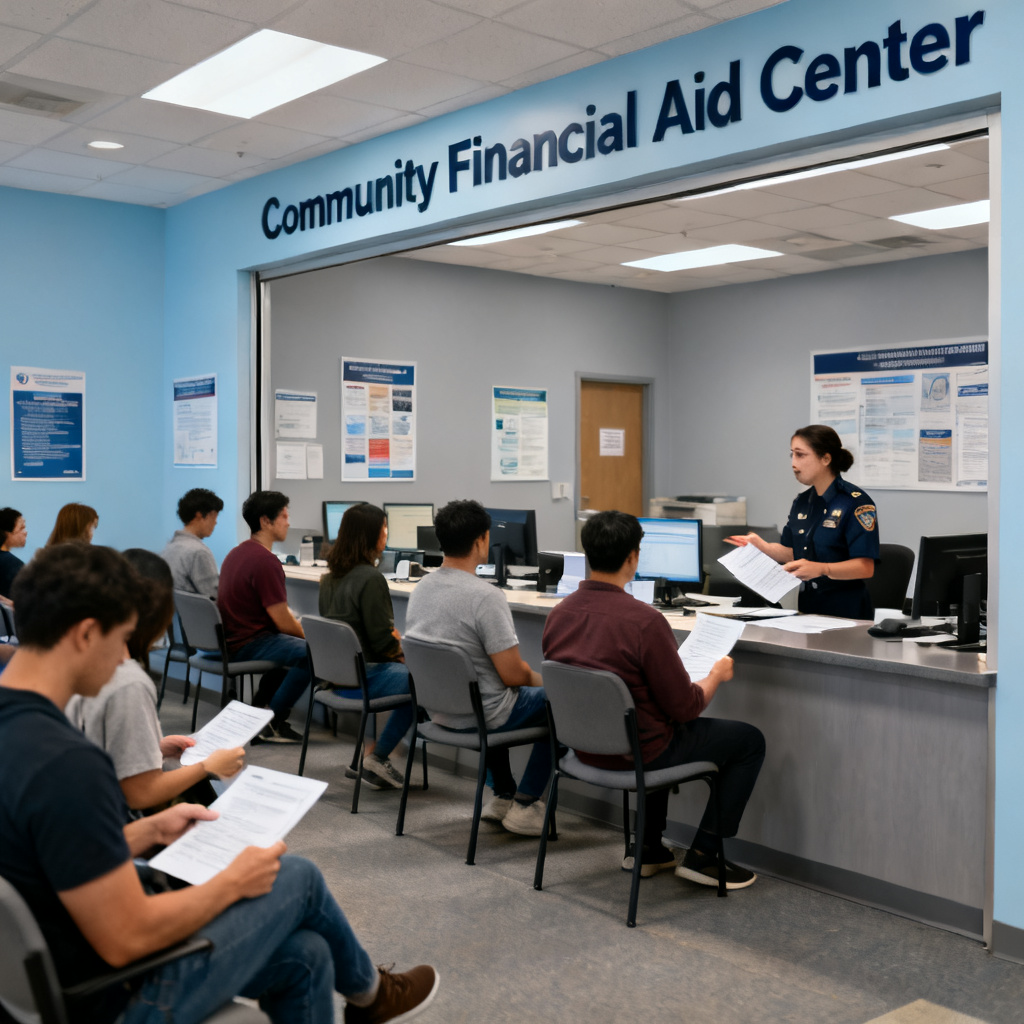
Help such as money, food, or medical care provided by the government to people in need, like those who are poor, sick, or jobless.
福利
➕
fú lì
n.
政府或组织为了帮助那些处于困境(如贫穷、失业、年老)的人们,提供的金钱、食物、医疗或住房等方面的援助。就像社会的一份安全网。
📘 详细信息与用法拓展
📖 词根拆解
这个词来自两个古英语词:‘wel’(好,良好)和 ‘faru’(旅程,境遇)。合起来就是“好的境遇”或“过得好”。
💡 联想技巧
**‘well-fare’(好-运费)。想象一张‘好运票’(welfare),它能帮助你度过难关,让生活变‘好’(well)。** 或者记成:‘wel’发音像‘well’(好),‘fare’发音像‘care’(关心),意思是‘好好的关心’就是福利。
📖 例句
Many families rely on welfare payments to cover their basic living costs like rent and groceries.
许多家庭依靠福利金来支付房租和食品杂货等基本生活开支。
🔗 固定搭配
social welfare – 社会福利
welfare state – 福利国家(政府为公民提供全面福利)
welfare benefits – 福利津贴
🔄 同义词
benefits (n.) – (尤指政府或公司提供的)福利金,补助
📖 文化故事
想象一个寒冷刺骨的冬天,工厂烟囱不再冒烟,街上的人们排队领面包,眼神空洞。那是二十世纪三十年代的经济大萧条。在这场席卷全球的灾难中,一个观念开始萌芽--为了社会稳定,**政府应该主动照顾那些失去工作、没有收入的人**。这不再是慈善,而是国家的责任。正是这种危机催生了现代‘福利’概念。
含义2:安康 (welfare)
welfare
[ˈwelfeə(r)]
n.
The general health, happiness, and good living conditions of a person, animal, or group. It's about how well they are doing in life.

安康
➕
ān kāng
n.
指一个人或一群人的整体健康和幸福状况,不仅仅是身体没病,也包括心情好、生活顺利。类似于我们常说的“福祉”或“过得好不好”。
📘 详细信息与用法拓展
📖 例句
The zookeepers always put the welfare of the animals first, making sure they have spacious habitats and a good diet.
动物园管理员总是把动物的安康放在首位,确保它们有宽敞的栖息地和良好的饮食。
🔗 固定搭配
animal welfare – 动物福利
public welfare – 公共福祉,公众利益
child welfare – 儿童福利(保障儿童健康成长的权益)
🔄 同义词
well-being (n.) – 健康幸福的状态
prosperity (n.) – (生活上的)繁荣,富足
Wordbook
您的数据已保存在此浏览器中