阅读主题:
soil 的含义、用法与常见搭配解析
含义1:泥土 (soil)
soil
/sɔɪl/
n.
the top layer of the earth's surface where plants grow.
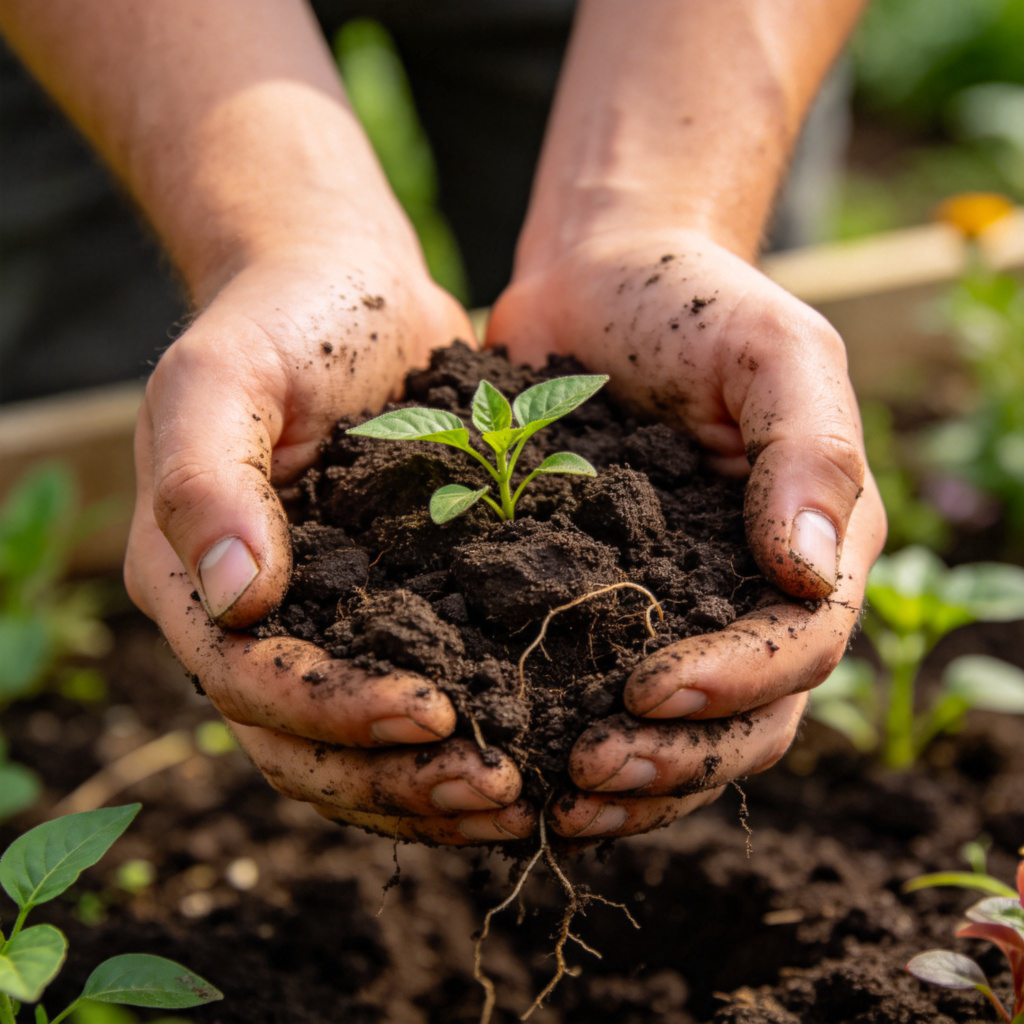
泥土
➕
ní tǔ
n.
地球最上层的、能让植物生长的那种物质;我们平时说的土。
📘 详细信息与用法拓展
📖 词根拆解
它来自拉丁语,和“sus”(猪)有关,原指“猪打滚的地方”,后来变成泛指植物生长的土地。
💡 联想技巧
谐音‘所爱’。想象一株植物对它生长的土地说:“这是我‘所爱’的土壤(soil),我的家。”
📖 例句
The children ran barefoot across the garden, their toes sinking into the soft, damp soil.
孩子们光着脚在花园里跑,脚趾陷进柔软潮湿的泥土里。
🔗 固定搭配
rich soil – 肥沃的土壤
sandy soil – 沙质土壤
cultivate the soil – 耕地
🌱 派生词
soil (v.) – 弄脏;玷污
📖 文化故事
想象一下,在遥远的古代,人们最重要的任务就是在一片新的土地上耕种。当他们费力地清理掉石头和荆棘,露出下面柔软、可以抓住种子的物质时,一个决定他们能否生存的词便诞生了。从这个具体的“耕作土壤”,到更广泛的“地球的表层皮肤”,“soil”这个词承载着人类文明的根基。
Wordbook
您的数据已保存在此浏览器中