阅读主题:
scenery 含义详解:风景与布景用法区别 (共2个含义)
含义1:风景 (scenery)
scenery
[ˈsiːnəri]
n.
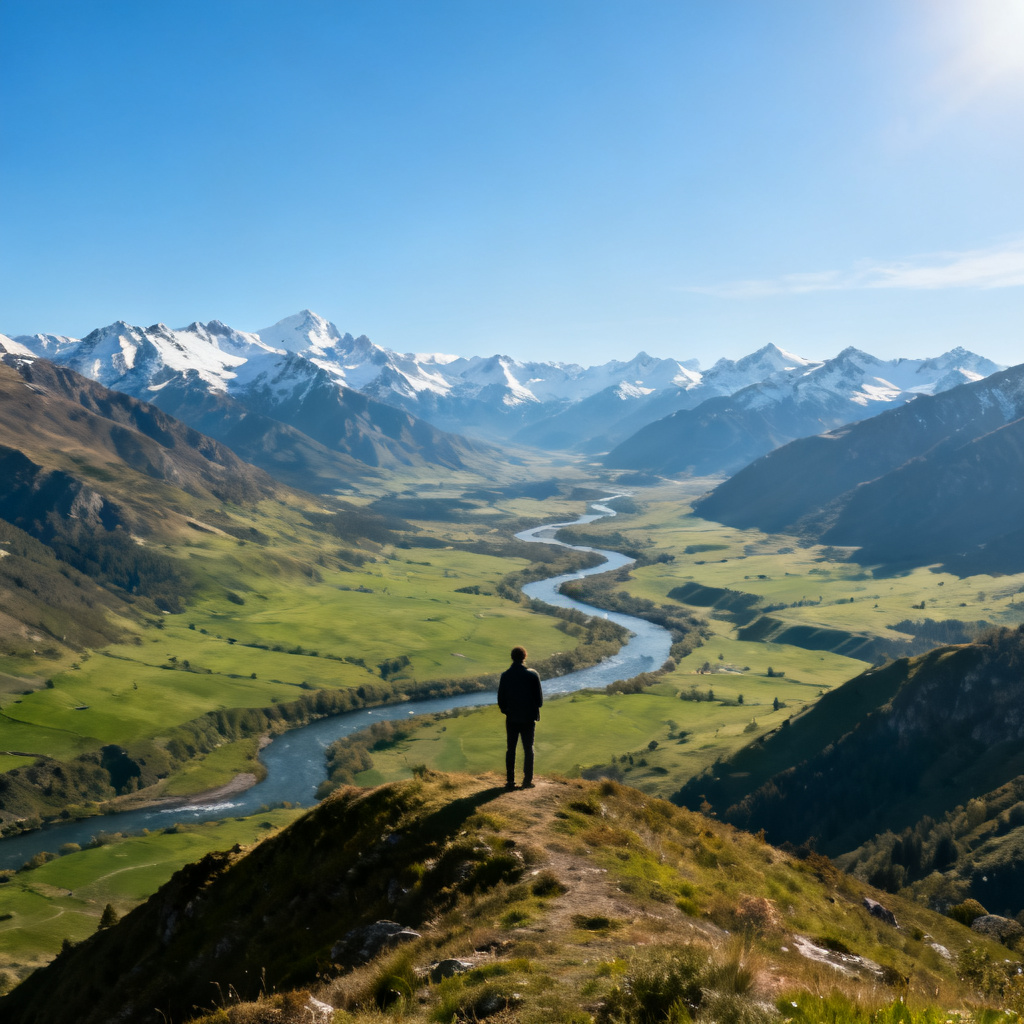
the natural beauty of the outdoors, like mountains, lakes, and forests that you see when you look around.
风景
➕
fēng jǐng
n.
户外的自然风光和景色,比如你旅行时看到的大山、河流、森林和田野。这是指你眼睛看到的大片自然画面。
📘 详细信息与用法拓展
📖 词根拆解
这个词源自希腊语中的“skēnē”,意思是“舞台”或“帐篷”。后来演变成“scena”(拉丁语,指舞台背景),最后变成了“scenery”。所以它的核心是“看到的背景画面”。
💡 联想技巧
谐音‘see呢瑞’。想象你旅游时兴奋地说:‘快来看呢,瑞(瑞:很酷的俚语),这风景(see呢瑞)太美了!’ 把‘看见’和‘美丽景色’联系在一起。
📖 例句
We took the train so we could enjoy the beautiful scenery rolling past the window.
我们坐火车是为了欣赏窗外掠过的美丽风景。
🔗 固定搭配
admire the scenery – 欣赏风景
rural scenery – 乡村风景
magnificent scenery – 壮丽的风景
🔄 同义词
🌱 派生词
scenic (adj.) – 风景优美的
📖 文化故事
想象一下,两千多年前,一个希腊演员站在空旷的舞台上,身后只有一个简陋的小屋道具。他望向观众席,心里想:“要是我身后的背景能变成森林或宫殿该多好,故事就更有说服力了!” 这个强烈的愿望,推动了舞台艺术的发展。几个世纪后,随着人们对自然风光的热爱,“背景”这个词的舞台界限被打破,它大步走进了大自然。这中间经历了怎样的变迁?
含义2:布景 (scenery)
scenery
[ˈsiːnəri]
n.
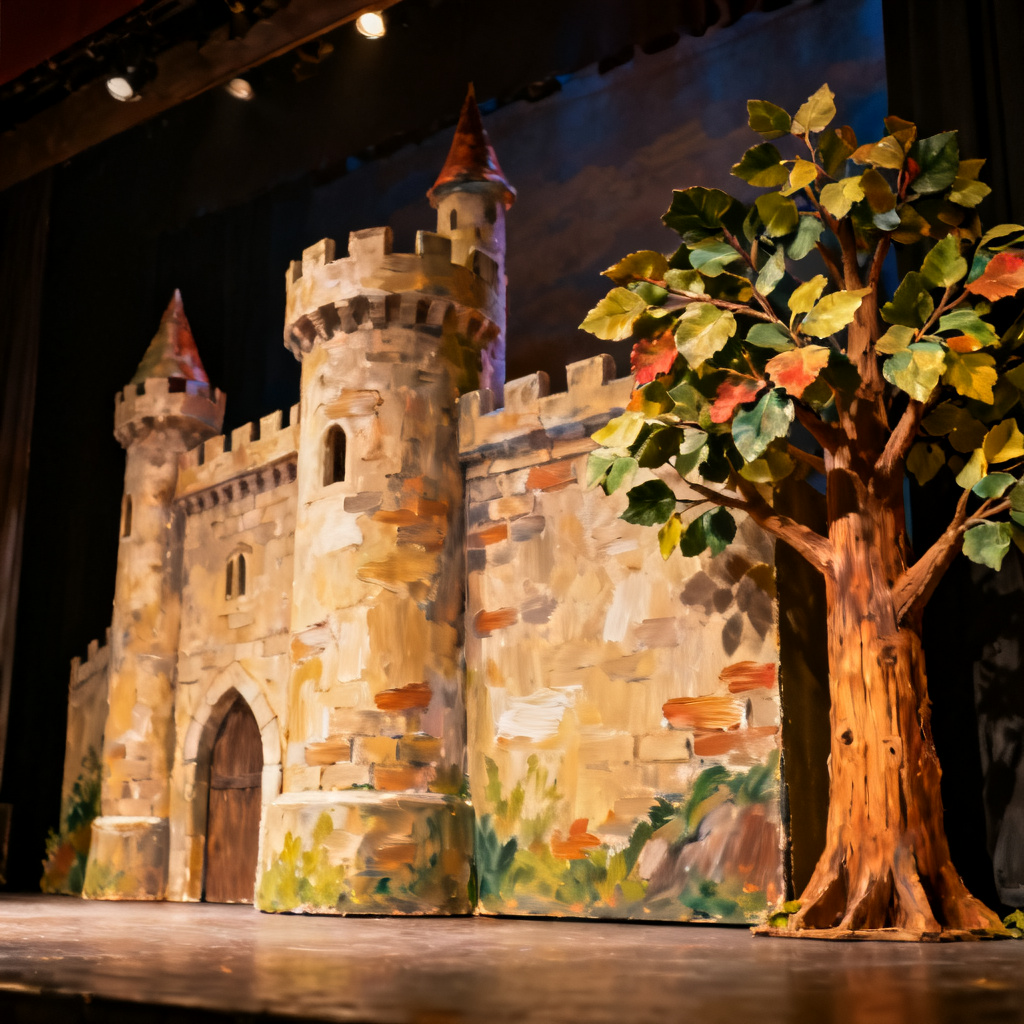
the painted backgrounds and structures used in plays and movies to create a setting for the actors.
布景
➕
bù jǐng
n.
在戏剧、电影或电视节目中,为了表现故事发生的环境(比如森林、客厅、城堡)而在演员后面搭建或绘制的背景。
📘 详细信息与用法拓展
📖 例句
The actor stood in front of a simple painted scenery of a forest while delivering his lines.
演员站在一幅简单的森林手绘布景前念着他的台词。
🔗 固定搭配
change the scenery – 换布景(指戏剧演出中更换舞台背景)
stage scenery – 舞台布景
scenery designer – 布景设计师
🔄 同义词
set (n.) – 布景;场景;更常用于电影或电视,指包括背景、道具在内的整个拍摄环境。
🚫 反义词
real setting (n.) – 真实场景
Wordbook
您的数据已保存在此浏览器中