阅读主题:

rat - 基础词汇详解 (共2个含义)

rat 🔊
/ræt/
n.
A small furry animal with a long tail, often found in cities. It's bigger than a mouse.
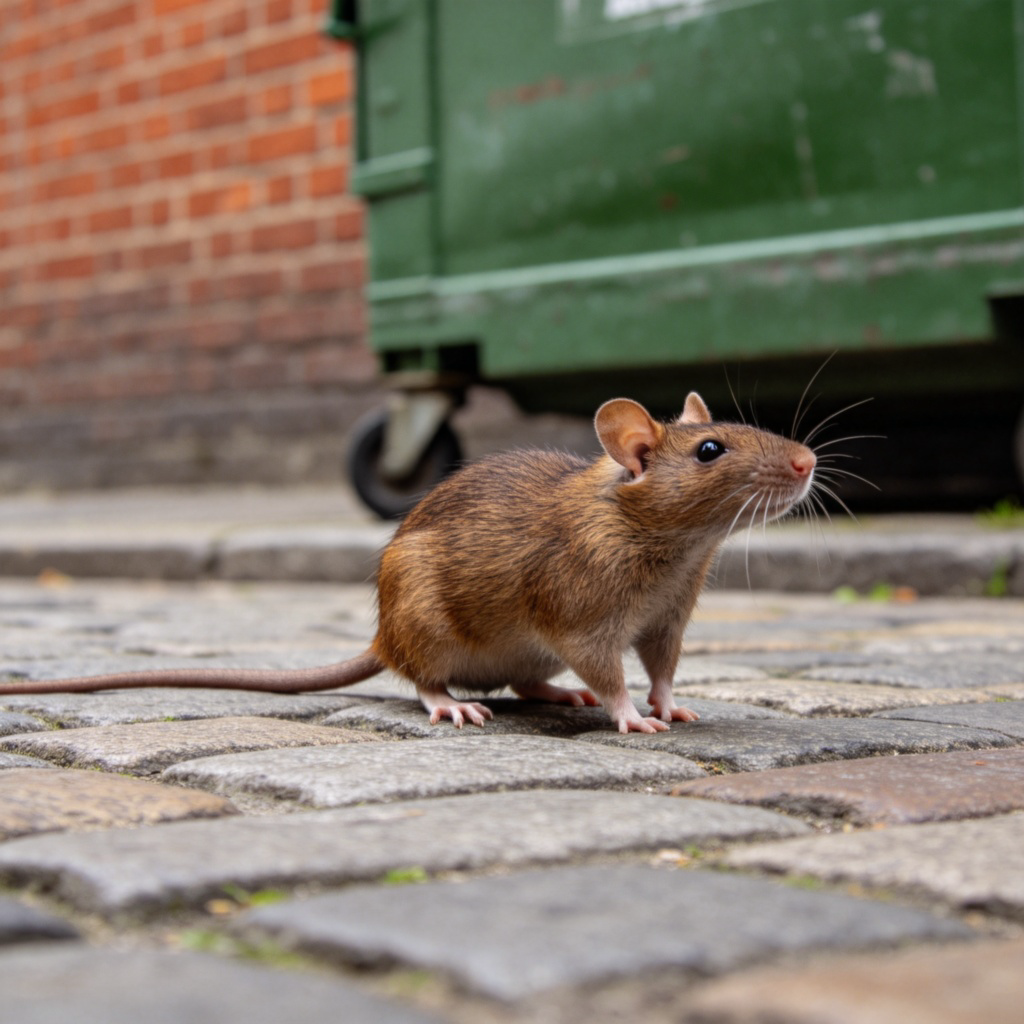
A close-up photograph of a brown rat on a cobblestone street in an urban environment. The rat is clearly visible with its long, hairless tail, pointy nose, and small ears. It is standing still, looking alert. The background is slightly blurred but shows a brick wall and a green metal dustbin. Daylight, realistic detail. No text or logos.
老鼠 🔊
lǎo shǔ
名词
一种哺乳动物,体型比小家鼠(mouse)大,尾巴长,鼻子尖,通常生活在人类居住区附近。
📁 分类:Animal Protection 🔖 等级:初级

📘 详细信息

📖 词根拆解
“Rat”这个单词直接来自古英语“ræt”,更早可以追溯到拉丁语“rodere”,意思是“啃咬”。它没有复杂的词根,但这个名字完美地描述了这种爱啃东西的动物。
💡 联想技巧
想象一只大老鼠“rat”在前面跑,一只猫“cat”在后面追。它们发音押韵(rat-cat),这个画面一下子就让你记住了“rat”是“大老鼠”!
📖 例句
My little brother saw a rat near the dustbin in the park and ran away screaming. 🔊 我弟弟在公园的垃圾桶附近看到一只老鼠,尖叫着跑开了。
🔗 固定搭配
lab rat – 实验室用鼠(常被用于科学实验)
smell a rat – 察觉到不对劲,感觉有诈(习语)
🔄 同义词
mouse (n.) – 家鼠,体型通常比rat小。
🚫 反义词
🌱 派生词
📖 文化故事
在14世纪欧洲的一条阴暗街道上,一场可怕的瘟疫正在蔓延。人们惊恐地指着角落里窜过的黑影,将所有罪责都归咎于这些长尾巴的生物。然而,几个世纪后,真相才被揭示--真正的凶手,是它们身上跳蚤携带的细菌,而不是老鼠本身。这个误会,让“rat”在西方文化中背上了数百年的坏名声。
rat 🔊
/ræt/
n.
A person who tells secrets about their friends to authorities, like a traitor.

A stylized illustration of a person wearing a hoodie, shown from behind, peeking through a cracked door into a brightly lit room. The person holds a mobile phone to their ear, as if whispering. The scene is shady and secretive. Simple, graphic art style with high contrast. No text or identifiable faces.
告密者 🔊
gào mì zhě
名词
指背叛朋友或团队,向权威人士(如老师、警察、老板)告密或出卖秘密的人。这是一个非常负面的称呼。
📁 分类:Behaviors & Actions 🔖 等级:中级

📘 详细信息

📖 例句
Someone ratted on us to the teacher about the surprise party, so it's not a secret anymore. 🔊 有人向老师告密了我们策划惊喜派对的事,所以现在不再是秘密了。
🔗 固定搭配
rat on someone – 告发某人,出卖某人
dirty rat – 卑鄙的小人(强烈的侮辱语)
🔄 同义词
informant (n.) – 线人,提供信息的人(较正式,不一定含强烈负面色彩)。
snitch (n.) – 告密者(口语,与rat的负面程度相当)。
🚫 反义词
ally (n.) – 盟友,同盟者
🌱 派生词
ratty (adj.) – 像老鼠的;破旧的,邋遢的
Wordbook
字体色:
背景色:
您的数据已保存在此浏览器中