阅读主题:
presuppose 用法解析:含义、例句与常见错误 (共2个含义)
含义1:预设前提 (presuppose)
presuppose
[ˌpriːsəˈpəʊz]
vt.
It means that one thing must be true for another thing to be true or make sense.
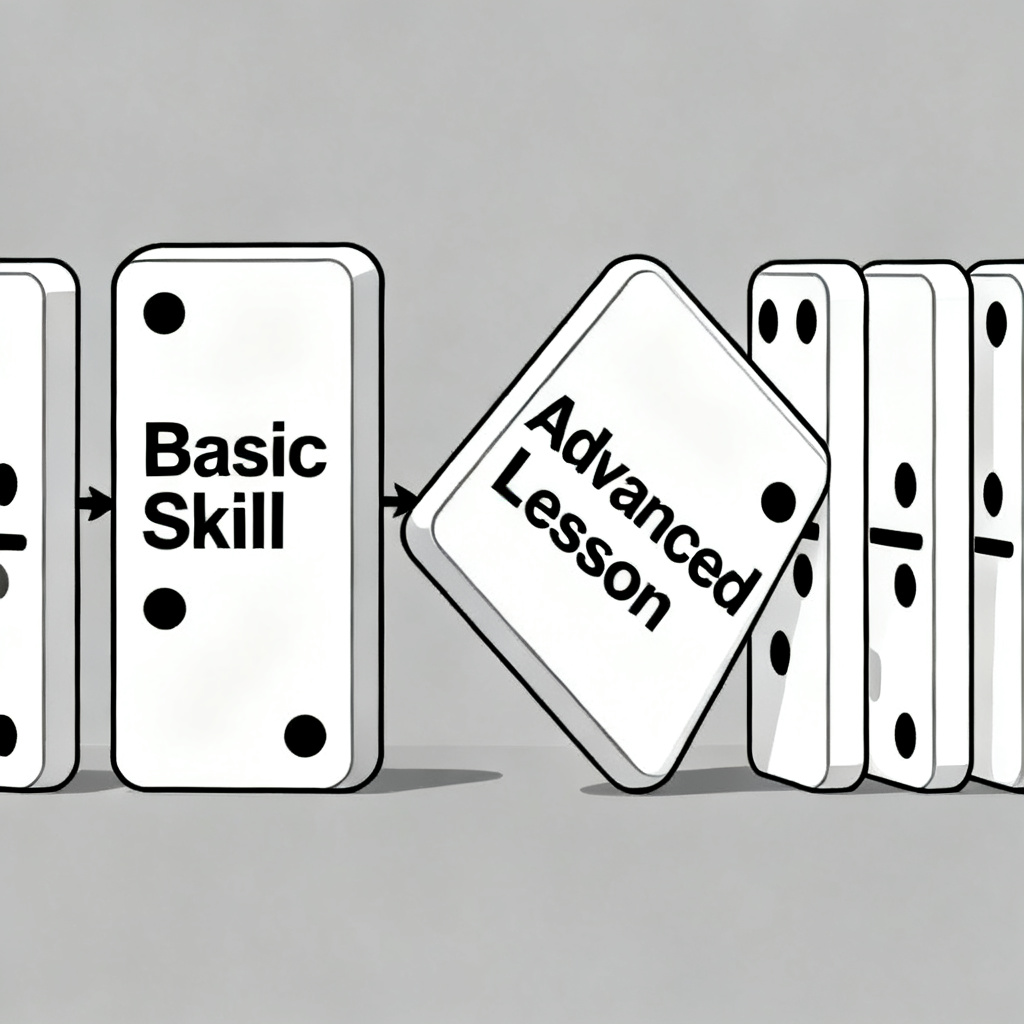
预设前提
➕
yù shè qián tí
vt.
指一件事(A)要想成立、被理解或者有意义,必须先以另一件事(B)为真作为基础。B是A发生的“隐形门票”或“默认设置”。
📘 详细信息与用法拓展
📖 词根拆解
这个词由两部分组成:前缀 'pre-' 意思是 '在...之前','suppose' 意思是 '假设'。合起来就是 '在事情发生之前就假设好了',即 '预先假设'。
💡 联想技巧
联想谐音:'pree-suppose'。就像是你在做任何事情之前(pre),心里已经有一个‘预设’(suppose)的想法了。记住'事先的假设'这个画面。
📖 例句
A good research proposal must presuppose that its chosen methodology can actually answer the research questions.
一份好的研究计划书必须预设其选用的研究方法能够真正回答研究问题。
🔗 固定搭配
presuppose the existence of – 预设...的存在
presuppose that... – 预设/假定...
🚫 反义词
prove (vt.) – 证明
demonstrate (vt.) – 论证,展示
🌱 派生词
presupposition (n.) – 预设,前提
📖 文化故事
想象一场激烈的哲学辩论。一方脱口而出的论点,像一颗子弹射向对手。但对手突然举手叫停:“等等!你的整个论点,都建立在一个我从未同意的、隐形的基石上!”辩论瞬间僵住。这个隐形的基石是什么?它又是否稳固?'Presuppose' 这个词,就诞生于这种对“未言明的前提”的警觉与追问之中。
含义2:隐含假设 (presuppose)
presuppose
[ˌpriːsəˈpəʊz]
vt.
It means to quietly believe something is true before you even start thinking or talking about it.

隐含假设
➕
yǐn hán jiǎ shè
vt.
指一个人在心里、没说出来就默认某件事是真实的,并基于这个默认的想法去思考、说话或行动。
📘 详细信息与用法拓展
📖 例句
When you make plans to hike this weekend, you presuppose that the weather will be nice, even though you haven't checked the forecast yet.
当你计划这个周末去徒步时,你心里已经隐含假设天气会很好,尽管你还没查看天气预报。
🔗 固定搭配
presuppose mutual trust – 隐含假设了彼此信任
🔄 同义词
take for granted (phrase) – 认为…理所当然
🌱 派生词
presupposition (n.) – 假设,预设
Wordbook
您的数据已保存在此浏览器中