阅读主题:
名词 (Noun) 用法详解与常见错误
含义1:名词 (noun)
noun
/naʊn/
n.
A word that names a person, place, thing, or idea. It's the 'name' of something.
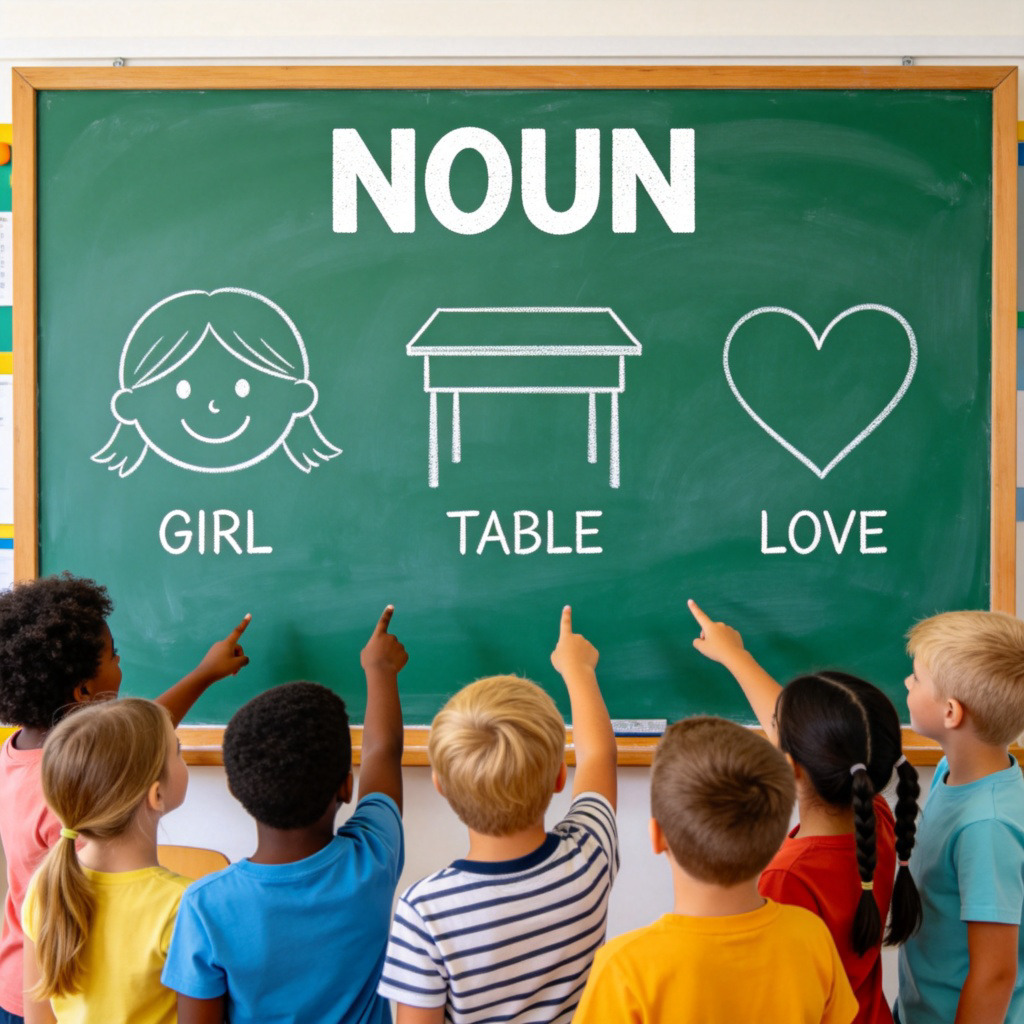
名词
➕
míng cí
n.
一种词性,用来给所有东西起‘名字’。这个‘东西’可以是你看得见的(人、动物、地方、物品),也可以是你看不见的(一种品质、一个想法、一个动作)。它通常是句子中执行动作或被动作影响的主体。
📘 详细信息与用法拓展
📖 词根拆解
来自拉丁语 ‘nomen’,意思是‘名字’。所以‘noun’其实就是‘名字’这个词本身。
💡 联想技巧
谐音‘闹呢?’。想象老师在吵闹的教室点名:‘张三!’ ‘李四!’‘王五!’--每个被点到的名字,都是一个名词。‘名字’(name)就是名词(noun)的核心。
📖 例句
While learning English, the child first pointed to the red apple on the table, then ran to the park swing, her face full of joy - 'apple', 'swing', and 'joy' are all nouns.
在学习英语时,孩子先指着桌上的红苹果,然后跑向公园的秋千,脸上充满了快乐--‘苹果’、‘秋千’和‘快乐’都是名词。
🔗 固定搭配
common noun – 普通名词(指一类事物,如 city, dog)
proper noun – 专有名词(指特定的人或地,首字母大写,如 London, Mary)
🔄 同义词
name (n.) – 名字,名称。在非语法讨论中,常可互换,但‘noun’是语法术语。
🌱 派生词
nominal (adj.) – 名义上的;名词性的
📖 文化故事
想象一下,在语言诞生之初,人们指着身边的一切,急切地需要一个声音来代表它们。一棵树、一块石头、一个部落首领……每个事物都需要一个标签。那些最早敢于为事物‘命名’的人,不仅创造了词汇,更是在混乱中建立了秩序。**名词,就是这样一场远古世界最伟大的‘命名’运动留下的遗产。**
Wordbook
您的数据已保存在此浏览器中