阅读主题:

moon - 基础词汇详解 (共2个含义)

moon 🔊
/muːn/
n.
The natural object that goes around the Earth at night.
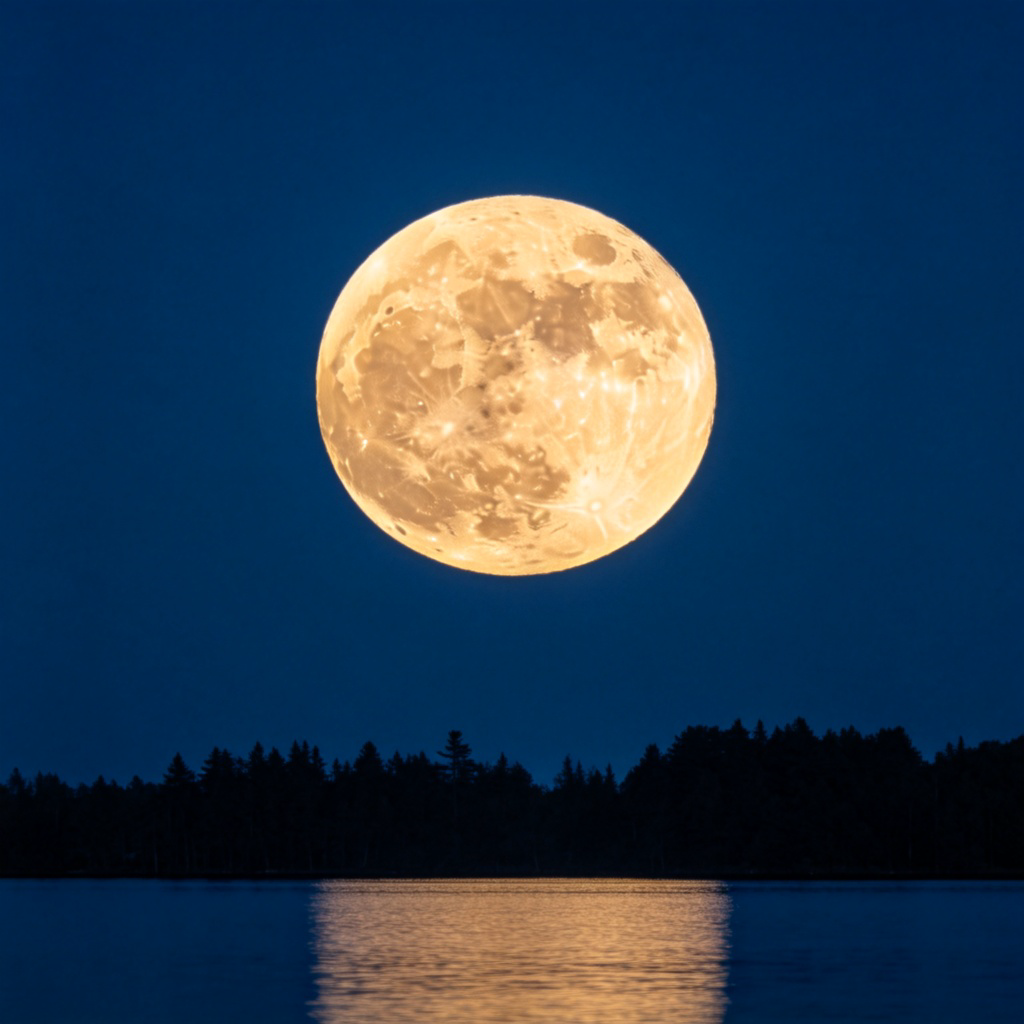
A clear night sky with a large, bright, and full moon shining alone. The moon shows its characteristic craters and plains (maria). Below, a simple silhouette of treetops or a calm lake reflects the moonlight. Realistic photography style, deep blue night sky, sharp focus on the moon. No text.
月亮 🔊
yuè liang
名词
指夜晚天空中看到的,围绕地球旋转的那个会发光的圆形天体。它本身不发光,它的光是反射太阳的光。
📁 分类:Space Exploration 🔖 等级:初级

📘 详细信息

📖 词根拆解
这个词来自非常古老的英语,和表示‘月份’的词‘month’有亲戚关系。因为月亮圆缺变化一周的时间,差不多就是一个月。
💡 联想技巧
谐音‘暮嗯’:傍晚(暮)时分,你抬头看见它,忍不住发出‘嗯’的感叹。这就是‘月亮’。
📖 例句
We sat by the lake and watched the moon cast a silvery path across the water. 🔊 我们坐在湖边,看着月亮在水面上投下一条银色的道路。
🔗 固定搭配
full moon – 满月,月亮看起来是完整的圆形。
new moon – 新月,月亮看起来是黑暗的,几乎看不见。
🔄 同义词
satellite (n.) – 卫星。月亮是地球的‘天然卫星’,但‘satellite’通常也指人造卫星。
🚫 反义词
sun (n.) – 太阳。一个在白天出现,一个主要在夜晚出现。
🌱 派生词
moonlight (n.) – 月光
lunar (adj.) – 月亮的,与月亮有关的
📖 文化故事
想象一下,在没有电灯的古代夜晚,人们抬头看着天上那个不断变化形状的发光圆盘。它为什么时圆时缺?为什么能挂在天上不掉下来?这种神秘感催生了无数故事,从嫦娥飞到月亮上居住,到狼人在满月时变身,月亮一直是人类想象力和文化的核心。
moon 🔊
/muːn/
n.
To be absent-minded and not paying attention to what is happening around you.
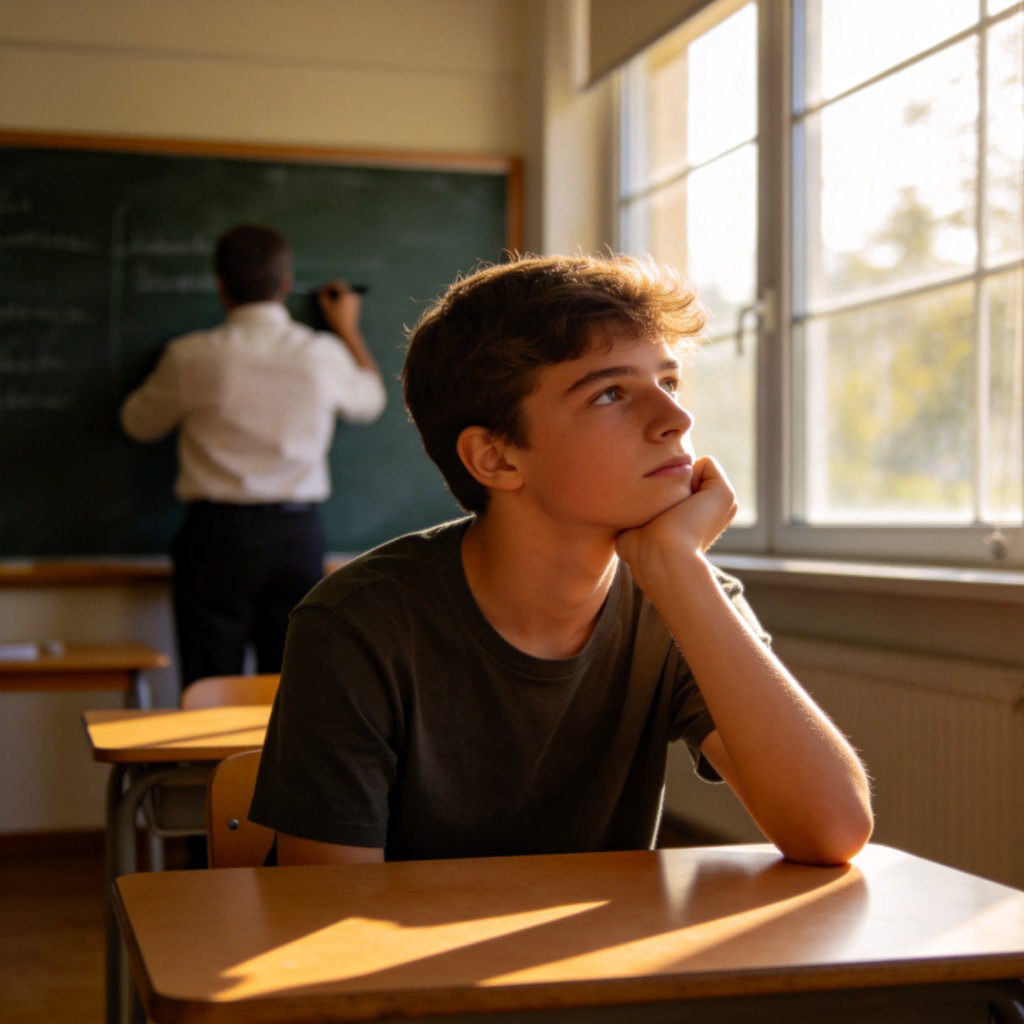
A student sitting at a classroom desk, chin resting in hand, gazing blankly out a sunlit window while the teacher writes on a blackboard in the slightly blurred background. The student's expression is distant and unfocused. Realistic style, natural lighting, emphasis on the student's thoughtful pose and distant gaze. No text.
走神 🔊
zǒu shén
名词
作动词用,指一个人发呆、心不在焉的样子,好像心思已经飘到月亮上去了,没有注意眼前正在发生的事情。
📁 分类:Behaviors & Actions 🔖 等级:中级

📘 详细信息

📖 例句
Stop mooning out of the window and pay attention to the teacher! 🔊 别望着窗外发呆了,认真听老师讲课!
🔗 固定搭配
moon over – 因为思念(某人)而显得恍惚、发呆。
🔄 同义词
daydream (v.) – 做白日梦,幻想。
🚫 反义词
focus (v.) – 集中注意力。
🌱 派生词
moony (adj.) – 恍惚的,发呆的
Wordbook
字体色:
背景色:
您的数据已保存在此浏览器中