阅读主题:
mimic 含义详解:模仿、模仿者、模仿性用法 (共3个含义)
含义1:模仿 (mimic)
mimic
[ˈmɪmɪk]
vt./n./adj.
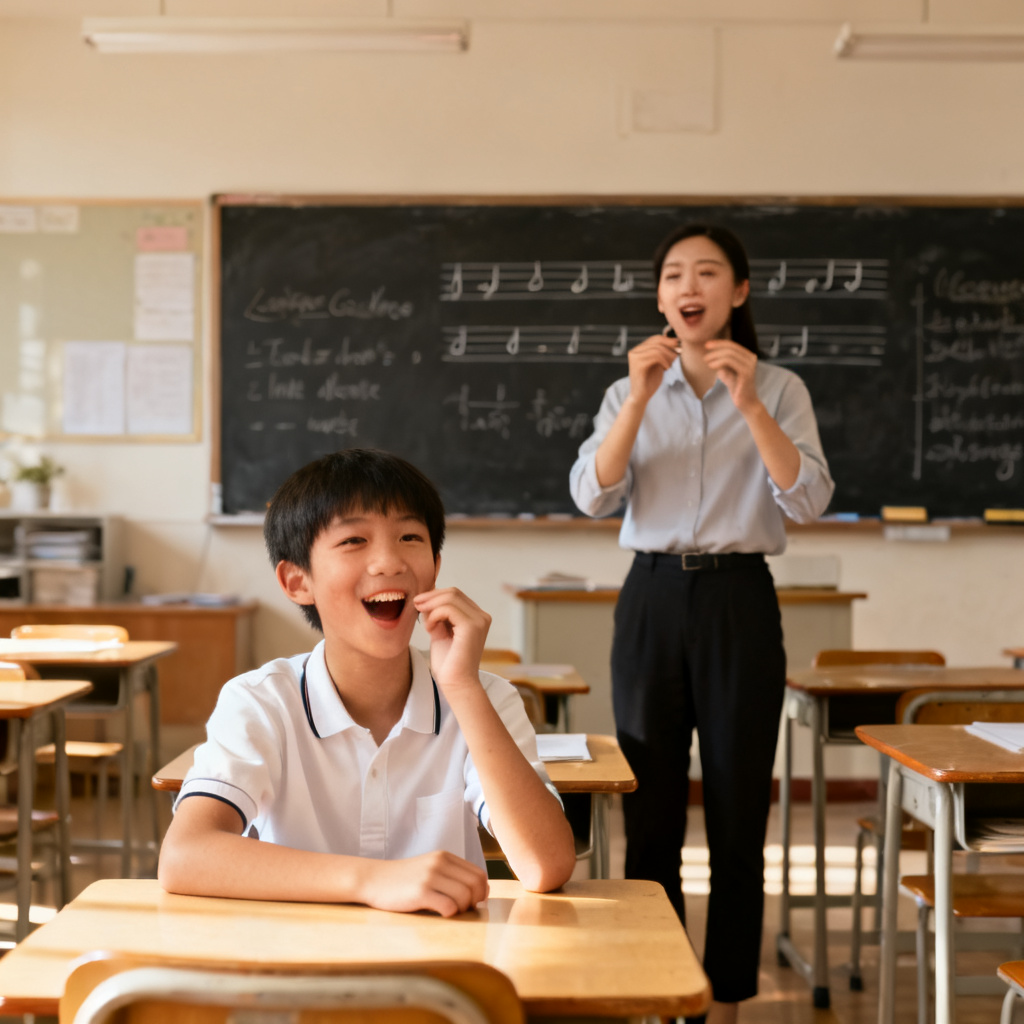
To copy the way someone talks, moves, or behaves, often to be funny or to learn.
模仿
➕
mó fǎng
vt./n./adj.
指有意识地、详细地模仿别人的说话方式、动作、表情或行为,通常是出于好玩或者是为了学习。比如学朋友的搞笑口音,或者婴儿学大人走路。
📘 详细信息与用法拓展
📖 词根拆解
这个词来源于希腊语‘mimos’,就是‘模仿者’或‘喜剧演员’的意思。没有复杂的词根组合,从古至今,它的核心就是‘模仿’这个动作。
💡 联想技巧
谐音‘秘密客’。一个‘秘密客’为了不暴露自己,会偷偷地**模仿**周围人的行为举止。记住这个‘秘密的模仿者’。
📖 例句
To improve her English pronunciation, she would carefully mimic the intonation of her favorite podcast host.
为了提高英语发音,她会仔细模仿她最喜欢播客主播的语调。
🔗 固定搭配
mimic someone's voice – 模仿某人的声音
mimic the style of – 模仿……的风格
🚫 反义词
originate (vt.) – 原创,创造(新事物)
🌱 派生词
mimicry (n.) – 模仿;拟态
📖 文化故事
想象一下,在一个古老的市场里,一个演员没有华丽的道具和台词,仅凭他模仿商贩、官员和醉汉的一举一动,就让整条街的人捧腹大笑。他的表演,最终演变成了一种独特的戏剧形式。这种靠纯粹模仿来表演的艺术,就是‘mimic’最初的舞台。
含义2:模仿者 (mimic)
mimic
[ˈmɪmɪk]
vt./n./adj.
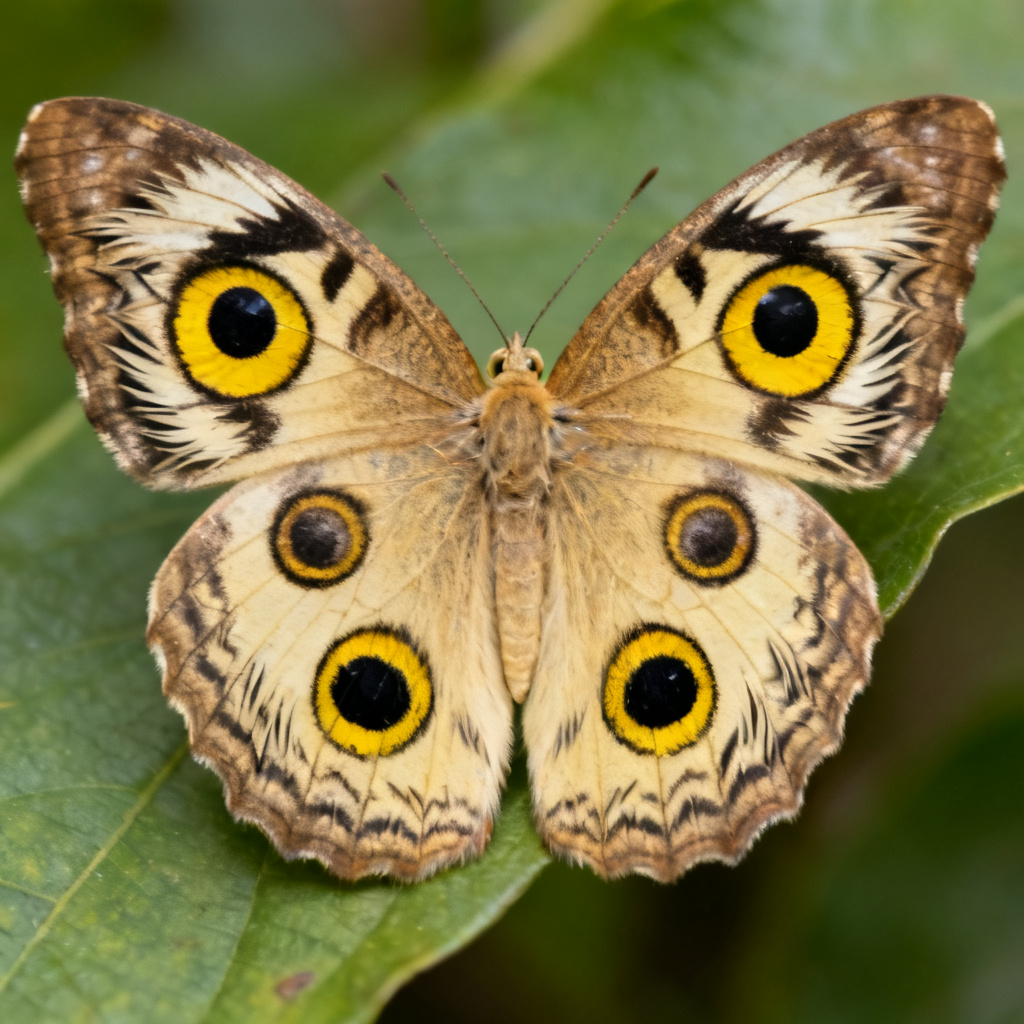
A person or animal that is very good at copying others, especially their speech or actions.
模仿者
➕
mó fǎng zhě
vt./n./adj.
指天生就非常善于模仿别人或别的事物的人或动物。比如,鹦鹉因为能学人说话,常被称为‘a good mimic’。
📘 详细信息与用法拓展
📖 例句
The parrot in the zoo is a fantastic mimic, perfectly copying the sounds of mobile phone ringtones and human laughter.
动物园里的那只鹦鹉是个出色的模仿者,能完美复制手机铃声和人类的笑声。
🔗 固定搭配
a gifted mimic – 有天赋的模仿者
a talented mimic – 才华横溢的模仿者
🔄 同义词
impersonator (n.) – 模仿者(尤指模仿名人)
copycat (n.) – 模仿者(常带贬义,指盲目跟风的人)
含义3:模仿性的 (mimic)
mimic
[ˈmɪmɪk]
vt./n./adj.
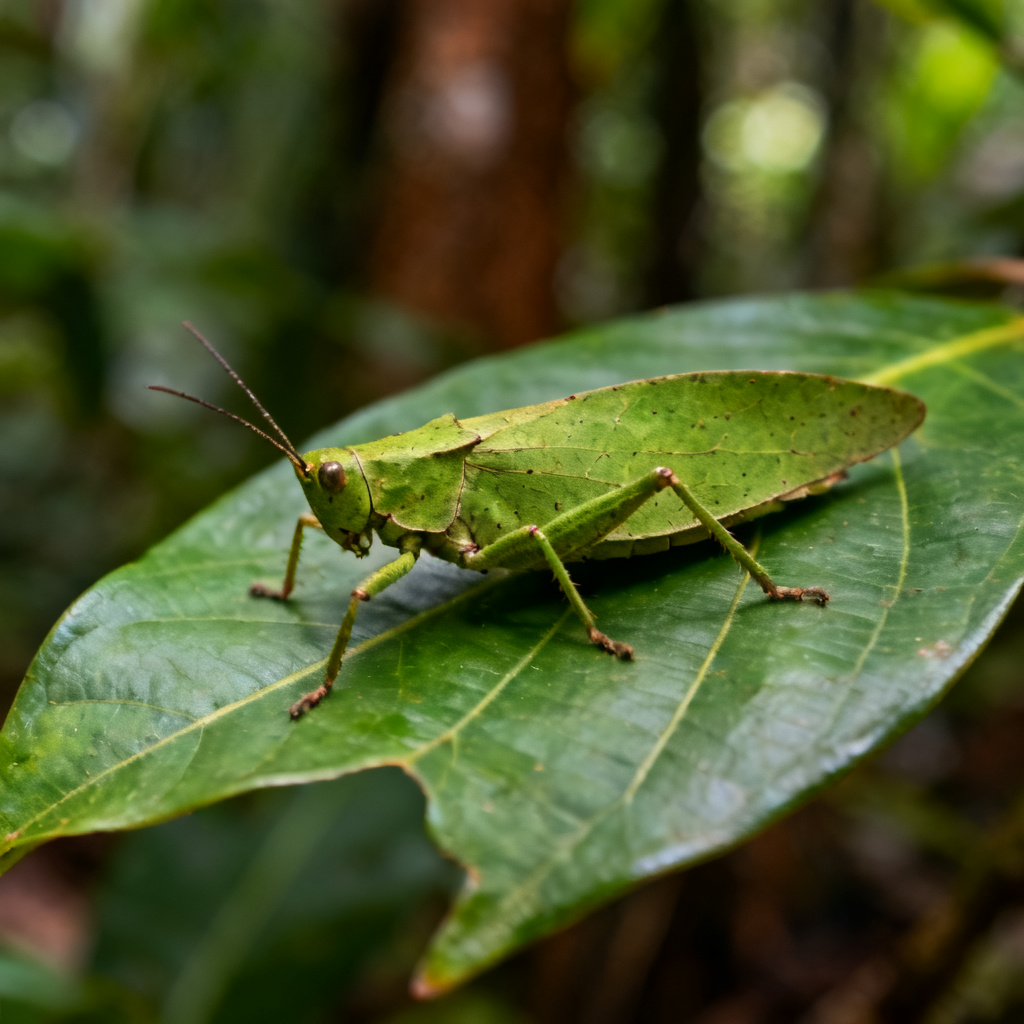
Describing something that looks very similar to another thing, often for protection, but is not actually that thing.
模仿性的
➕
mó fǎng xìng de
vt./n./adj.
用作形容词,描述某个东西(比如动物或植物)的外表、颜色或图案看起来和别的东西一样,但这并不是真的,而是一种伪装或保护。比如,有些蝴蝶的翅膀图案模仿枯叶。
Wordbook
您的数据已保存在此浏览器中