阅读主题:
hopefully 的用法与常见错误
含义1:希望 (hopefully)
hopefully
/ˈhəʊpfəli/
adv.
Used to show that you want something to happen or that you think it is likely.
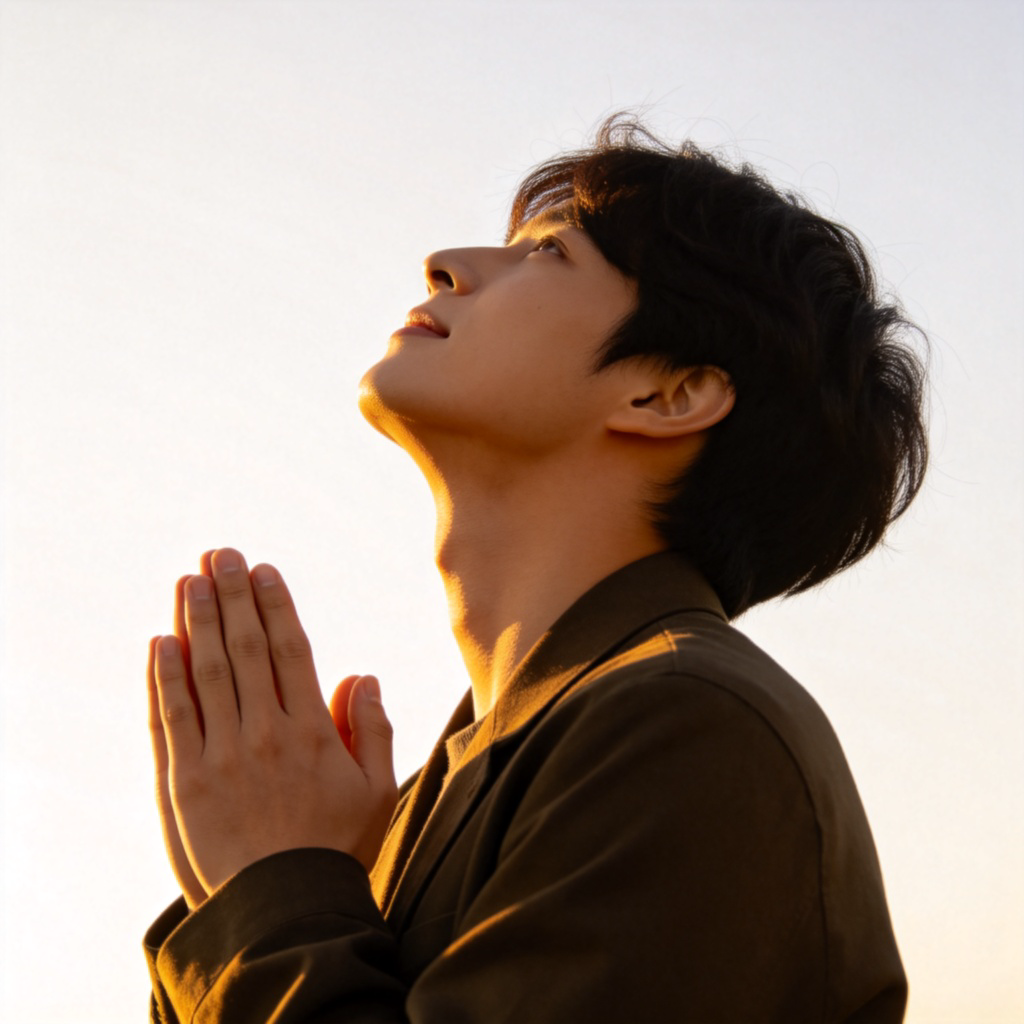
希望
➕
xī wàng
adv.
用作“句子副词”,用来表达说话者对某件事发生的期望或愿望。它就像一个“小愿望”的标志,常放在句子开头。
📘 详细信息与用法拓展
📖 词根拆解
这个词由名词 'hope' (希望) 加后缀 '-ful' 变成形容词 'hopeful' (充满希望的),再加 '-ly' 变成副词 'hopefully'。
💡 联想技巧
谐音联想:“猴扑飞鲤”。想象一只猴子(hopefully 里的“hope”)满怀希望地扑向(扑)一条会飞的鲤鱼(飞鲤),希望能抓住它。这个画面就代表“怀着希望地”去做某事。
📖 例句
Hopefully, I did well on the test and can relax this weekend.
希望我这次考试考得不错,这样周末就能放松一下了。
🔗 固定搭配
hopefully so – 希望如此
more hopefully – 更满怀希望地
look hopefully at – 满怀希望地看着
🚫 反义词
unfortunately (adv.) – 不幸的是,用于引出不好的事实。
🌱 派生词
hopeful (adj.) – 有希望的,充满希望的
hopefulness (n.) – 充满希望的状态
📖 文化故事
想象一下,几百年前,一群古板的语法学家正襟危坐,他们只允许“hopefully”表示“以充满希望的方式”。比如一个人满怀希望地歌唱。但大众的语言可不管这些规矩,人们开始把它放在句子开头,来表达一个共同的愿望。这引起了一场“语法战争”,守旧派激烈反对,认为这破坏了语言的纯粹性。那么,大众的口语习惯,最终能战胜古老的规定吗?
Wordbook
您的数据已保存在此浏览器中