阅读主题:
asymmetry 是什么意思?用法与例句详解 (共2个含义)
含义1:不对称 (asymmetry)
asymmetry
[ˌeɪˈsɪmətri]
n.
When two sides or parts of something are not the same in size, shape, or position.

不对称
➕
bú duì chèn
n.
指一个东西的左右两边或各个部分在大小、形状或位置上不相等、不平衡,没有形成镜像或规则的比例。
📘 详细信息与用法拓展
📖 词根拆解
'a-' 表示 '没有','symmetry' 表示 '对称'。合起来就是 '没有对称'。
💡 联想技巧
谐音联想:'阿三没退'。想象两个阿三在拔河,一个人力量没退步,另一个人退步了,结果两边力量不平衡,场面就 '不对称'(asymmetry)了。
📖 例句
The modern architect designed a building with deliberate asymmetry, where the left wing was much taller and narrower than the right.
这位现代建筑师设计了一座刻意不对称的建筑,它的左翼比右翼高得多、也窄得多。
🔗 固定搭配
marked asymmetry – 明显的不对称
striking asymmetry – 引人注目的不对称
🔄 同义词
imbalance (n.) – 不平衡,指力量、重要性或数量上的不均等。
lopsidedness (n.) – 向一边倾斜,通常指由于不平衡导致的一边重一边轻的状态。
🌱 派生词
asymmetric (adj.) – 不对称的
📖 文化故事
想象一下古希腊的悲剧面具:它的一边眉毛扬起,嘴角下垂,表情极度悲伤;而另一边表情却相对平静。戏剧家就是用这种脸谱化的强烈对比,让后排观众也能感受到角色的痛苦。那不对称的表情,正是传递复杂情感的秘诀。
含义2:不对称性 (asymmetry)
asymmetry
[ˌeɪˈsɪmətri]
n.
A common feature in nature where the two sides of a living thing are not exactly the same.
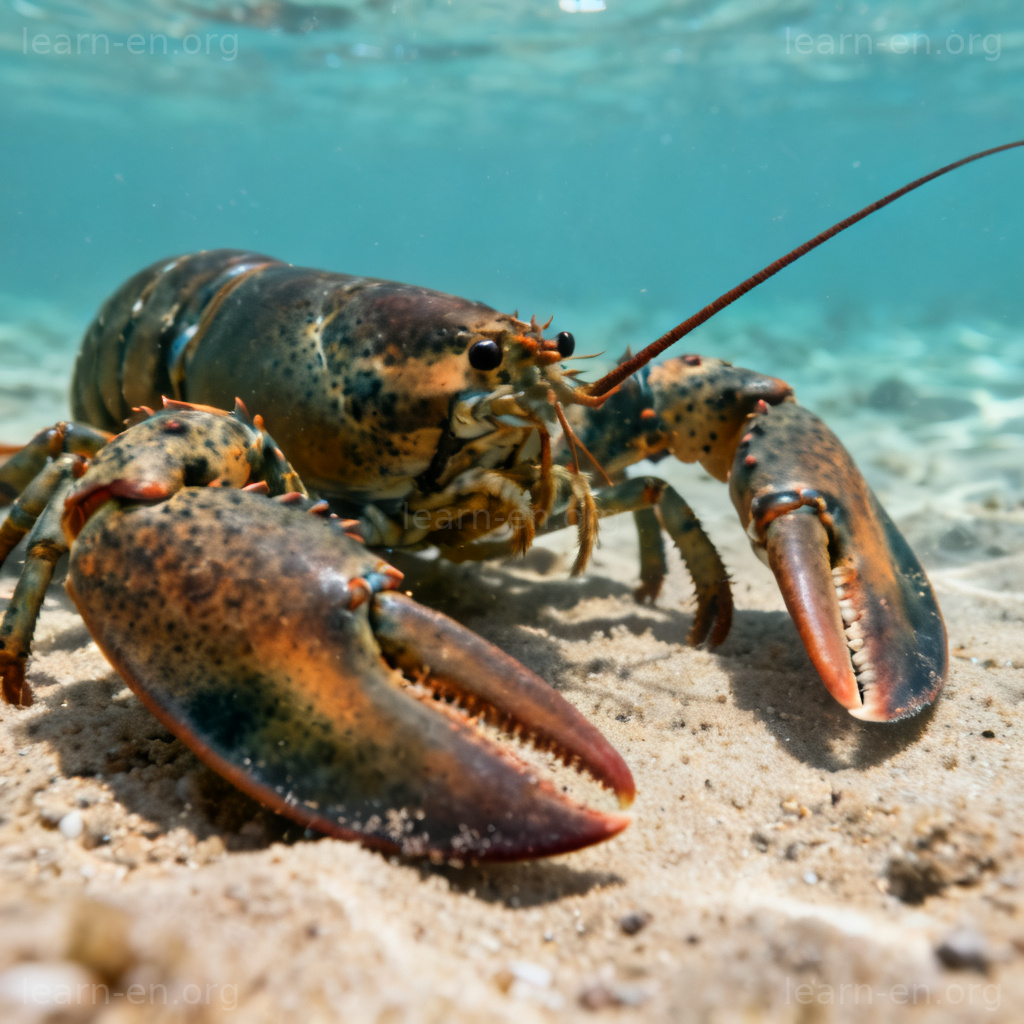
不对称性
➕
bú duì chèn xìng
n.
指在生物学或自然界中,生物体的左右两侧或结构不完全相同,这是一种常见的自然特征,并非缺陷。
📘 详细信息与用法拓展
📖 例句
In some species of lobsters, claw asymmetry is normal, with one claw being much larger and used for crushing, while the smaller one is for cutting.
在某些龙虾种类中,钳子的不对称性是正常的,一只钳子大得多用于碾碎,而较小的那只用于切割。
🔗 固定搭配
facial asymmetry – 面部不对称性
🔄 同义词
irregularity (n.) – 不规则,指不符合通常的模式或形状。
Wordbook
您的数据已保存在此浏览器中