テーマ:
transportation(交通機関)の意味と使い方を例文で解説 (2 意味)
意味 1:交通機関 (transportation)
transportation
/ˌtrænspərˈteɪʃən/
n.
All the systems and vehicles that move people and things, like buses, trains, and planes.
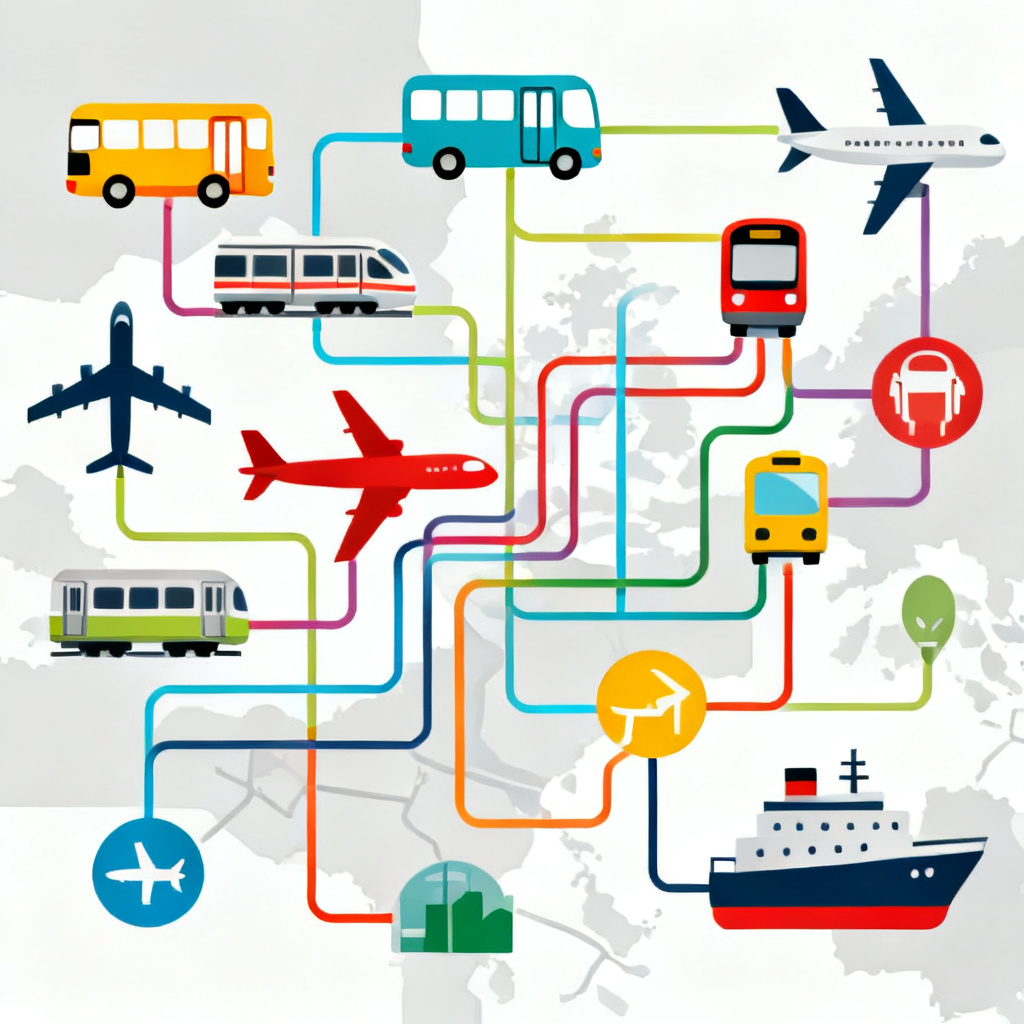
交通機関
➕
こうつうきかん
n.
人や物を移動させるためのシステムや乗り物の総称。バス、電車、飛行機などを含む。
📘 詳細と使い方
📖 語根解説
「trans(越えて)+port(運ぶ)+ation(名詞化)」から成る。物や人をある場所から別の場所へ運ぶことを意味する。
💡 記憶法
「トラ」ックで「ポー」ト(港)から物を「運」ぶイメージ。「transport」+「ation」で覚える。
📖 例文
The city is investing in eco-friendly public transportation to reduce traffic jams and pollution.
その都市は、交通渋滞と汚染を減らすために、環境に優しい公共交通機関に投資している。
🔗 コロケーション
public transportation – 公共交通機関
transportation system – 交通システム
transportation hub – 交通拠点
🌱 派生語
transport (v./n.) – 輸送する/輸送
transporter (n.) – 運送業者、運搬装置
📖 文化的背景
ラテン語の「transportare」に由来。中世後期にフランス語を経て英語に入り、交通手段や輸送行為の総称として発展した。
意味 2:輸送 (transportation)
transportation
/ˌtrænspərˈteɪʃən/
n.
The act of moving something or someone from one place to another.

輸送
➕
ゆそう
n.
物品や人をある場所から別の場所へ移動させる行為や過程。
📘 詳細と使い方
📖 例文
The quick transportation of fresh fruits from farms to supermarkets is key to keeping them tasty.
農場からスーパーへの生鮮果物の迅速な輸送が、その美味しさを保つ鍵である。
🔗 コロケーション
transportation of goods – 物品の輸送
transportation costs – 輸送コスト
transportation network – 輸送網
🔄 類義語
shipment (n.) – 特に商品の大量輸送や出荷を指す。
conveyance (n.) – 法的・正式な文脈での運搬・輸送。
単語帳
データはこのブラウザに保存されています