テーマ:
molecule - 英语词汇详解
意味 1:分子 (molecule)
molecule
/ˈmɒlɪkjuːl/
n.
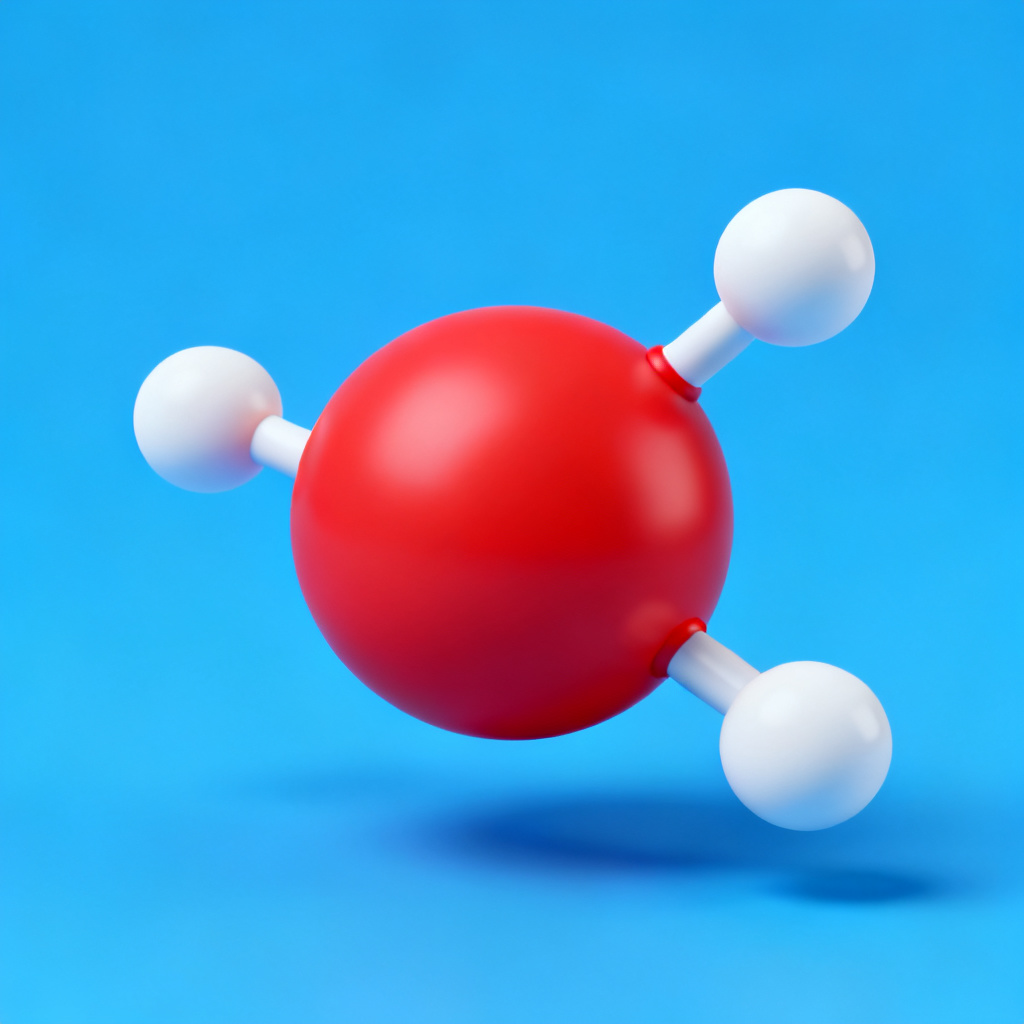
The smallest part of a substance, made up of two or more atoms joined together. It's like the tiniest building block that keeps the substance's properties.
分子
➕
ぶんし
n.
物質の化学的性質を保持する最小の粒子。2つ以上の原子が結合してできており、化学反応の基本単位となる。
📘 詳細と使い方
📖 語根解説
ラテン語の「moles」(質量)と指小辞「-culus」に由来し、「小さな質量」を意味する。
💡 記憶法
「モル」の小さな粒をイメージ。原子が集まってできる塊が「分子」と覚えよう。
📖 例文
A molecule of water is made from just two hydrogen atoms and one oxygen atom.
水の分子は、たった2つの水素原子と1つの酸素原子からできています。
🔗 コロケーション
water molecule – 水分子
organic molecule – 有機分子
molecule structure – 分子構造
🚫 対義語
atom (n.) – 分子を構成する個々の元素の最小単位。分子よりさらに小さい。
🌱 派生語
📖 文化的背景
19世紀初頭、アボガドロが気体反応の研究から分子の概念を確立。現代では「分子生物学」など研究の基本単位として使われる。
単語帳
データはこのブラウザに保存されています