テーマ:
generationの意味と使い方 – 世代と生成の違い (2 意味)
意味 1:世代 (generation)
generation
/ˌdʒenəˈreɪʃən/
n.
A group of people born and living at about the same time, like your grandparents, parents, or you and your friends.

世代
➕
せだい
n.
同じ時代に生まれ、共に生きる人々の集まり。例えば祖父母、親、自分たちの世代。
📘 詳細と使い方
📖 語根解説
ラテン語「generare」(生み出す)と「-ation」(行為)からなる。
💡 記憶法
「世代」はgeneration gap、「生成」はgenerateから連想。
📖 例文
My grandmother and her siblings all share similar life experiences because they belong to the same generation.
私の祖母とその兄弟姉妹は同じ世代に属しているため、似たような人生経験を共有しています。
🔗 コロケーション
the younger generation – 若い世代
generation gap – 世代間ギャップ
first generation – 第一世代
🌱 派生語
generational (adj.) – 世代の
generation gap (n.) – 世代間ギャップ
📖 文化的背景
元々はラテン語「generatio」で「生殖」を意味した。16世紀に英語に入り、後に「同時代に生まれた人々」という意味が加わった。また、電力などの「生成」も同根である。
意味 2:生成 (generation)
generation
/ˌdʒenəˈreɪʃən/
n.
The process of making or producing something, like electricity or an idea.
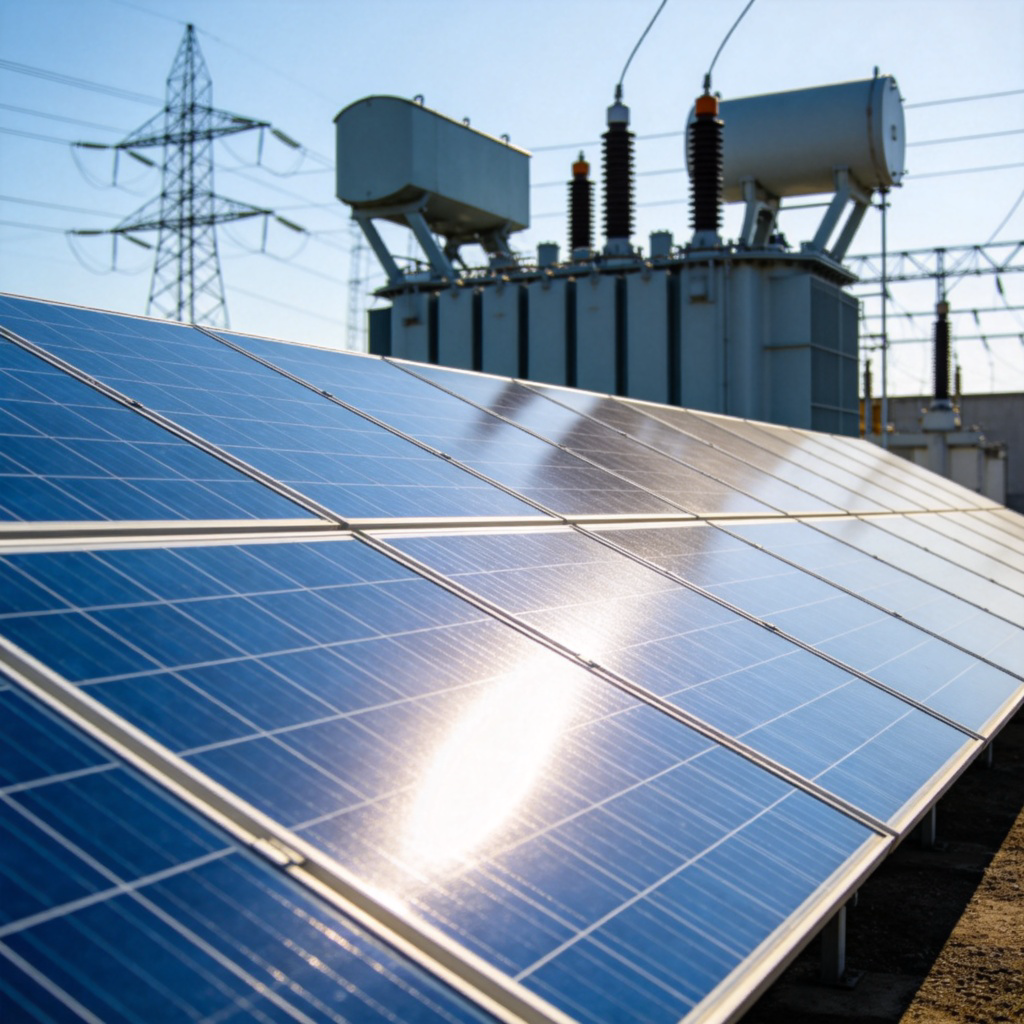
生成
➕
せいせい
n.
電気やアイデアなど、何かを作り出す過程や行為。
📘 詳細と使い方
📖 例文
The new solar panels on our roof are responsible for the generation of all our household electricity.
屋根の新しいソーラーパネルは、家庭の全電力を生成しています。
🔗 コロケーション
power generation – 発電
idea generation – アイデア生成
content generation – コンテンツ生成
🔄 類義語
production (n.) – 生産、製造
creation (n.) – 創造
🚫 対義語
consumption (n.) – 消費
🌱 派生語
単語帳
データはこのブラウザに保存されています