テーマ:
artefact(アルティファクト)の意味と用法 (2 意味)
意味 1:人工産物 (artefact)
artefact
/ˈɑːrtɪfækt/
n.
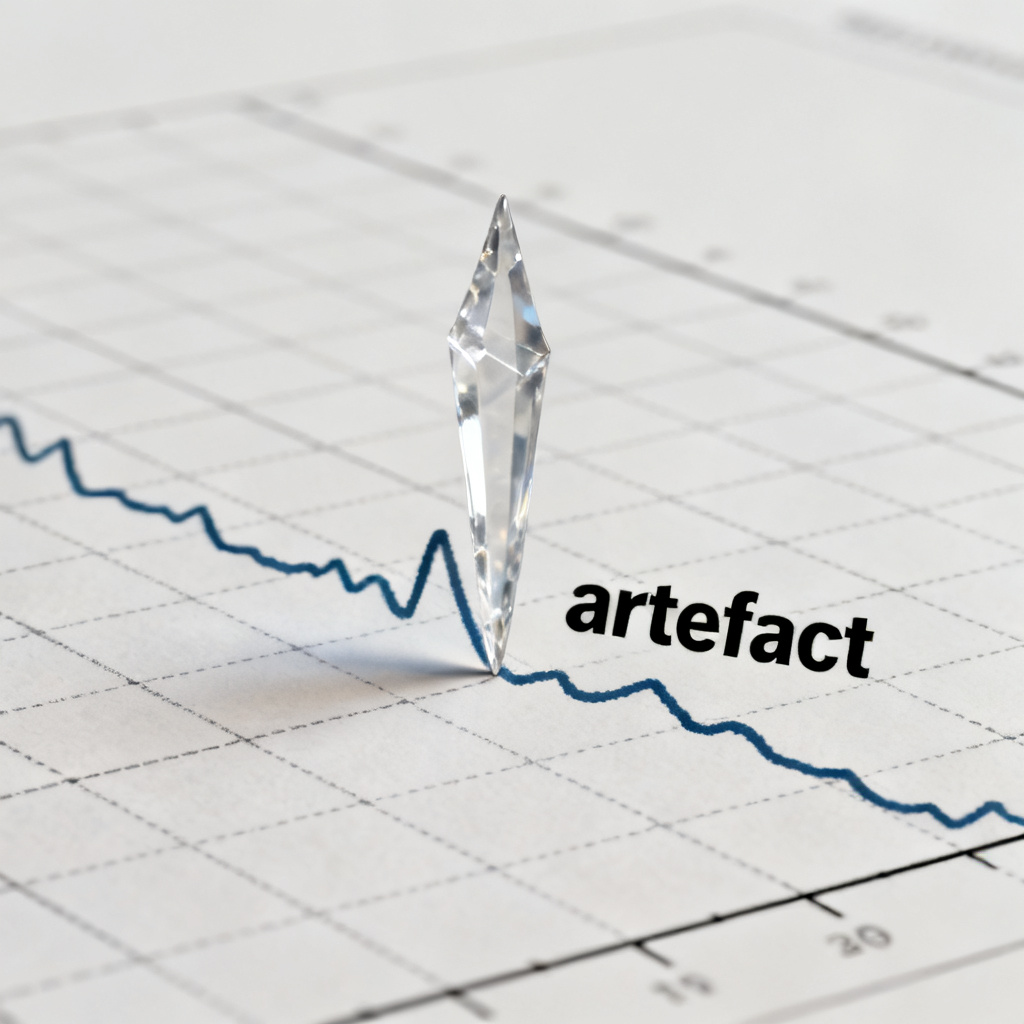
An object made by humans, not formed naturally. Often something that appears in a scientific study but is not part of the real thing being studied.
人工産物
➕
じんこうさんぶつ
n.
人間の手によって作られた物体で、自然には存在しないもの。特に科学的研究において、試料に混入する人為的な異物を指す。
📘 詳細と使い方
📖 語根解説
ラテン語「ars(技術)」+「factum(作られたもの)」に由来。
💡 記憶法
「アート(芸術)+ファクト(事実)」で、人が作った物というイメージ。
📖 例文
When analyzing the rock sample under the microscope, the scientists carefully distinguished between natural minerals and artefacts introduced during the polishing process.
顕微鏡で岩石試料を分析する際、科学者たちは天然の鉱物と研磨過程で混入した人工産物を注意深く区別した。
🔗 コロケーション
laboratory artefact – 実験室での人工産物
processing artefact – 処理中に生じた人工産物
identify an artefact – 人工産物を識別する
🔄 類義語
contaminant (n.) – 汚染物質、混入物
byproduct (n.) – 副産物(意図せず生じたもの)
🚫 対義語
natural specimen (n.) – 自然標本(人工物でない)
🌱 派生語
artefactual (adj.) –
📖 文化的背景
元々はラテン語で「技術で作られたもの」を指した。科学実験では人為的に混入した異物を、考古学では古代の人工遺物を意味するようになった。
意味 2:考古遺物 (artefact)
artefact
/ˈɑːrtɪfækt/
n.
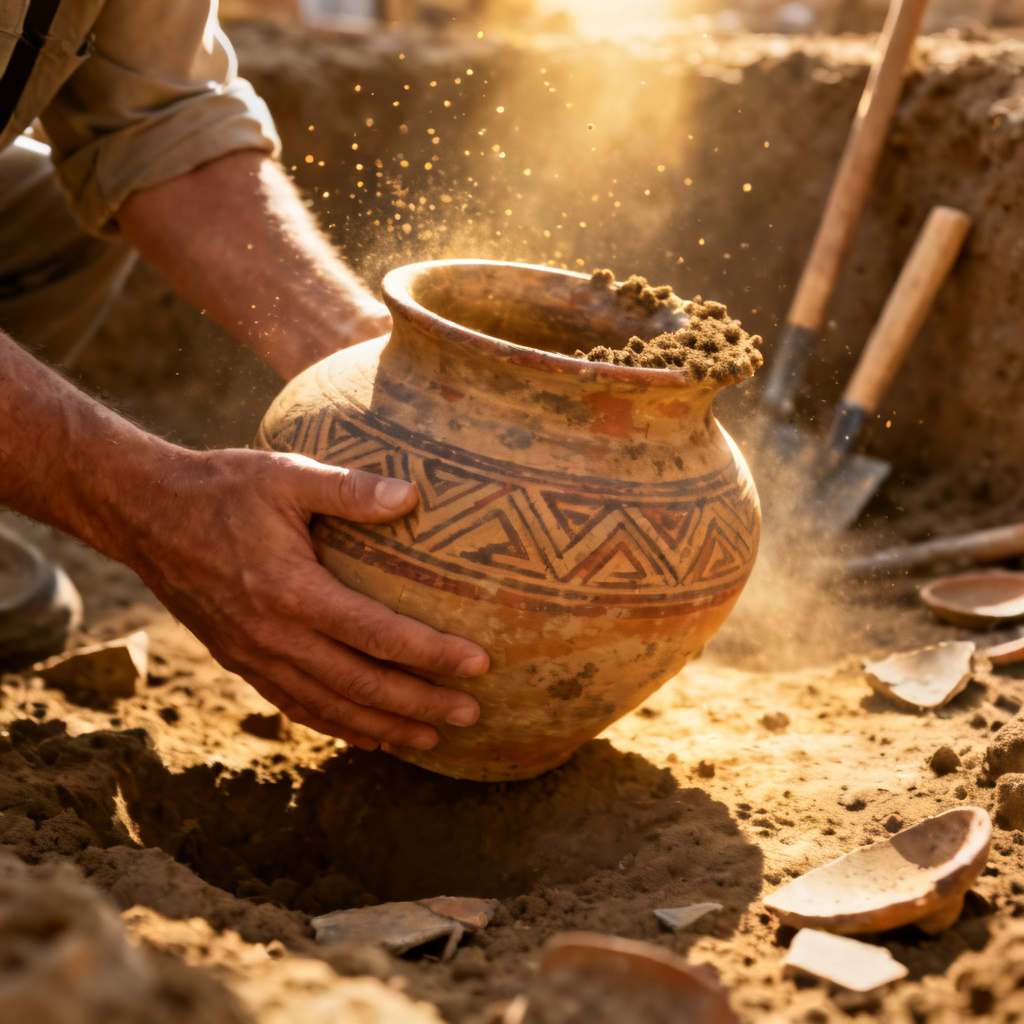
An ancient object made by people, which is interesting because it tells us about history or a past culture. It's like a piece of the past you can touch.
考古遺物
➕
こうこいぶつ
n.
古代の人々が作り、使用した物体で、歴史や文化を知る手がかりとなるもの。発掘などで見つかり、博物館などで展示される。
📘 詳細と使い方
📖 例文
The museum's new exhibition features a beautiful clay pot, an artefact from a civilization that thrived over 3000 years ago.
博物館の新展示では、3000年以上前の文明が生み出した美しい粘土の壺、考古遺物が展示されている。
🔗 コロケーション
ancient artefact – 古代の遺物
historical artefact – 歴史的遺物
preserve an artefact – 遺物を保存する
🚫 対義語
modern object (n.) – 現代の物体
🌱 派生語
artefact hunter (n.) –
単語帳
データはこのブラウザに保存されています