テーマ:
antiquity - 英语词汇详解 (3 意味)
意味 1:古代品 (antiquity)
antiquity
/ænˈtɪkwəti/
n.
An object or building from ancient times, often of historical or artistic value.
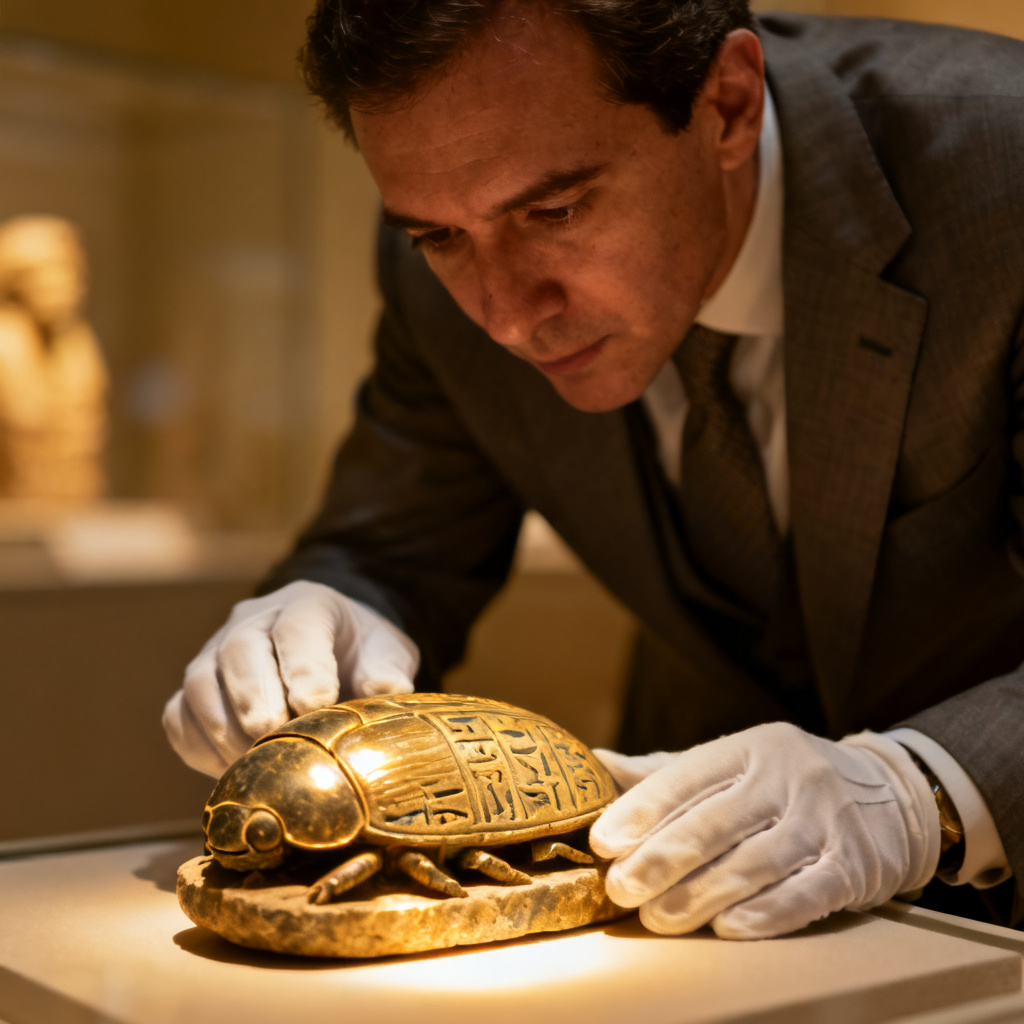
古代品
➕
こだいひん
n.
古代に作られた美術品や工芸品、建築物など、特に歴史的・芸術的価値のある品物。
📘 詳細と使い方
📖 語根解説
ラテン語「antiquus」(古い)から派生した「antiquitas」が語源。
💡 記憶法
「アンティーク(antique)」と関連づけて覚える。どちらも「古い」という意味。
📖 例文
The museum's most prized antiquity is a delicate clay pot from a lost civilization, displayed in a glass case.
その博物館で最も貴重な古代品は、失われた文明の精巧な粘土の壺で、ガラスケースに展示されている。
🔗 コロケーション
priceless antiquity – 貴重な古代品
ancient antiquity – 古代の遺物
🌱 派生語
antiquarian (n./adj.) – 古物研究家、古物収集の
📖 文化的背景
14世紀にフランス語経由で英語に入り、古代ギリシャ・ローマの遺物や時代を指す。現代でも博物館や歴史書で頻繁に使われる。
意味 2:古代 (antiquity)
antiquity
/ænˈtɪkwəti/
n.
The ancient past, especially the period before the Middle Ages.
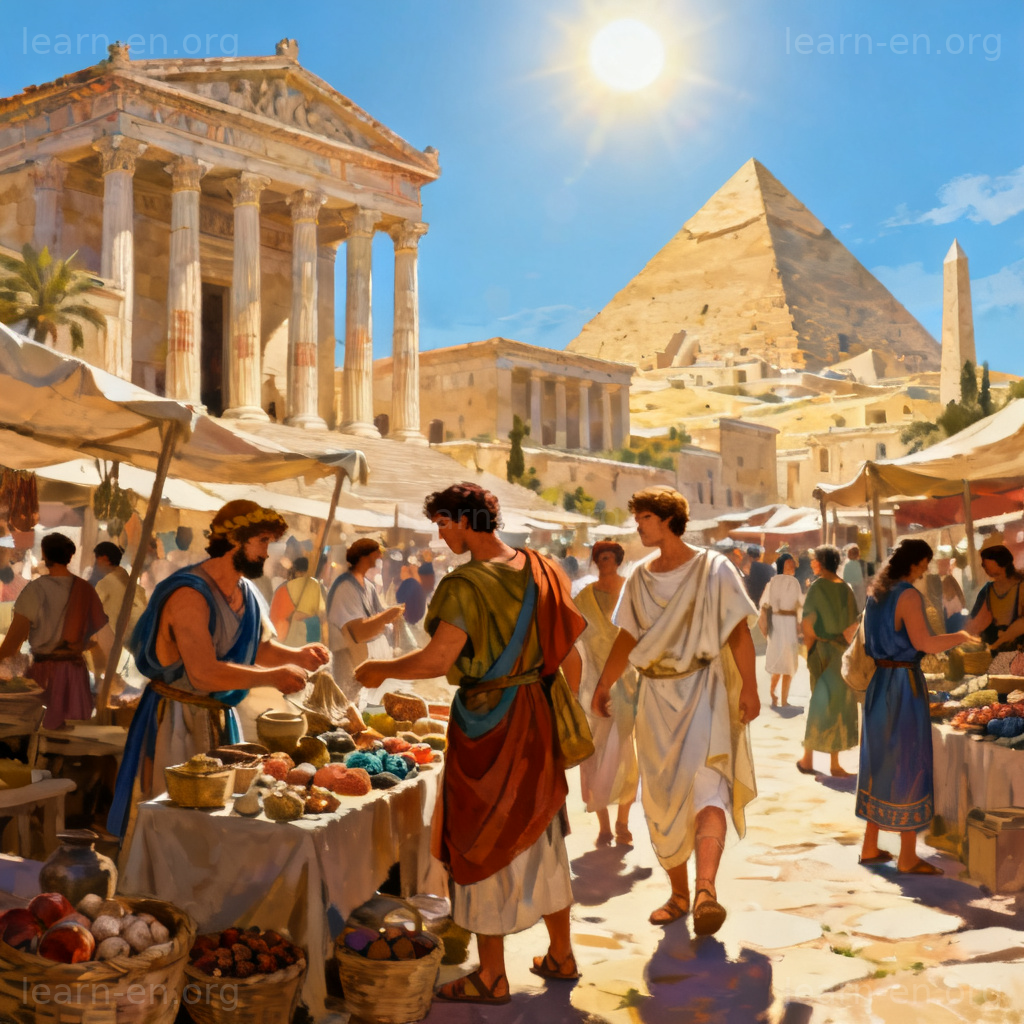
古代
➕
こだい
n.
中世以前の非常に古い時代、特に文明が栄えた時代を指す歴史区分。
📘 詳細と使い方
📖 例文
Many people believe that life in antiquity was simpler, but history shows it was complex and diverse.
多くの人は古代の生活は単純だったと思っているが、歴史はそれが複雑で多様だったことを示している。
🔗 コロケーション
in antiquity – 古代において
classical antiquity – 古典古代(ギリシャ・ローマ時代)
🔄 類義語
ancient times (n.) – 非常に昔の時代
olden days (n.) – 昔の時代(やや古風)
🚫 対義語
modernity (n.) – 現代、近代
🌱 派生語
antiquate (v.) – 時代遅れにする
意味 3:古代遺跡 (antiquity)
antiquity
/ænˈtɪkwəti/
n.
An ancient building or site, especially one that is partly ruined and historically significant.
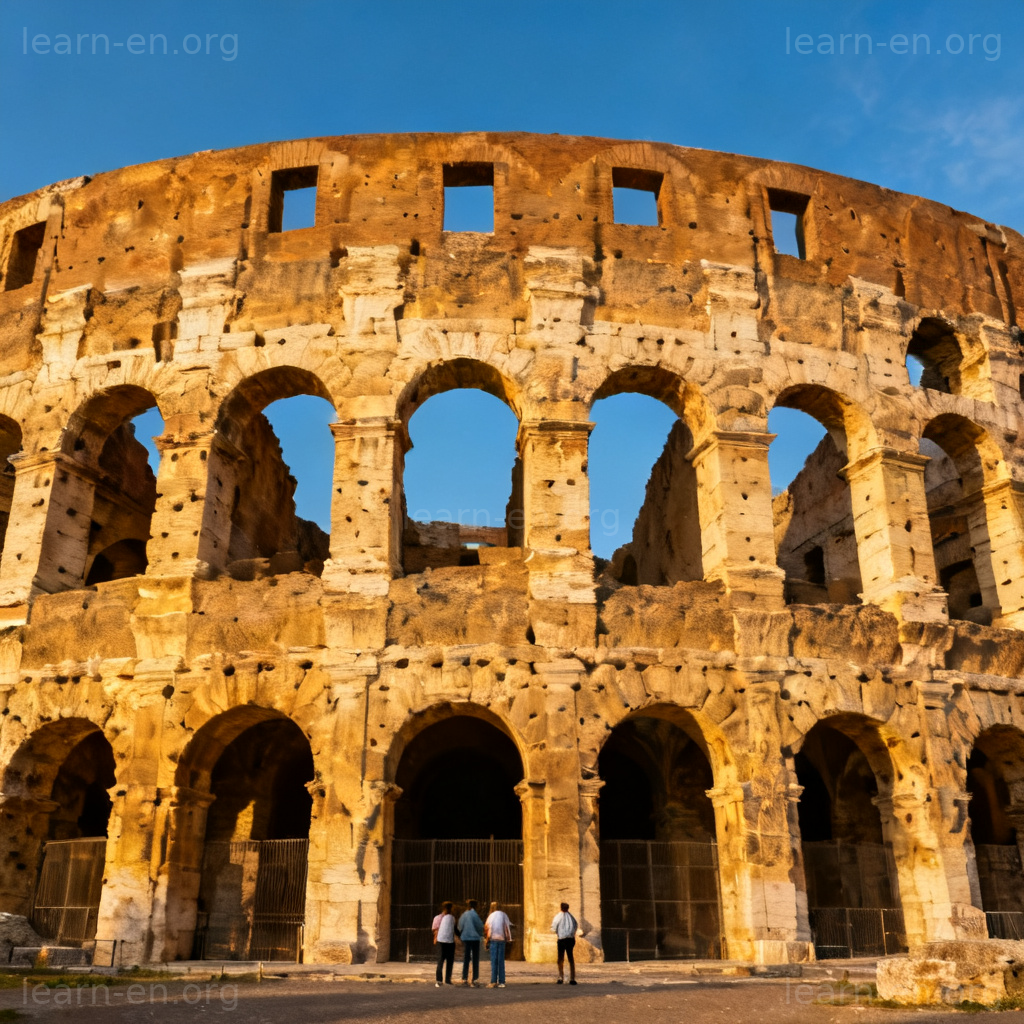
古代遺跡
➕
こだいいせき
n.
古代に建てられた建造物や遺構で、現在は部分的に破壊されているが歴史的価値が高いもの。
📘 詳細と使い方
📖 例文
Tourists flock to Athens to see the antiquity of the Acropolis, standing majestically on the hill.
観光客はアクロポリスの古代遺跡を見るためにアテネに殺到する。丘の上に荘厳にそびえ立っている。
🔗 コロケーション
Roman antiquity – ローマの古代遺跡
visit an antiquity – 古代遺跡を訪れる
🔄 類義語
ruins (n.) – 廃墟、遺跡
ancient monument (n.) – 古代の記念碑的建造物
単語帳
データはこのブラウザに保存されています