Reading Theme:
Turn Off Meaning, Examples, and Usage Guide (2 meaning)
Meaning 1:switch off (Turn off)
Turn off
/tɜːrn ɒf/
v.phr.
To make a device stop operating by pressing a button or moving a switch.

switch off
➕
/swɪtʃ ɒf/
v.phr.
To stop the operation of a machine, light, or electronic device by activating a control.
📘 Details & Usage
📖 Root Explanation
A phrasal verb combining 'turn' (to rotate or change direction) and 'off' (away, not in operation).
💡 Mnemonic
Think of twisting a knob clockwise to stop a machine—'turn' plus 'off' cuts the flow.
📖 Example
Before leaving the kitchen, don't forget to turn off the lights to save electricity.
Before leaving the kitchen, don't forget to turn off the lights to save electricity.
🔗 Collocations
turn off the light – to deactivate a light by flipping its switch or pressing a button
turn off the engine – to stop an engine from running, usually by turning a key or pressing a button
turn off the tap – to stop the flow of water by closing the faucet
🔄 Synonyms
shut off (v.phr.) – to cause something to stop operating, especially by closing a valve or cutting power
power down (v.phr.) – to shut down a computer or electronic device by cutting its power supply
deactivate (v.) – to make a device or system inactive by disconnecting it or turning a switch
🚫 Antonyms
🌱 Derivatives
turnoff (n.) – a point where a road branches off, or a thing that causes disinterest
📖 Cultural Story
Originating from early mechanical switches that required a turning motion to cut power, the phrase later evolved a metaphorical sense in the 20th century to describe repelling interest.
Meaning 2:repel (Turn off)
Turn off
/tɜːrn ɒf/
v.phr.
To cause someone to feel no longer interested in or attracted to something.
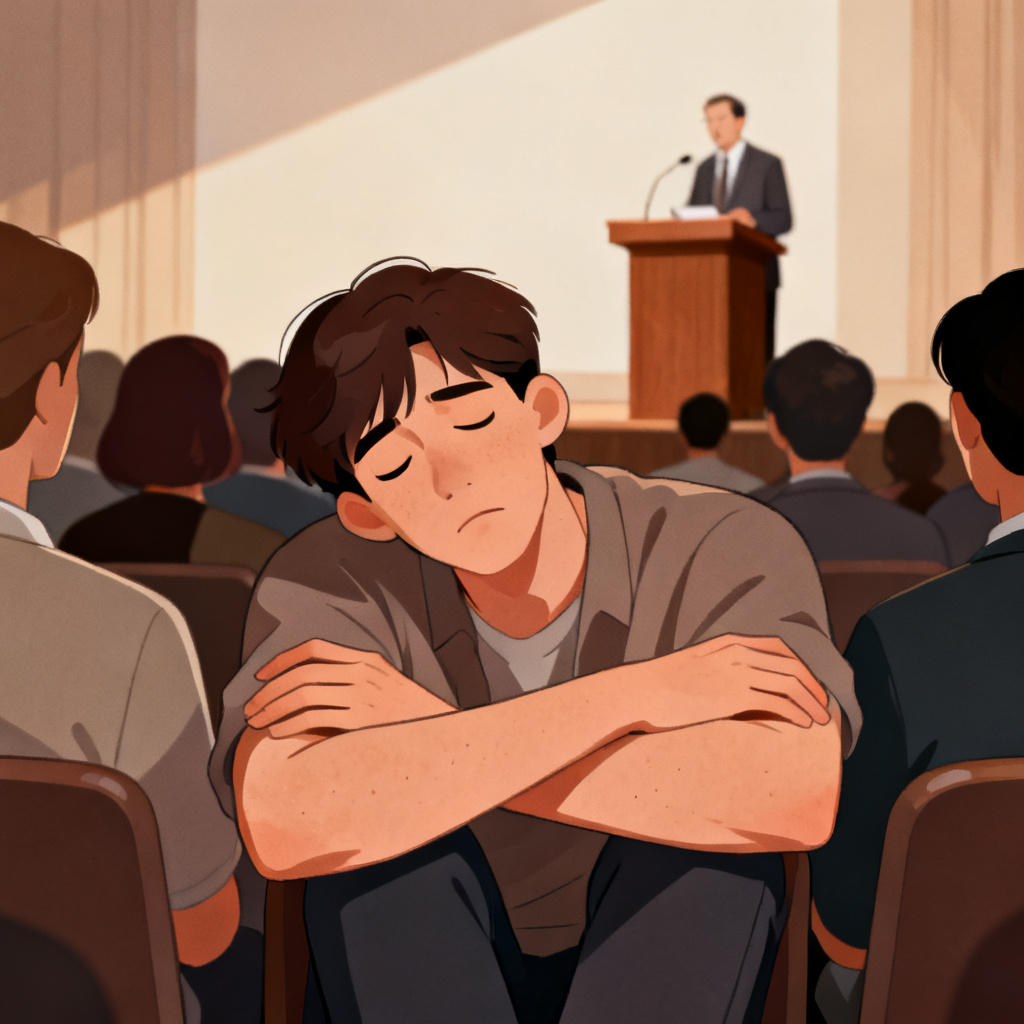
repel
➕
/rɪˈpɛl/
v.phr.
To cause someone to lose interest, enthusiasm, or attraction for something or someone.
📘 Details & Usage
📖 Example
My friend said that overly loud music really turns her off from going to that concert.
My friend said that overly loud music really turns her off from going to that concert.
🔗 Collocations
turn someone off something – to make someone lose interest in a particular activity or subject
turn off the audience – to cause the audience to become bored or disenchanted
be turned off by – to be repelled or disinterested by something specific
🔄 Synonyms
put off (v.phr.) – to cause someone to feel reluctant or lose enthusiasm
disenchant (v.) – to free from illusion or false belief, often resulting in loss of interest
🚫 Antonyms
🌱 Derivatives
turnoff (n.) – something that causes someone to lose interest or desire
Wordbook
Your data is saved in this browser