Reading Theme:
Spite: Definition, Usage & Common Examples
Meaning 1:malicious intent (spite)
spite
/spaɪt/
n.
The mean feeling when you want to annoy someone because you're upset or jealous.
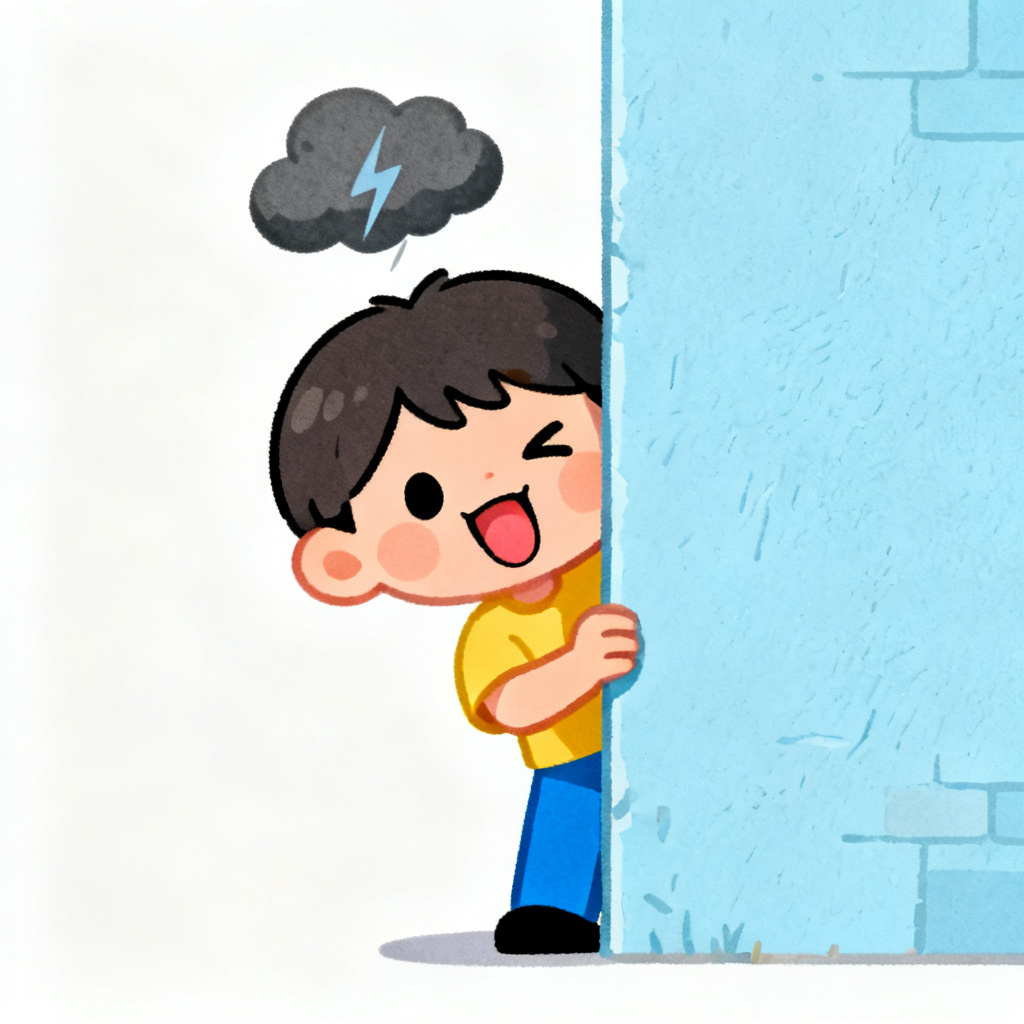
malicious intent
➕
/məˈlɪʃəs ɪnˈtent/
n.
A feeling of wanting to hurt, annoy, or offend someone, often stemming from pettiness, jealousy, or a sense of being wronged.
📘 Details & Usage
📖 Root Explanation
From Latin 'despectus' (contempt), via Old French 'despit'.
💡 Mnemonic
Think 'spite' rhymes with 'bite' - a spiteful person wants to 'bite' back with mean actions.
📖 Example
He didn't want the job himself; he just told the boss lies about the other candidate out of spite.
His motivation was not personal gain, but purely malicious intent to harm the other candidate's chances.
🔗 Collocations
out of spite – motivated by a desire to hurt or annoy
sheer spite – pure malice with no other reason
spiteful remark – a comment made with the intent to hurt
🔄 Synonyms
🚫 Antonyms
benevolence (n.) – The quality of being well-meaning; kindness.
goodwill (n.) – Friendly, helpful, or cooperative feeling or attitude.
🌱 Derivatives
spiteful (adj.) – Showing or caused by malice.
spitefully (adv.) – In a malicious manner.
📖 Cultural Story
The word 'spite' evolved from the Latin 'despectus', meaning 'contempt' or 'looking down upon'. It entered Middle English via Old French 'despit', retaining the core sense of malicious disdain. The common modern phrase 'in spite of' retains a hint of this defiance.
Wordbook
Your data is saved in this browser