Reading Theme:
Silence Definition: Complete Quiet & Refusal to Speak (2 meaning)
Meaning 1:complete quiet (silence)
silence
/ˈsaɪləns/
n.
A complete lack of sound or noise in a place or situation.

complete quiet
➕
/kəmˈpliːt ˈkwaɪət/
n.
A state where there is no sound or noise at all; total absence of auditory stimulation.
📘 Details & Usage
📖 Root Explanation
Latin 'silentium' from 'silere' (to be quiet). Root 'sil-' indicates quietness.
💡 Mnemonic
Silence: 'Si' sounds like 'see' + 'lence' like 'lens' – see through a lens of quiet to focus.
📖 Example
The silence in the library was so deep that you could hear the pages turning.
The complete lack of sound in the library was so deep that you could hear the pages turning.
🔗 Collocations
dead silence – Complete and absolute stillness with no sound at all
silence falls – A sudden onset of quietness after noise
break the silence – To start speaking or making sound after a period of quiet
🔄 Synonyms
🚫 Antonyms
🌱 Derivatives
📖 Cultural Story
The word 'silence' entered English via Old French from Latin 'silentium'. In Western culture, 'silence' is often associated with contemplation and peace, reflected in the proverb 'Silence is golden'.
Meaning 2:refusal to speak (silence)
silence
/ˈsaɪləns/
n.
A period when someone does not speak or make any sound, often showing they are thinking, shy, or disagree.
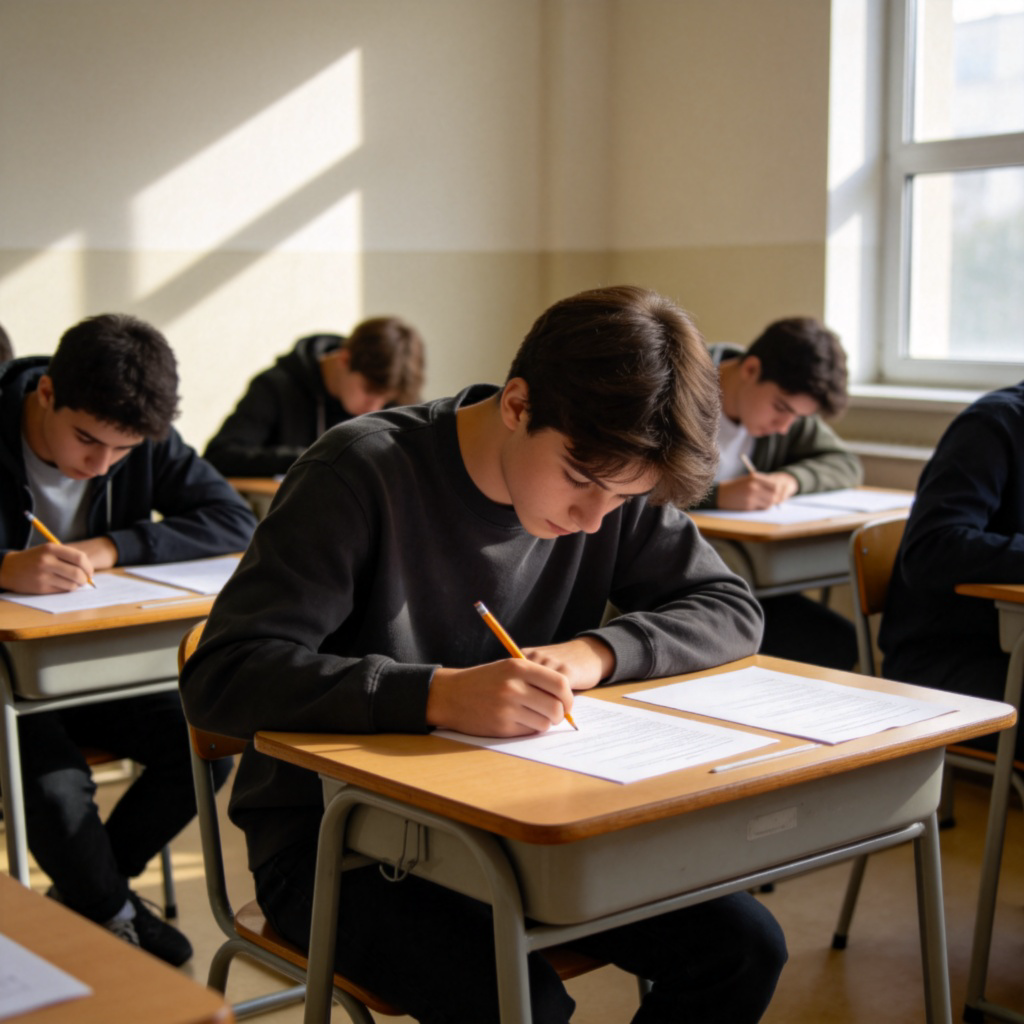
refusal to speak
➕
/rɪˈfjuːzəl tə spiːk/
n.
A deliberate or forced period during which a person does not communicate verbally, often indicating thought, shyness, disagreement, or tension.
📘 Details & Usage
📖 Example
After the teacher asked the difficult question, there was an awkward silence in the classroom.
After the teacher asked the difficult question, there was an uncomfortable period of not speaking in the classroom.
🔗 Collocations
awkward silence – An uncomfortable pause in conversation when no one speaks
silence is golden – Proverb meaning it is often better to say nothing
pregnant silence – A silence that is full of meaning or anticipation
🔄 Synonyms
taciturnity (n.) – The quality of being reserved or uncommunicative in speech
muteness (n.) – The condition of being unable or unwilling to speak
reticence (n.) – The quality of not revealing one's thoughts or feelings readily
🚫 Antonyms
Wordbook
Your data is saved in this browser