Reading Theme:
Renaissance: Definition, Usage & Historical Context (2 meaning)
Meaning 1:rebirth or revival (renaissance)
renaissance
/rəˈneɪsns/
n.
A time when something becomes popular and important again after a period of not being so.
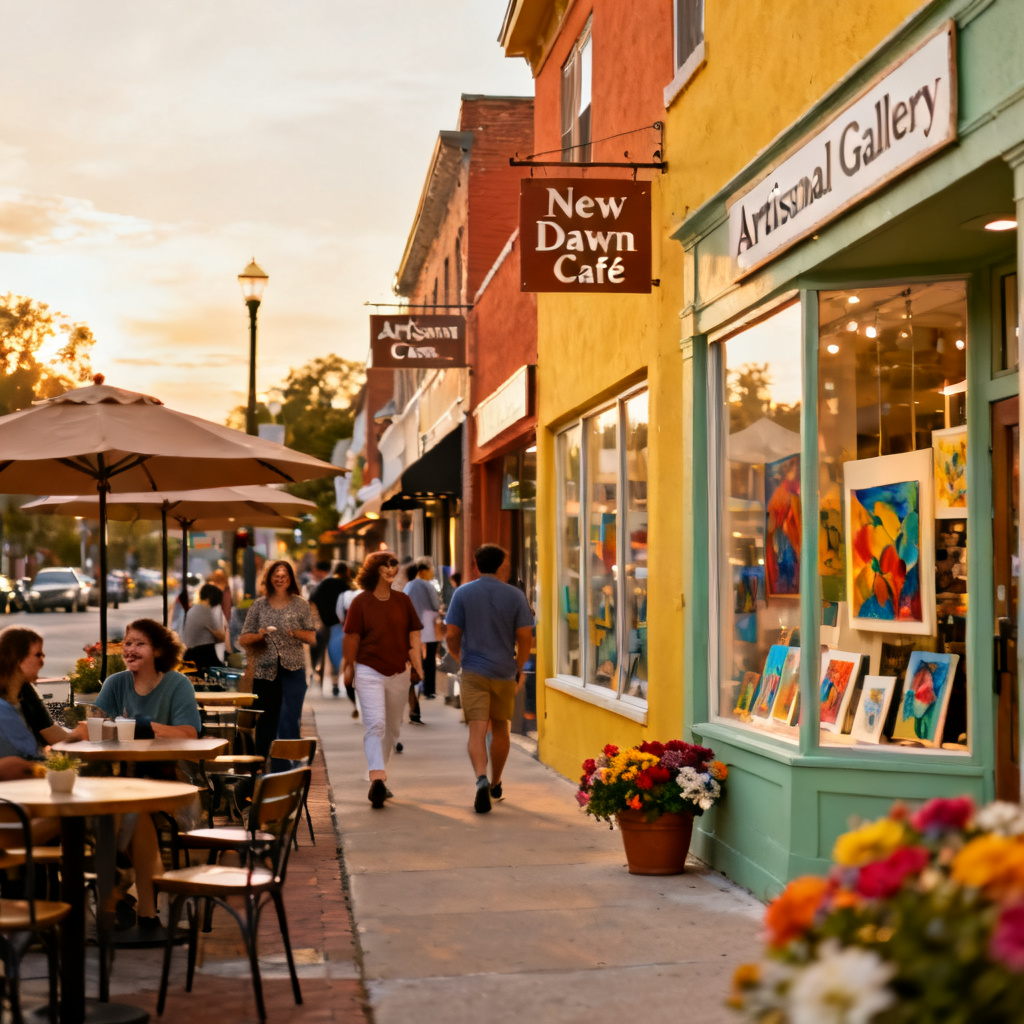
rebirth or revival
➕
/riːˈbɜːrθ ɔːr rɪˈvaɪvəl/
n.
A period when something experiences a significant resurgence in popularity, importance, or activity after a time of decline.
📘 Details & Usage
📖 Root Explanation
From French, based on Latin 'renascī' (to be born again), from 're-' (again) + 'nasci' (to be born).
💡 Mnemonic
RENEWal of science and art = RENAISSANCE. Think of a 'renaissance' as a period of being 're-born' culturally.
📖 Example
There has been a renaissance in traditional crafts in the city, with many young people learning old skills like pottery and weaving.
A renewed popularity and flourishing of traditional crafts has occurred in the city.
🔗 Collocations
undergo a renaissance – to experience a revival or rebirth
renaissance fair – a festival celebrating historical culture and crafts
renaissance man – a person with many talents or areas of knowledge
🔄 Synonyms
revival (n.) – an improvement in the condition or strength of something
resurgence (n.) – an increase or revival after a period of little activity, popularity, or occurrence
rebirth (n.) – a new or second birth; a reinvigoration
🚫 Antonyms
decline (n.) – a gradual and continuous loss of strength, numbers, quality, or value
stagnation (n.) – a state of inactivity or lack of growth, development, or advancement
dark age (n.) – a period of time marked by a lack of cultural advancement or learning
🌱 Derivatives
renaissant (adj.) – characteristic of a renaissance; being reborn
Renaissance (adj.) – relating to the Renaissance period in Europe
📖 Cultural Story
The term originates from the 'Renaissance' period (14th–17th centuries) in Europe, marking a renewed interest in classical art, literature, and learning. It literally means 'rebirth'.
Meaning 2:the Renaissance period (renaissance)
renaissance
/rəˈneɪsns/
n.
A specific period in European history when art, science, and thinking grew very fast.
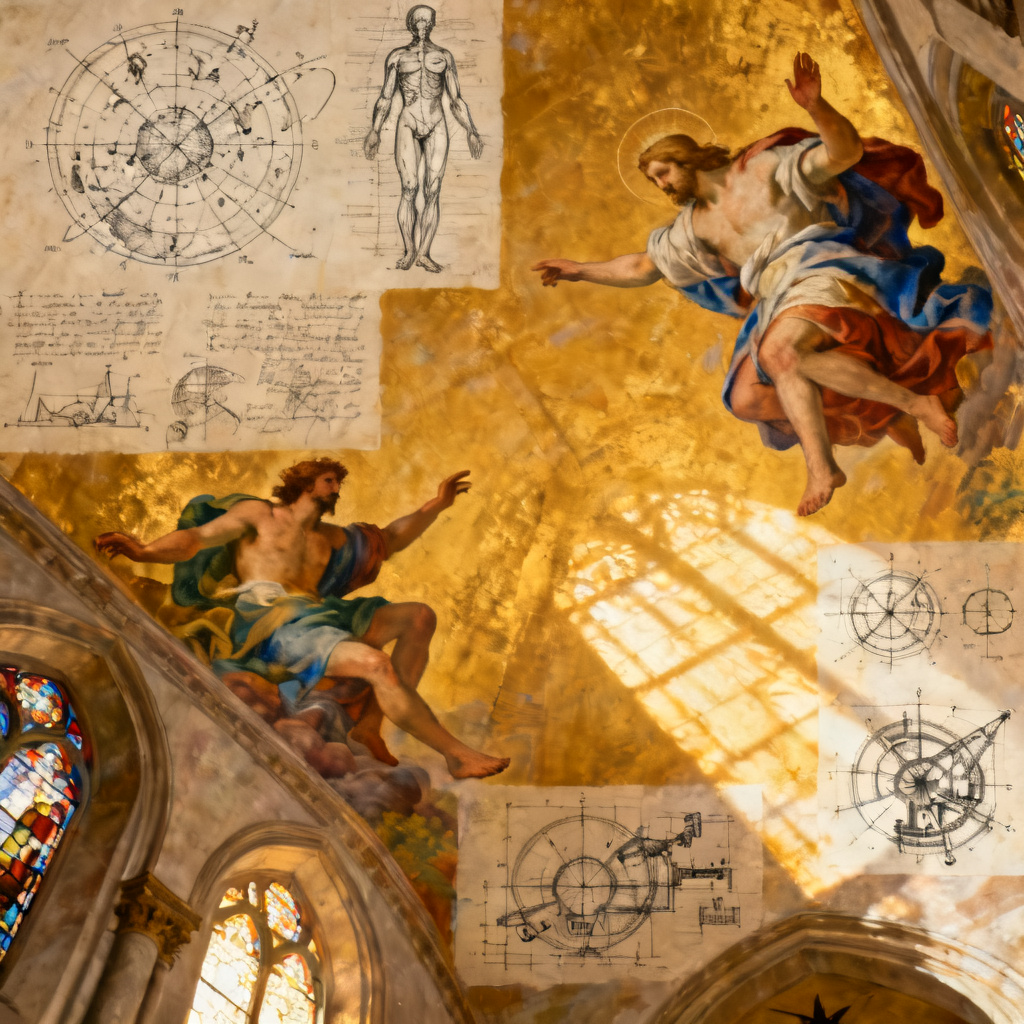
the Renaissance period
➕
/ðə ˈrɛnəsɑːns ˈpɪəriəd/
n.
Specifically refers to the period in European history, roughly between the 14th and 17th centuries, characterized by a flourishing of art, science, literature, and philosophy inspired by classical antiquity.
📘 Details & Usage
📖 Example
Leonardo da Vinci, with his famous paintings and inventive mind, is considered a true genius of the Renaissance.
Leonardo da Vinci is regarded as a quintessential genius from that historical period of great cultural awakening in Europe.
🔗 Collocations
the Italian Renaissance – the cultural movement that began in Italy in the Late Middle Ages
Renaissance art – the painting, sculpture, and decorative arts of that historical period
Renaissance humanism – an intellectual movement that focused on human potential and achievements
🔄 Synonyms
Golden Age (n.) – a period of great peace, prosperity, and happiness, often with high cultural achievement
Age of Enlightenment (n.) – a later European intellectual movement emphasizing reason and individualism
Early Modern Period (n.) – the historical era immediately following the Middle Ages
🚫 Antonyms
Middle Ages (n.) – the period in European history between classical antiquity and the Renaissance
Dark Ages (n.) – a term sometimes used for the early Middle Ages, suggesting a cultural decline
Wordbook
Your data is saved in this browser