Reading Theme:
Nurture: Definition, Usage & Common Mistakes (2 meaning)
Meaning 1:care for and develop (nurture)
nurture
/ˈnɜːrtʃər/
vt./n.
To care for and help something or someone grow and develop, like taking care of a plant or a talent.
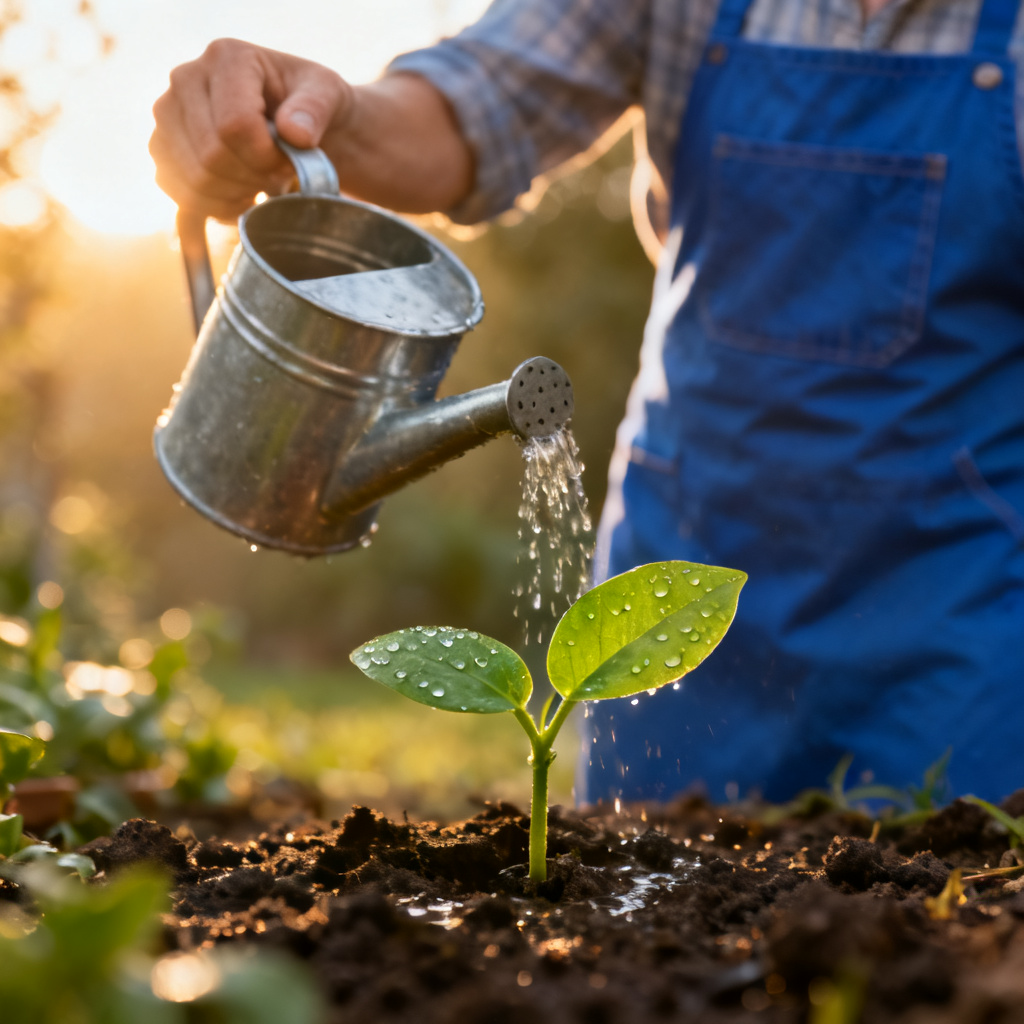
care for and develop
➕
kair for and dih-vel-uhp
vt./n.
This meaning refers to the active process of providing care, support, and favorable conditions to encourage the growth, development, or success of a living being, an idea, a relationship, or a skill.
📘 Details & Usage
📖 Root Explanation
From Old French 'nourriture' (nourishment), which itself derives from Late Latin 'nutritura' (a nursing, nourishing), from the Latin verb 'nutrire' (to suckle, nourish, foster).
💡 Mnemonic
Imagine a **NURSE** in a **NURSERY** gently caring for a baby. Both 'nurse' and 'nursery' share the same root as 'nurture', helping you remember it means to care for and help grow.
📖 Example
Good teachers nurture their students' curiosity by encouraging them to ask questions.
Good teachers care for and develop their students' curiosity by encouraging them to ask questions.
🔗 Collocations
nurture a talent – to help a natural ability grow and improve through care and training
nurture relationships – to invest time and effort into making personal or professional connections stronger and healthier
nurture growth – to provide the necessary conditions for physical, economic, or personal expansion
🔄 Synonyms
🚫 Antonyms
🌱 Derivatives
nurturer (n.) – A person who provides care, support, and encouragement for growth.
📖 Cultural Story
The word 'nurture' has a strong presence in the long-standing 'nature versus nurture' debate in psychology, sociology, and education. This debate explores the relative influences of genetics ('nature') and environment, upbringing, and experience ('nurture') on human development. The term is frequently used in academic papers, parenting guides, and policy discussions concerning early childhood development and education.
Meaning 2:upbringing and environment (nurture)
nurture
/ˈnɜːrtʃər/
vt./n.
The care, education, and environment a person receives while growing up, which shapes who they become.
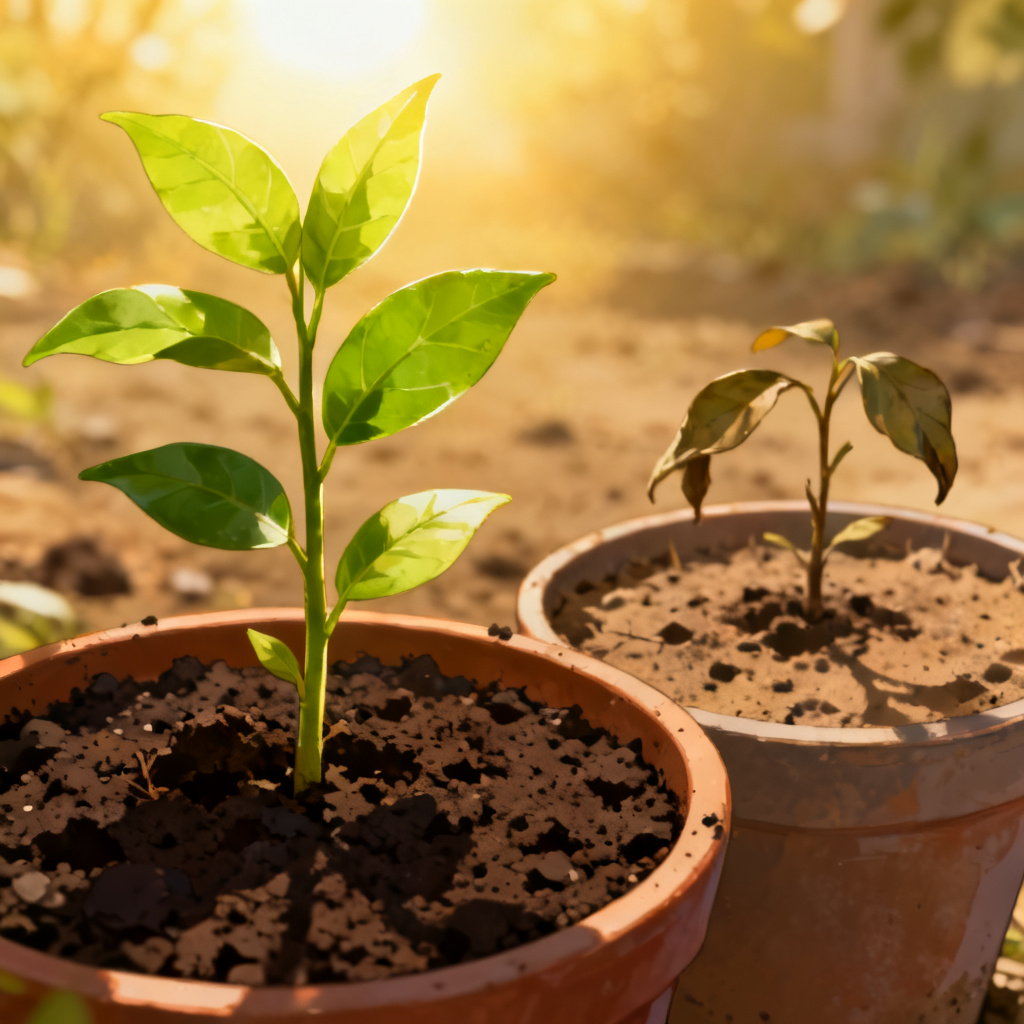
upbringing and environment
➕
uhp-bring-ing and en-vahy-ern-muhnt
vt./n.
This meaning refers to the sum total of the environmental factors, experiences, care, and education that influence an individual's development from childhood, often contrasted with inborn traits ('nature').
📘 Details & Usage
📖 Example
He believes that a person's success is influenced by both nature (genetics) and nurture (upbringing and environment).
He believes that a person's success is influenced by both nature (genetics) and upbringing and environment.
🔗 Collocations
nature versus nurture – the debate about the influence of inherited characteristics versus life experience on development
the effects of nurture – the impacts that upbringing, education, and environment have on a person
🔄 Synonyms
upbringing (n.) – The treatment and instruction received by a child from its parents throughout its childhood.
socialization (n.) – The process of learning to behave in a way that is acceptable to society, often through upbringing.
🚫 Antonyms
nature (n.) – In this context, the innate, inherited influences on a person, as opposed to environmental ones.
Wordbook
Your data is saved in this browser