Reading Theme:
Else: Meaning, Examples, and Correct Usage (2 meaning)
Meaning 1:different (else)
else
/els/
adv.
Used after question words or indefinite pronouns to refer to a different person, thing, or place.
different
➕
/ˈdɪfərənt/
adv.
Used after question words or indefinite pronouns to indicate an alternative or additional person, thing, or place.
📘 Details & Usage
📖 Root Explanation
From Old English elles, related to Latin alius (other).
💡 Mnemonic
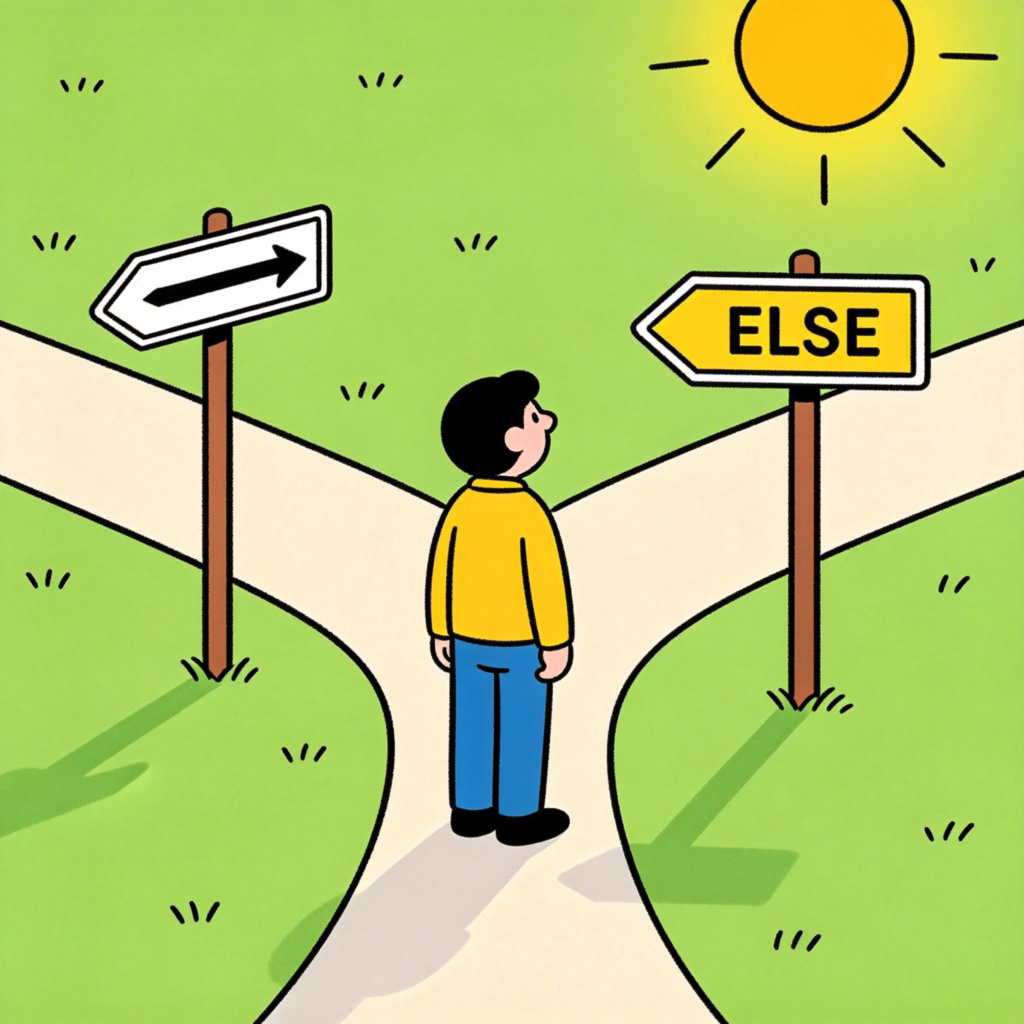
Think of 'else' as the fork in the road: if not this, then something else.
📖 Example
I can't find the blue pen in the stationery store; do you sell it in else colors?
I can't find the blue pen in the stationery store; do you sell it in else colors?
🔗 Collocations
someone else – another person
something else – another thing
somewhere else – another place
🔄 Synonyms
🚫 Antonyms
📖 Cultural Story
Originally an adverb meaning 'otherwise' in Old English, 'else' evolved to be used after question words. Its use in 'or else' threats dates back to Middle English.
Meaning 2:otherwise (else)
else
/els/
adv.
Used after a warning or statement to show what will happen if the condition is not met.
otherwise
➕
/ˈʌðərwaɪz/
adv.
Used after a threat or warning to specify the negative consequence if the condition is not followed.
📘 Details & Usage
📖 Example
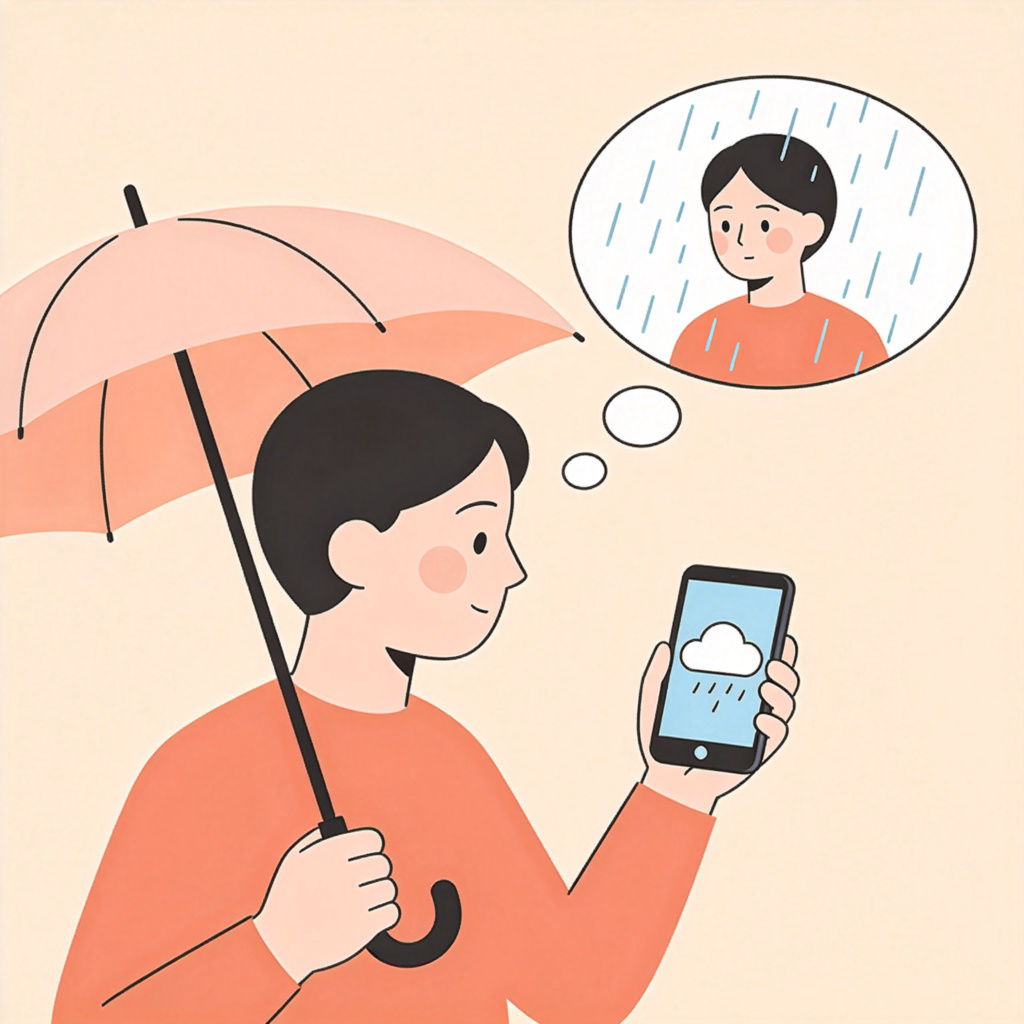
You should take an umbrella, or else you might get caught in the afternoon rain.
You should take an umbrella, or else you might get caught in the afternoon rain.
🔗 Collocations
or else – otherwise
hurry up, or else – hurry up, otherwise
do it, or else – do it, or face consequences
Wordbook
Your data is saved in this browser