Reading Theme:
Earth Meaning: Planet, Soil & Usage Examples (2 meaning)
Meaning 1:the planet we live on (earth)
earth
/ɜːrθ/
n.
the big planet where we all live, the third planet from the sun.
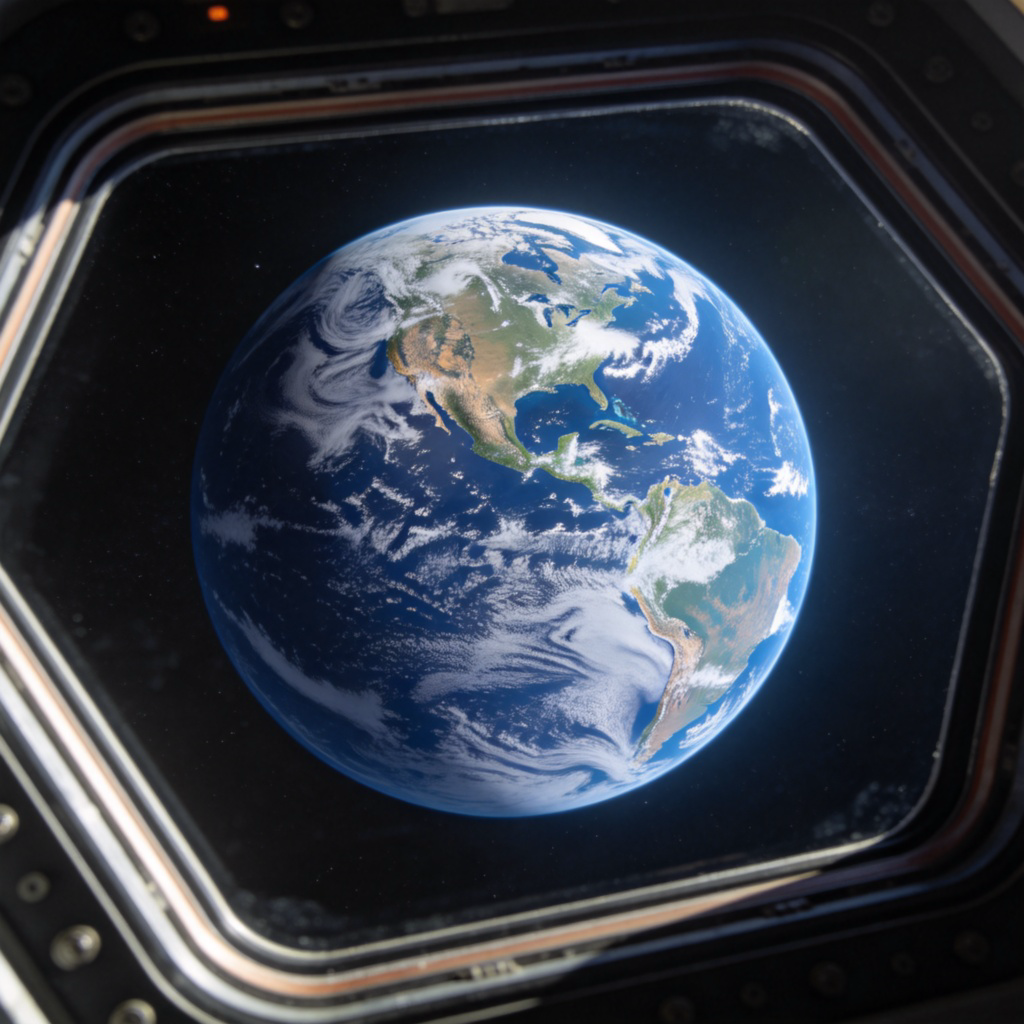
the planet we live on
➕
/ðə ˈplænɪt wi lɪv ɒn/
n.
The third planet from the Sun, the only known astronomical object to harbor life, characterized by its blue oceans, green landmasses, and atmosphere.
📘 Details & Usage
📖 Root Explanation
From Old English eorþe, derived from Proto-Germanic *erþō, related to Old High German erda and Greek éraze (on the ground).
💡 Mnemonic
Imagine 'EAR' as in hearing, and 'TH' as in 'the'; you hear the ground when something falls on the EARTH.
📖 Example
The photo taken by the astronaut showed the beautiful blue earth from space.
The photo taken by the astronaut showed the beautiful blue Earth from space.
🔗 Collocations
on earth – used for emphasis (e.g., 'What on earth is that?') or literally 'on the planet'
down to earth – practical, realistic, and unpretentious
Earth science – the study of the Earth's physical structure, atmosphere, and oceans
🔄 Synonyms
🚫 Antonyms
🌱 Derivatives
earthly (adj.) – of or relating to the Earth or human life on it
earthen (adj.) – made of earth or clay
earthquake (n.) – a sudden shaking of the ground caused by tectonic movements
📖 Cultural Story
Earth in Old English (eorþe) originally meant 'ground, soil' before expanding to the whole planet. It shares roots with German 'Erde' and Latin 'terra', all tracing back to Proto-Indo-European *er- meaning 'earth, ground'.
Meaning 2:soil or ground (earth)
earth
/ɜːrθ/
n.
the brown or black stuff on the ground where plants grow.
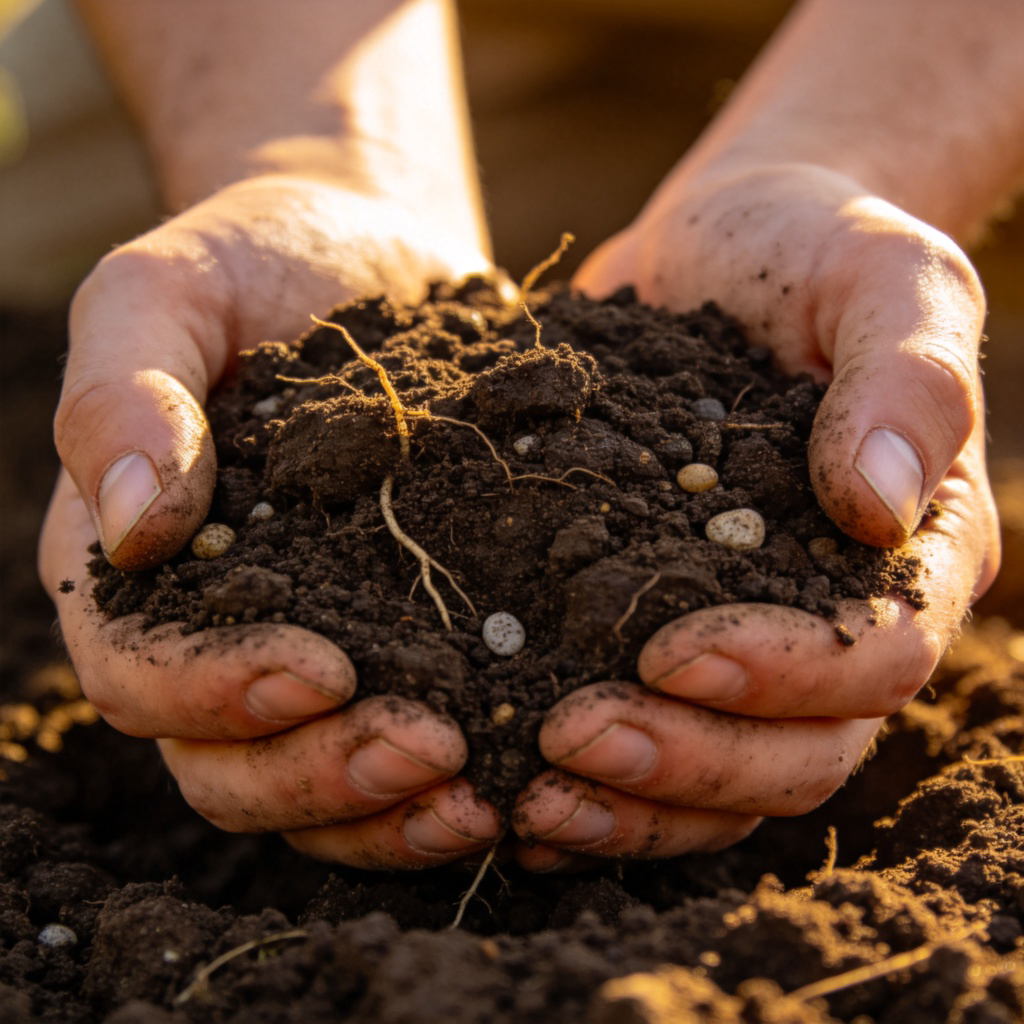
soil or ground
➕
/sɔɪl ɔːr ɡraʊnd/
n.
The loose, dark material on the surface of the ground that plants grow in, consisting of decomposed organic matter, minerals, and small rocks.
📘 Details & Usage
📖 Example
The gardener added rich earth to the flowerbed before planting new roses.
The gardener added rich earth to the flowerbed before planting new roses.
🔗 Collocations
earth soil – the top layer of the ground used for gardening
earth mound – a pile of soil, often used in landscaping or burial
earth floor – a floor made of packed soil, common in traditional buildings
🔄 Synonyms
🚫 Antonyms
🌱 Derivatives
earthy (adj.) – resembling or characteristic of earth; natural, unrefined
earthenware (n.) – ceramics made from clay, fired at a low temperature
earthworm (n.) – a worm that lives in the soil, aiding in aeration
Wordbook
Your data is saved in this browser