Reading Theme:
Disillusionment: Definition, Usage & Examples
Meaning 1:loss of illusions (disillusionment)
disillusionment
/ˌdɪs.ɪˈluː.ʒən.mənt/
n.
Feeling sad and disappointed after you realize something is not as good or true as you thought.
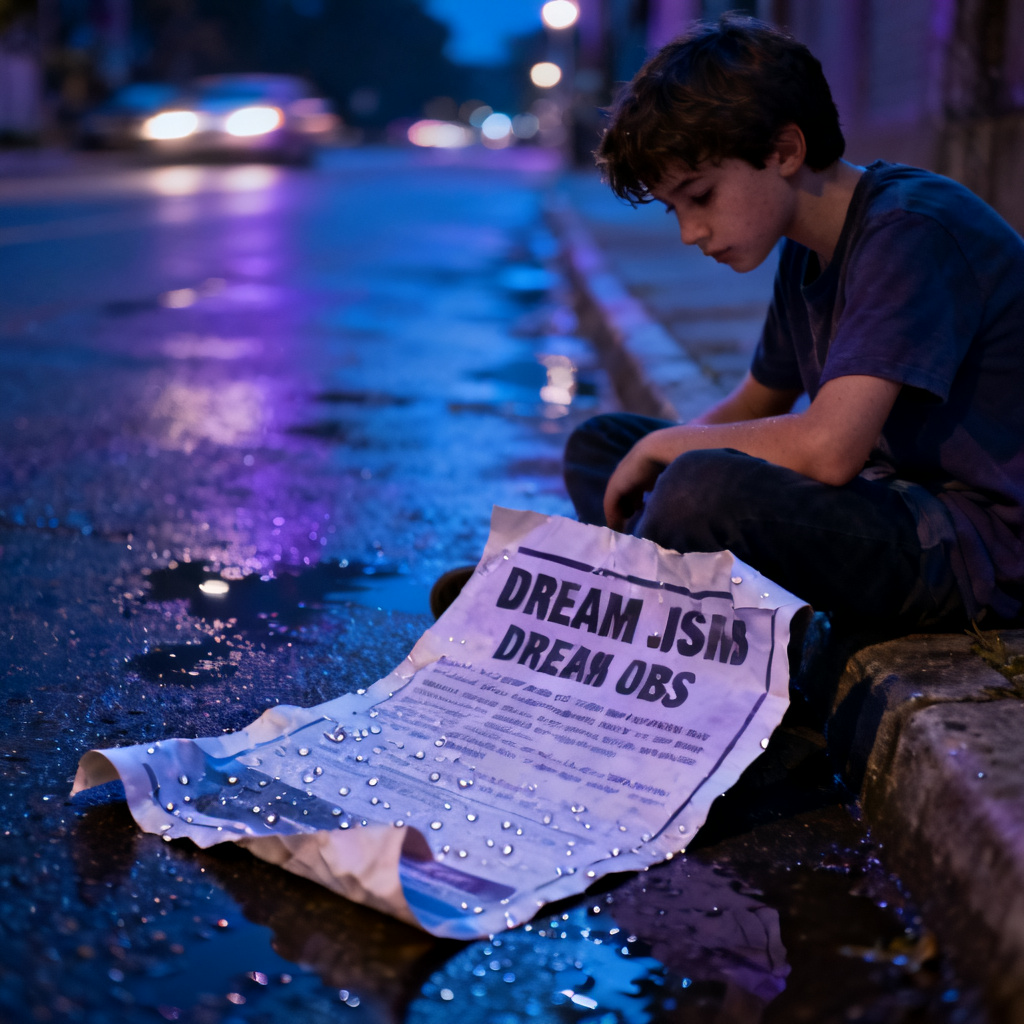
loss of illusions
➕
/lɒs əv ɪˈluːʒ(ə)nz/
n.
A profound emotional state characterized by sadness and disappointment arising from the realization that a person, belief, or situation is not as admirable, perfect, or true as one had previously believed.
📘 Details & Usage
📖 Root Explanation
Prefix 'dis-' (remove) + noun 'illusion' (false belief) + suffix '-ment' (state or condition).
💡 Mnemonic
DIS-ILLUSION-MENT: The mental state (ment) after a false belief (illusion) has been taken away (dis-).
📖 Example
After working for the environmental charity, he felt a deep disillusionment when he saw how little actual change their projects created.
After working for the environmental charity, he felt a profound loss of illusions upon seeing the minimal real-world impact of their projects.
🔗 Collocations
deep disillusionment – A very strong and profound feeling of disappointment
political disillusionment – Disappointment and loss of faith in the political system or politicians
sense of disillusionment – A conscious awareness or feeling of being disillusioned
🔄 Synonyms
disenchantment (n.) – A feeling of disappointment from discovering something is not as good as believed, often implying loss of magical or idealistic charm.
disappointment (n.) – A general feeling of sadness or displeasure caused by the non-fulfillment of one's hopes or expectations.
🚫 Antonyms
🌱 Derivatives
disillusion (v.) – To cause someone to realize that a belief or ideal is false.
disillusioned (adj.) – Having lost one's ideals, illusions, or faith in something; disappointed.
disillusioning (adj.) – Causing someone to lose their ideals or positive illusions.
📖 Cultural Story
The term 'disillusionment' gained prominence in the early 20th century, often linked to the 'Lost Generation' post-World War I. It describes the stark disappointment felt after grand ideals (like glory in war or utopian society) were shattered by harsh reality, a common theme in modernist literature.
Wordbook
Your data is saved in this browser