Reading Theme:
Criticize: Meaning, Examples, and Usage Guide (2 meaning)
Meaning 1:find fault with (criticize)
criticize
/ˈkrɪtɪsaɪz/
v.
to say what you think is bad about someone or something.

find fault with
➕
/faɪnd fɔːlt wɪð/
v.
To express disapproval of someone or something by pointing out faults or shortcomings.
📘 Details & Usage
📖 Root Explanation
From Greek 'kritikos' (able to judge) via Latin 'criticus' + English suffix '-ize'.
💡 Mnemonic
Think 'critic eyes' – a critic uses sharp eyes to spot flaws, just like when you criticize.
📖 Example
I didn't like the movie's special effects, but I thought the story was good, so I don't want to criticize it too much.
I didn't like the movie's special effects, but I thought the story was good, so I don't want to criticize it too much.
🔗 Collocations
criticize someone for something – to express disapproval of someone because of a specific action or quality
harshly criticize – to criticize in a very severe or strong manner
openly criticize – to criticize without hiding one's opinion
🔄 Synonyms
condemn (v.) – to express complete disapproval of something, often in a formal way
disapprove (v.) – to have or express an unfavorable opinion about something
blame (v.) – to say that someone is responsible for something bad
🚫 Antonyms
🌱 Derivatives
📖 Cultural Story
Criticize entered English in the 17th century from Greek 'kritikos', originally meaning 'to judge literary works'. It expanded to general fault-finding in the 19th century.
Meaning 2:point out faults in (criticize)
criticize
/ˈkrɪtɪsaɪz/
v.
to judge and discuss the faults of something seriously.
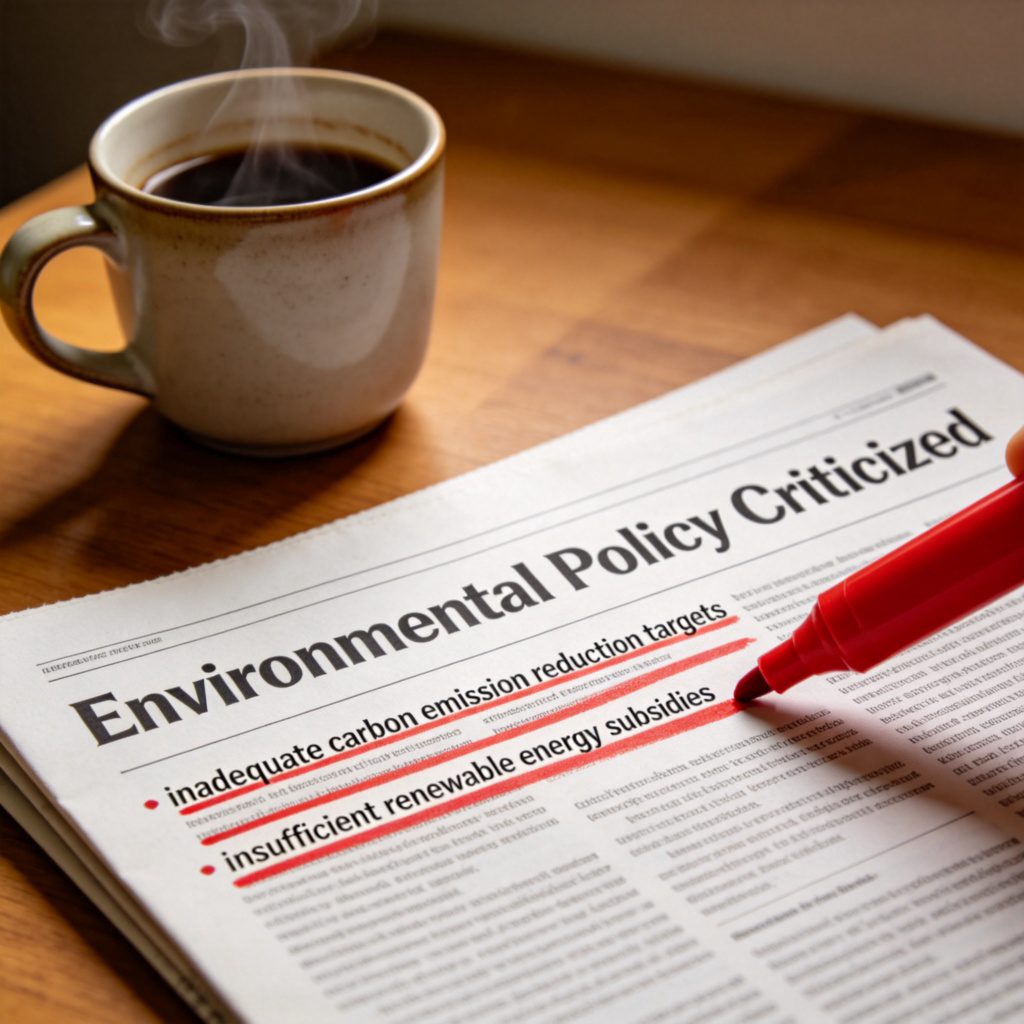
point out faults in
➕
/pɔɪnt aʊt fɔːlts ɪn/
v.
To judge and discuss the faults of something seriously, often in a formal or public context.
📘 Details & Usage
📖 Example
The newspaper article strongly criticized the new traffic policy, arguing it would cause more congestion.
The newspaper article strongly criticized the new traffic policy, arguing it would cause more congestion.
🔗 Collocations
strongly criticize – to criticize with great force or intensity
criticize a policy – to express disapproval of a specific plan or rule
widely criticized – receiving criticism from many people or sources
🔄 Synonyms
🚫 Antonyms
🌱 Derivatives
critique (n./v.) – a detailed analysis and assessment of something, especially a literary or artistic work
overcritical (adj.) – tending to find too many faults
Wordbook
Your data is saved in this browser