Reading Theme:
Blunt Definition, Usage & Common Mistakes (3 meaning)
Meaning 1:be direct and honest (blunt)
blunt
/blʌnt/
adj./vt.
Being very direct when you speak, without trying to be polite or careful about people's feelings.
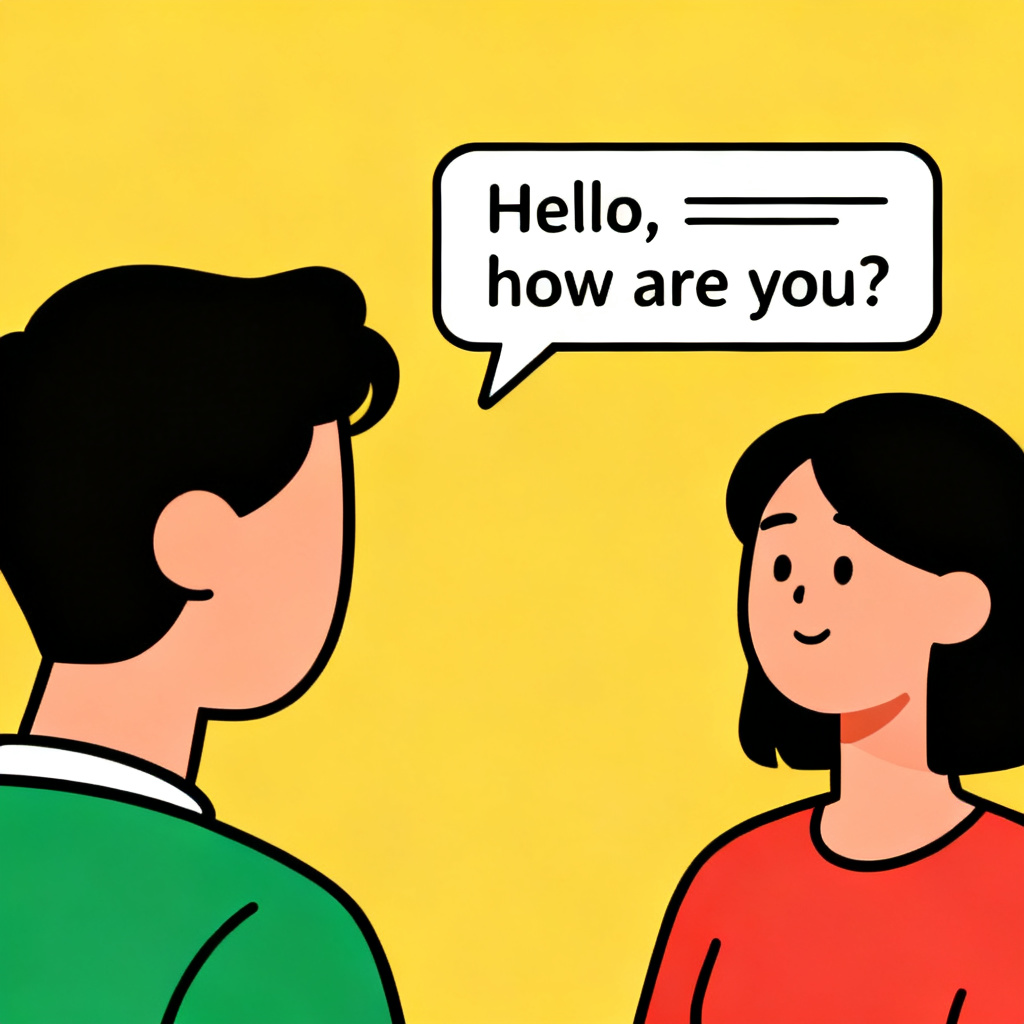
be direct and honest
➕
/biː dɪˈrekt ənd ˈɒnɪst/
adj./vt.
Describing a manner of speaking that is straightforward and without concern for politeness or others' feelings.
📘 Details & Usage
📖 Root Explanation
From Middle English, possibly Old Norse 'blunda', meaning dull or not sharp.
💡 Mnemonic
Think of a blunt knife: it won't cut well, just like blunt speech cuts straight without polish.
📖 Example
During the meeting, my boss was blunt about the project's shortcomings, which was hard to hear but ultimately helpful.
In the meeting, the boss spoke bluntly about the project's flaws, which was tough but beneficial.
🔗 Collocations
blunt honesty – direct and unfiltered truthfulness
blunt remark – a straightforward and often harsh comment
blunt speech – communication that is direct without sugarcoating
🔄 Synonyms
🚫 Antonyms
tactful (adj.) – showing sensitivity in dealing with others
diplomatic (adj.) – skillful in handling situations without causing offense
🌱 Derivatives
📖 Cultural Story
The word 'blunt' originated in the 12th century, evolving from meaning physically dull-edged to describing direct speech by the 16th century, reflecting cultural emphasis on honesty.
Meaning 2:not sharp (blunt)
blunt
/blʌnt/
adj./vt.
Not having a sharp edge or point, like a knife that won't cut well.
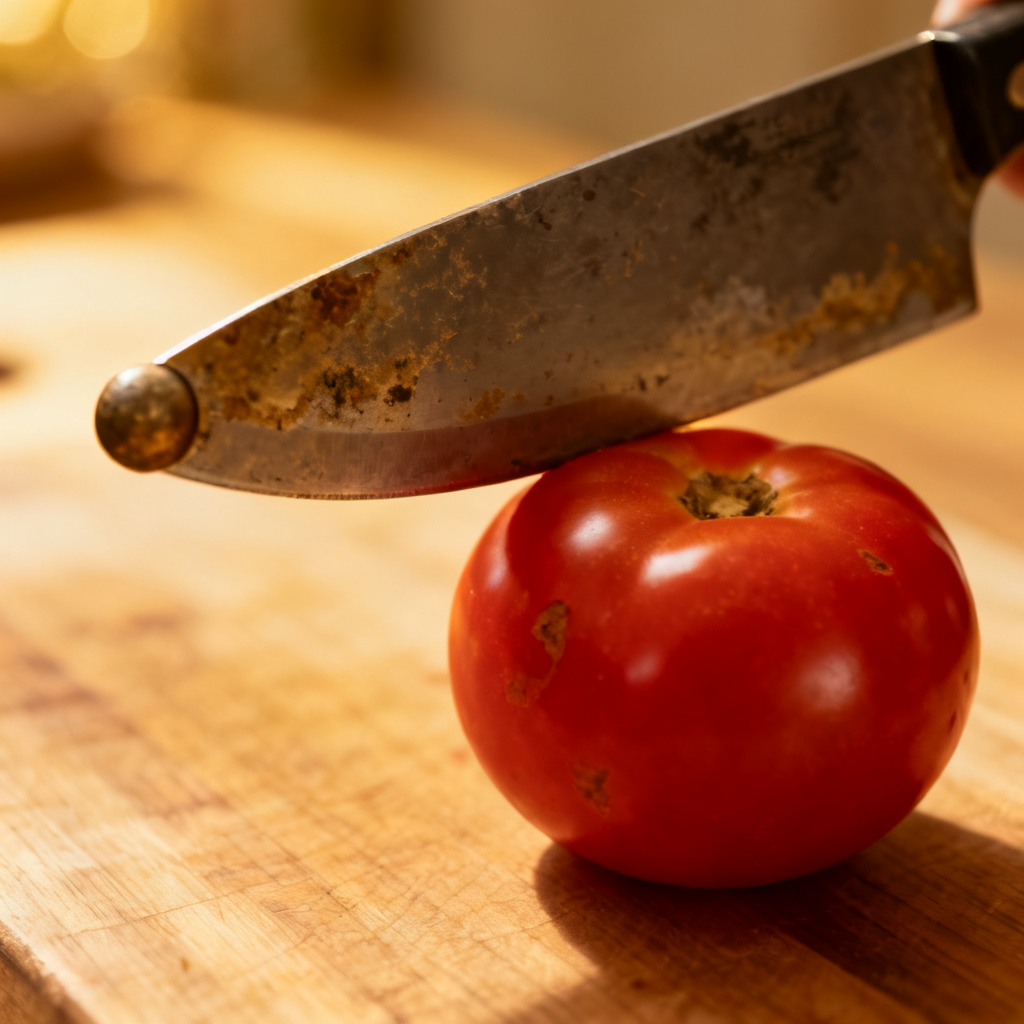
not sharp
➕
/nɒt ʃɑːp/
adj./vt.
Describing an object, such as a knife or tool, that lacks a sharp edge or point, making it ineffective for cutting.
📘 Details & Usage
📖 Example
This kitchen knife is so blunt that I can barely slice through a tomato; it needs sharpening.
This kitchen knife is too dull to cut a tomato easily and requires sharpening.
🔗 Collocations
blunt knife – a knife with a dull edge
blunt instrument – an object not sharp, often used in contexts like crime or tools
blunt edge – a surface that is not sharp or pointed
🔄 Synonyms
dull (adj.) – lacking sharpness or edge
unsharpened (adj.) – not made sharp or pointed
rounded (adj.) – having a smooth, non-sharp edge
Meaning 3:make less sharp (blunt)
blunt
/blʌnt/
adj./vt.
To make something less sharp or to weaken its effect.
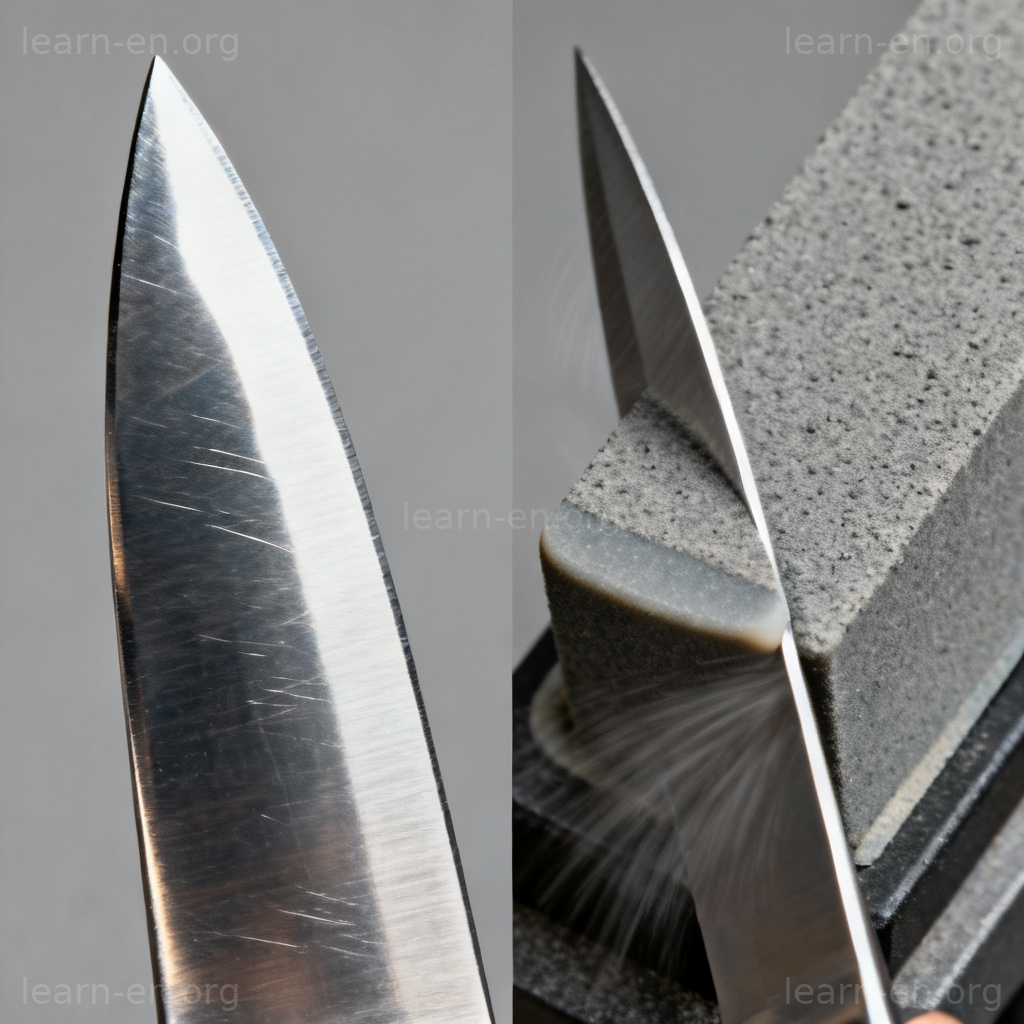
make less sharp
➕
/meɪk lɛs ʃɑːp/
adj./vt.
To cause something, typically an edge or effect, to become less sharp or to reduce its intensity or impact.
📘 Details & Usage
📖 Example
Cutting on a glass surface can quickly blunt the sharpest of knife blades.
Using a glass surface for cutting can rapidly dull even the sharpest knife blades.
🔗 Collocations
blunt the edge – to make an edge less sharp
blunt the impact – to reduce the force or effect of something
blunt a tool – to cause a tool to lose its sharpness
🔄 Synonyms
Wordbook
Your data is saved in this browser