阅读主题:
语言:
📕 rednote ID(小红书号):3881567312

who - 基础词汇详解 (共2个含义)

who 🔊
/huː/
pron.
A word used to ask a question about the identity of a person.
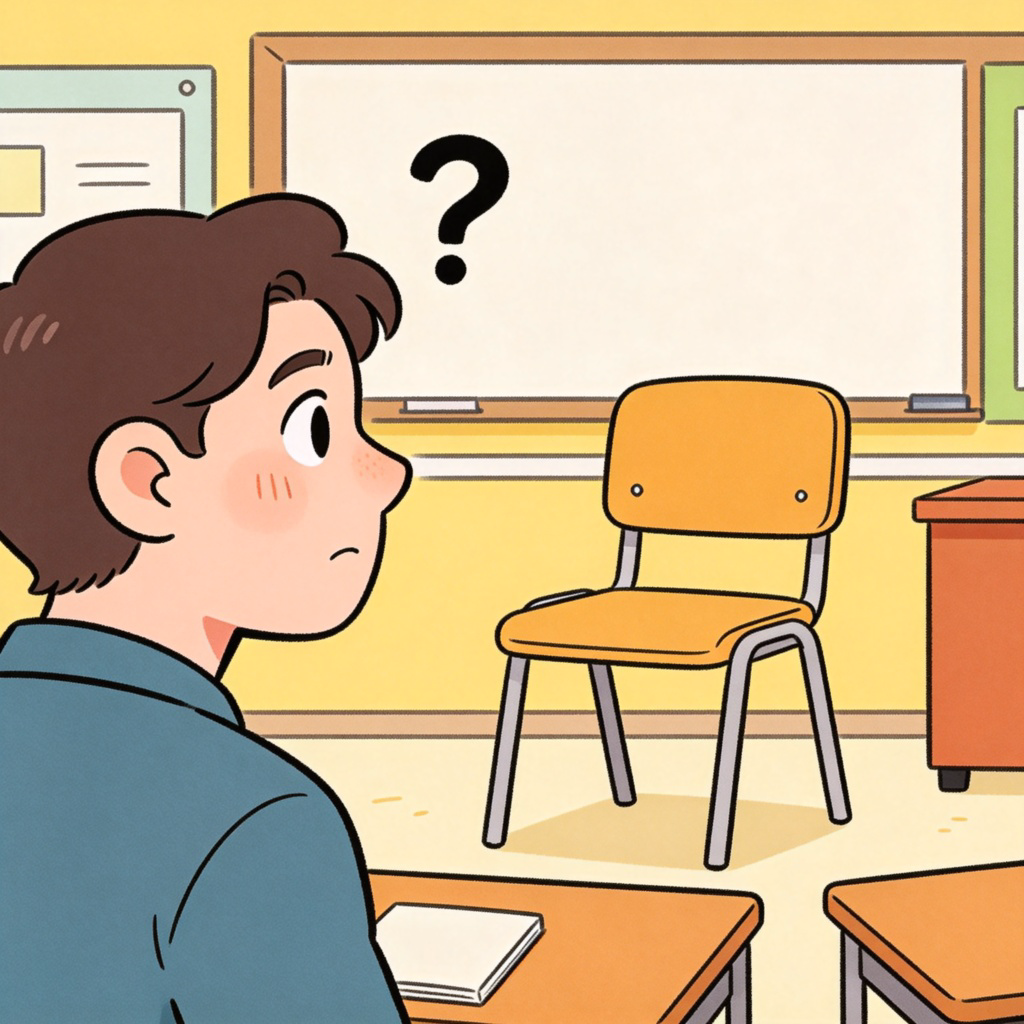
A person with a confused expression, looking towards an empty chair or a silhouette, with a question mark above their head. Simple, cartoonish style, bright colors. The scene feels like a classroom or a casual meeting. The main focus is the person's questioning expression and the empty spot they are looking at.
🔊
shéi
名词
这是最常用的意思。当你想知道一个人的身份、名字,或者在谈论某个人却不知道他/她是谁时,就用它来提问。
📁 分类:School Education 🔖 等级:初级

📘 详细信息

📖 词根拆解
来自古英语的‘hwā’,意思就是‘’。它是个非常古老的词,是英语里用来提问和指代人的核心词语,没有更复杂的词根拆解。
💡 联想技巧
谐音法:听起来像中文的‘胡’,想象你指着一个人的胡子问:‘胡(who)子是的?’这样就把提问‘’和发音联系起来了。
📖 例句
The teacher asked, "Who can answer this question?" 🔊 老师问:“能回答这个问题?”
🔗 固定搭配
Who is...? – ……是谁?(用于询问身份)
who knows – 谁知道呢(表示不确定)
🔄 同义词
which person (phr.) – 哪个人(含义非常接近,但更强调从一群人中选出一个)
🚫 反义词
🌱 派生词
whoever (pron.) – 无论是谁;任何人
📖 文化故事
想象一个神秘的匿名侦探,他的每次出现都伴随着一个悬而未决的谜题。古英语时代,人们迫切需要一句话来敲开秘密的大门--“在那里?”这个词‘hwā’便应运而生,成为所有探索人、确认身份故事的起点,驱动了无数传说与历史的序幕。
who 🔊
/huː/
pron.
A word used in the middle of a sentence to connect it to a person we are describing.
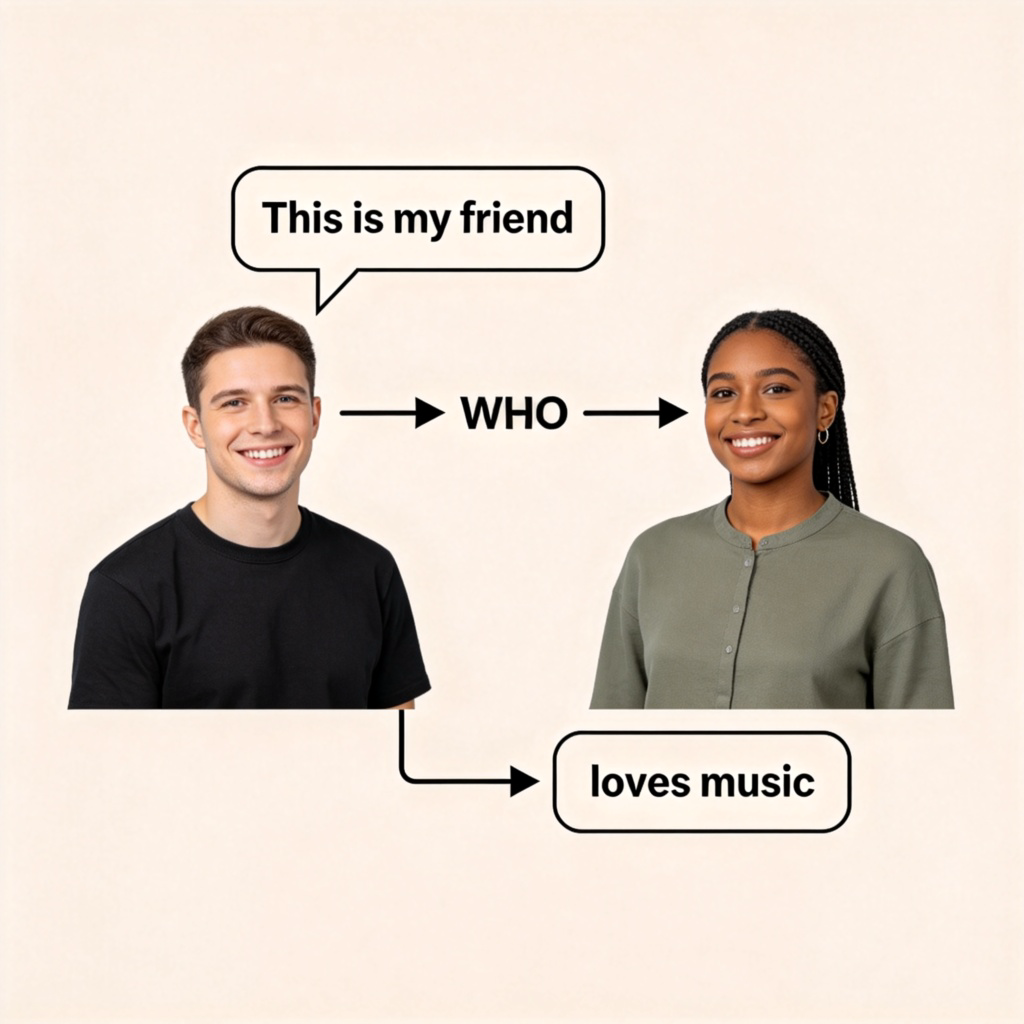
A simple diagram or cartoon showing two people. Next to one person is a speech bubble with a sentence ending. An arrow points from that person to the word "WHO", and then another arrow points from "WHO" to a second sentence that describes the first person, like "loves music". Clean lines, minimal background, educational poster style.
指代谁 🔊
zhǐ dài shéi
名词
用在句子中间,用来连接前后内容,告诉我们正在谈论的是哪一个人。它代替了前面提到过的那个人,并引出一句关于这个人的新信息。
📁 分类:Social Roles 🔖 等级:初级

📘 详细信息

📖 例句
My friend, who loves running, is training for a marathon. 🔊 我那个喜欢跑步的朋友,正在为马拉松训练。
🔗 固定搭配
the person who – 那个……的人
someone who – 某个……的人
🔄 同义词
that (pron.) – 那个(也可以指代人,但在非正式语境中更常用,且不一定只指人)
🚫 反义词
🌱 派生词
whoever (pron.) – 无论是谁;任何人
Wordbook
字体色:
背景色:
您的数据已保存在此浏览器中