阅读主题:
reader 含义解析:读者与阅读器的区别及用法 (共2个含义)
含义1:读者 (reader)
reader
/ˈriːdər/
n.
A person who reads, especially someone who reads books or articles regularly.

读者
➕
dú zhě
n.
指一个阅读书籍、杂志、文章等文字材料的人,尤其指有阅读习惯的人。
📘 详细信息与用法拓展
📖 词根拆解
来自动词 'read'(读),加上 '-er' 这个后缀。'-er' 常表示 '做...的人',比如 'teacher'(教书的人),'driver'(开车的人)。所以 'reader' 就是 '阅读的人'。
💡 联想技巧
联想:**Read(读)的人**。就像 'Teach(教)的人' 叫 Teacher,'Drive(开车)的人' 叫 Driver。很简单,'Reader' 就是那个在 'Reading(阅读)' 的人。
📖 例句
My son is an avid reader who enjoys a good story before bedtime.
我儿子是个热爱阅读的人,喜欢在睡前读个好故事。
🔗 固定搭配
an avid reader – 热爱阅读的人,书迷
target reader – 目标读者
🔄 同义词
bookworm (n.) – 书虫,非常爱读书的人(更口语化)
🚫 反义词
non-reader (n.) – 不阅读的人
🌱 派生词
readership (n.) – 读者群;读者人数
📖 文化故事
想象一个没有图书馆,甚至没有纸的年代。知识的火种只在极少数人手中传递,他们可能是在昏暗烛光下解读羊皮卷的僧侣,或是为君王朗读战报的使者。这个角色的力量不在于发出声音,而在于他能将沉默的符号转化为生动的故事、重要的信息和流传的思想。从古代的 '朗读者' 到现代的 '读者',这个身份是如何从少数人的特权,变成每个人都能拥有的钥匙,开启无数世界的大门?
含义2:阅读器 (reader)
reader
/ˈriːdər/
n.
A device or piece of software used for reading digital books or documents.
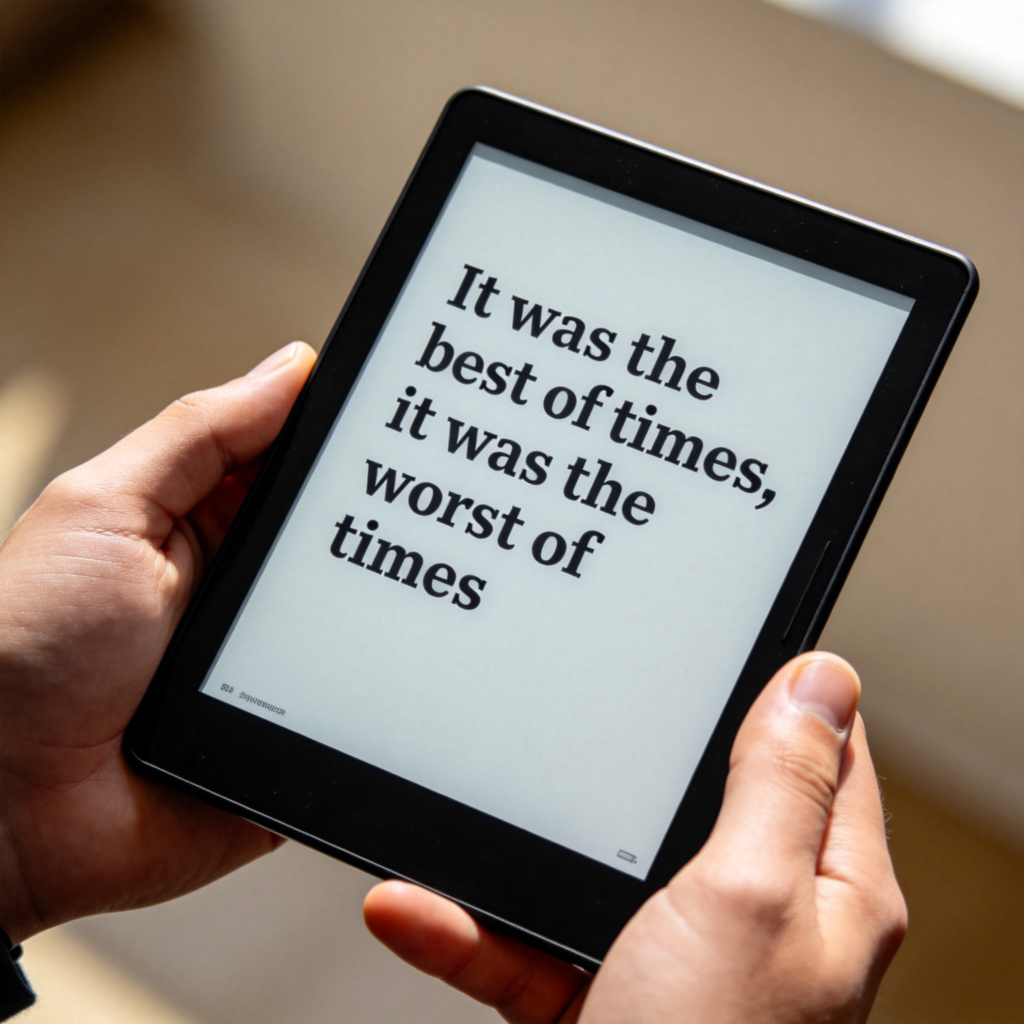
阅读器
➕
yuè dú qì
n.
一种专门用来阅读电子书或文件的设备或软件,比如电子阅读器。
📘 详细信息与用法拓展
📖 例句
I prefer using my e-reader to carry hundreds of books when I travel.
旅行时,我更喜欢用我的电子阅读器来携带数百本书。
🔗 固定搭配
e-reader – 电子阅读器
🔄 同义词
device (n.) – 设备,器具(更广泛的词)
Wordbook
您的数据已保存在此浏览器中