阅读主题:
people 含义详解:从‘人们’到‘民族’的用法 (共2个含义)
含义1:人们 (people)
people
/ˈpiːpl/
n.
Human beings in general; a group of men, women, and children.

人们
➕
rén men
n.
指的就是你、我、他,我们所有人,当大家聚在一起的时候。它泛指人类,或者某个地方的居民、一群人。
📘 详细信息与用法拓展
📖 词根拆解
这个词来自拉丁语‘populus’,意思就是‘人民’。它的核心意思就是‘人’的复数形式,指一个群体,而不是单个的人(person)。
💡 联想技巧
联想谐音‘皮包’。想象一群人(people),每个人都拿着一个‘皮包’(谐音),在车站排队。画面感就出来了:一群拿皮包的人。
📖 例句
In the park, you can see people walking their dogs, children playing, and friends having picnics.
在公园里,你可以看到人们在遛狗、孩子们在玩耍、朋友们在野餐。
🔗 固定搭配
young people – 年轻人
many people – 许多人
ordinary people – 普通人
🔄 同义词
folk (n.) – 人们(更口语化、亲切)
individuals (n.) – 个人、个体(强调单独的每一个人)
🚫 反义词
individual (n.) – 个人、个体(与群体相对)
📖 文化故事
想象你站在古罗马广场,法官在演讲台上慷慨激昂。台下一片寂静,无数双眼睛正注视着他。这群沉默的观众拥有着最终的决定权,他们的集体意志,被一个古老的拉丁词语所定义--‘populus’。这个词,如何穿越千年,变成了我们今天口中的‘people’?
含义2:民族 (people)
people
/ˈpiːpl/
n.
A community of people who share the same culture, history, language, or religion.
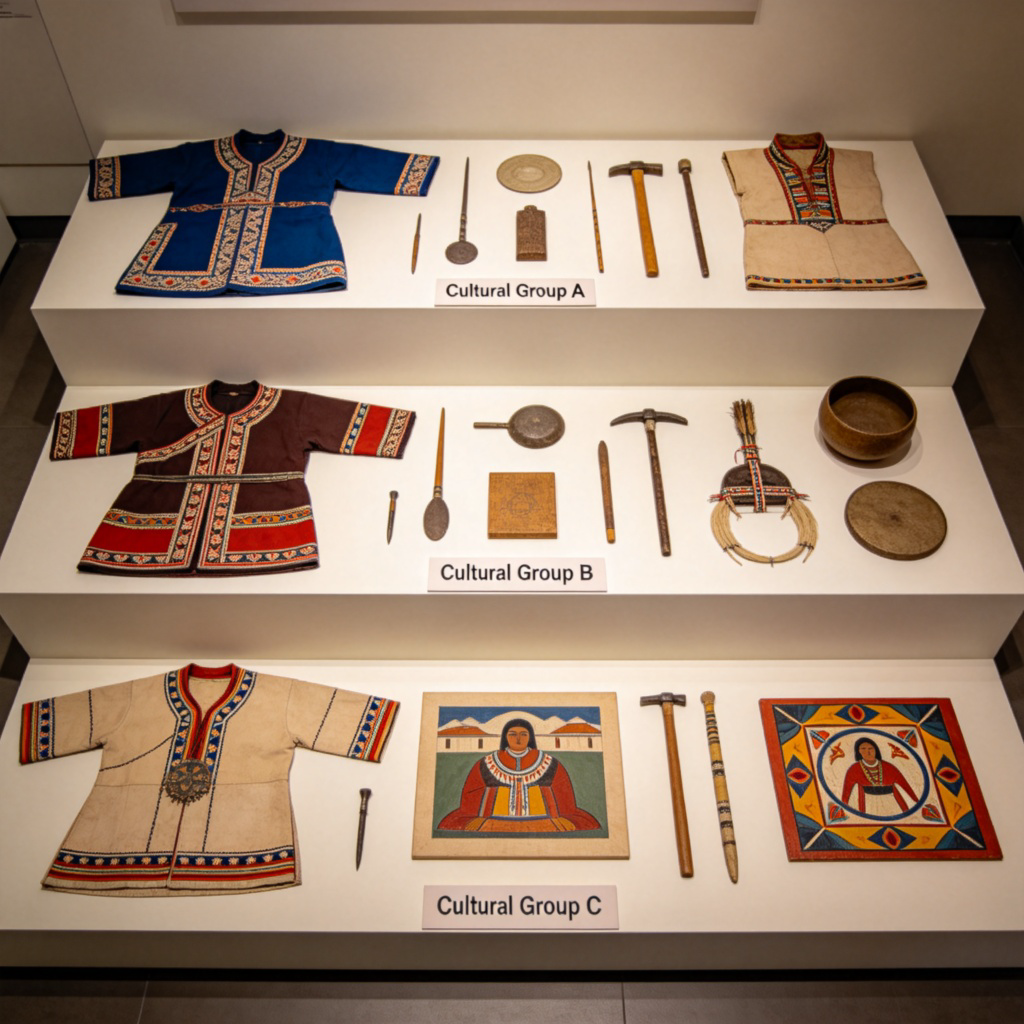
民族
➕
mín zú
n.
一群有相同历史、语言、文化的人,就像一个大家庭。比如‘中华民族’就是由很多个‘民族’组成的。
📘 详细信息与用法拓展
📖 例句
China is a country with 56 different ethnic groups, and each people has its own unique traditions and festivals.
中国是一个拥有56个不同民族的国家,每个民族都有自己独特的传统和节日。
🔗 固定搭配
indigenous people – 原住民
a brave people – 一个勇敢的民族
🔄 同义词
ethnic group (n.) – 族群(更学术化的说法)
nation (n.) – 民族、国家(常指有政治组织的群体)
Wordbook
您的数据已保存在此浏览器中