阅读主题:
party 的准确含义与常见用法解析
含义1:政党 (party)
party
/ˈpɑːti/
n.
An organization of people who share the same political ideas and goals.
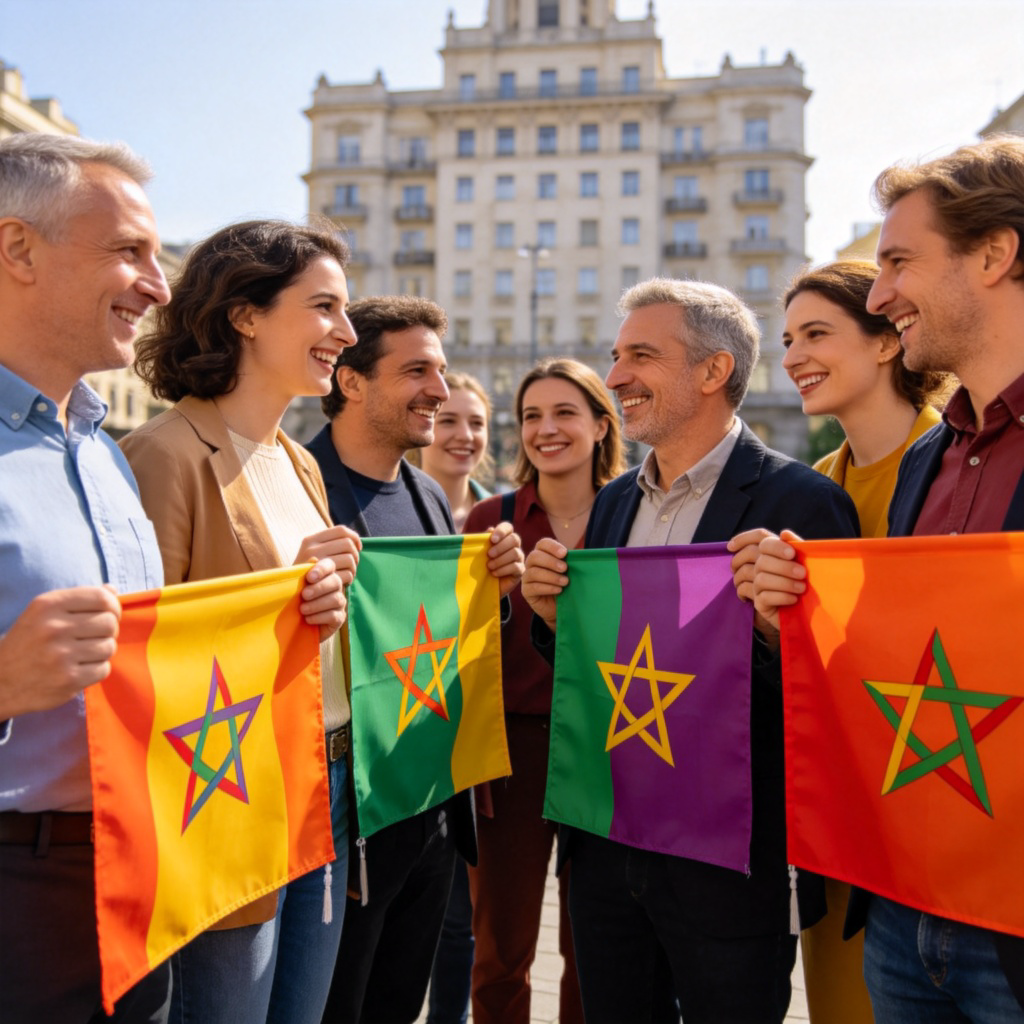
政党
➕
zhèng dǎng
n.
指一个有相同政治信仰和目标的人组成的组织,通常在政府中活动。
📘 详细信息与用法拓展
📖 词根拆解
来自拉丁语 'partire',意为'分割'。可以想象成把人群分成不同部分,每个部分就是一个'党派'或'团体'。
💡 联想技巧
谐音'怕踢'。在政治党派里,成员们怕被'踢'出局,所以团结一致。也可以想象一个团队(team)聚会(party),大家有共同目标。
📖 例句
In the election, she supported the party that focused on environmental protection.
在选举中,她支持专注于环境保护的政党。
🔗 固定搭配
political party – 政党
opposition party – 反对党
party leader – 政党领袖
🚫 反义词
independent (n.) – 独立人士,不属于任何政党的人
🌱 派生词
partisan (adj./n.) – 党派性的;狂热的党派支持者
📖 文化故事
在17世纪的伦敦咖啡馆里,人们窃窃私语,争论着谁应该统治国家。这些秘密聚会的人需要一个词来称呼自己的小团体--于是,'party'从表示简单的'部分',戏剧性地变成了代表政治力量的组织。随着辉格党与托利党的激烈对立,这个词彻底改变了政治游戏的规则。
Wordbook
您的数据已保存在此浏览器中