阅读主题:
语言:
mean - 基础词汇详解 (共5个含义)
mean
/miːn/
v.
to have something in your mind as a plan or a purpose.

打算
➕
dǎ suàn
动词
指你心里想做什么事,有什么目的。比如,“我打算明天去公园”,就是心里有计划了。
📘 详细信息
📖 词根拆解
“mean” 来自古英语的 “mænan”,意思是“思考、打算、意味着”。它的核心是和“想法”与“目的”有关的。
💡 联想技巧
谐音“米恩”。我打算(mean)把米存起来,真是个吝啬(mean)的人。这样我就能记住“打算”和“吝啬”这两个最常见的意思了。
📖 例句
I didn't mean to interrupt your conversation; I just wanted to ask for the time.
我并不是打算打断你们的谈话,我只是想问一下时间。
🔗 固定搭配
mean to do something – 打算做某事
mean well – 本意是好的
be meant for – 注定适合;是为…准备的
🔄 同义词
intend (v.) – 计划,想要(做某事)
plan (v.) – 计划
🚫 反义词
🌱 派生词
meaning (n.) – 意思,含义
meaningful (adj.) – 有意义的
meant (v. (past)) – mean的过去式和过去分词
📖 文化故事
想象一下,在还没有‘平均数’这个概念的时候,一群商人聚在一起争论谁的货更好。一个人说‘我的苹果最甜’,另一个人反驳‘我的最便宜’。这时,一个聪明的老人站出来说:‘让我们找“中间”的那个吧。’这个‘中间’的寻找过程,正是‘mean’从‘意图’到‘平均值’的奇妙转变。
mean
/miːn/
v.
not willing to give or share things, especially money; ungenerous.

吝啬的
➕
lìn sè de
动词
形容一个人很小气,不愿意花钱,像守财奴一样。一分钱都不想多花。
📘 详细信息
📖 例句
My uncle is so mean; he still uses the same old phone from ten years ago and refuses to buy a new one.
我叔叔非常吝啬;他还在用十年前的那部旧手机,拒绝买新的。
🔗 固定搭配
be mean with money – 对钱很吝啬
🔄 同义词
stingy (adj.) – 小气的,吝啬的
miserly (adj.) – 守财奴似的,极度吝啬的
🚫 反义词
generous (adj.) – 慷慨的,大方的
🌱 派生词
meanness (n.) – 吝啬;刻薄
mean
/miːn/
v.
found by adding all the numbers in a set together and dividing by how many numbers there are.
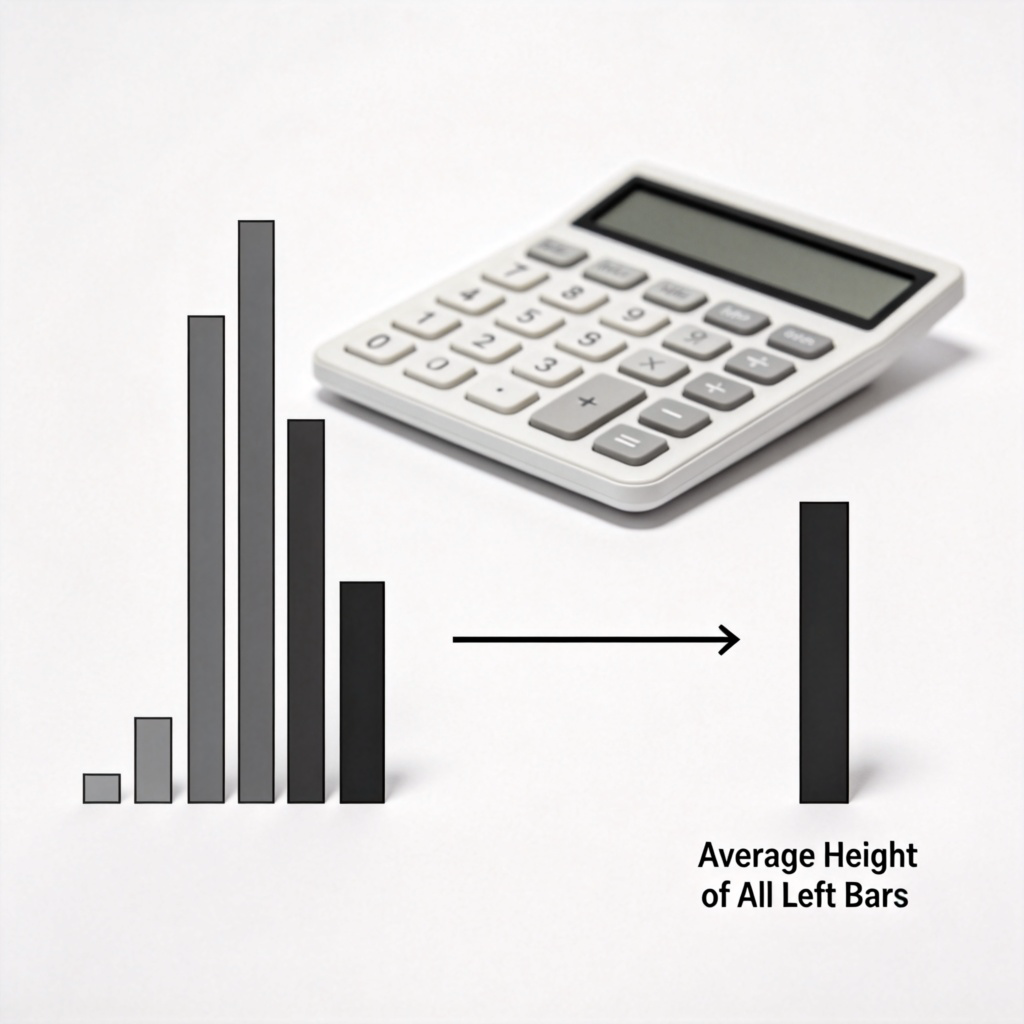
平均的
➕
píng jūn de
动词
在数学里,指的是把一堆数字加起来,然后除以它们的个数得到的那个值,也就是“平均数”。
📘 详细信息
📖 例句
To calculate the mean score of the class, add all the test results and divide by the number of students.
要计算班级的平均分数,就把所有考试成绩加起来,然后除以学生人数。
🔗 固定搭配
the mean score – 平均分
calculate the mean – 计算平均值
🔄 同义词
average (n./adj.) – 平均数;平均的
🚫 反义词
🌱 派生词
mean
/miːn/
v.
unkind or unpleasant, especially by saying or doing hurtful things to others.

刻薄的
➕
kè bó de
动词
形容一个人对别人不好,说话或做事很伤人,不友善。
📘 详细信息
📖 例句
It was really mean of him to laugh at her new haircut in front of everyone.
他在大家面前嘲笑她的新发型,真是太刻薄了。
🔗 固定搭配
say mean things – 说刻薄的话
don't be mean – 别这么刻薄
🔄 同义词
unkind (adj.) – 不友善的
nasty (adj.) – 恶意的,令人不快的
🚫 反义词
kind (adj.) – 善良的,友好的
🌱 派生词
meanness (n.) – 刻薄;吝啬
mean
/miːn/
v.
the average value that you get by adding numbers together and dividing by how many there are.
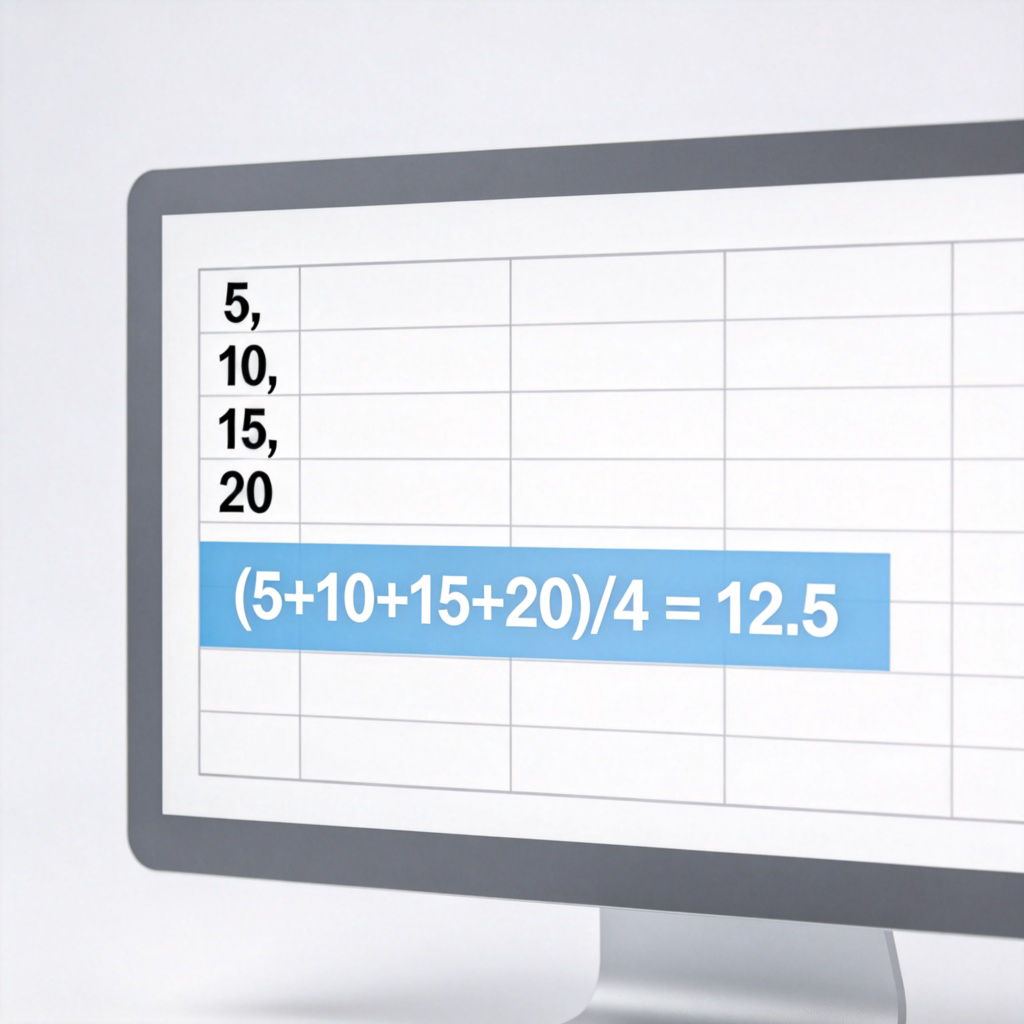
平均数
➕
píng jūn shù
动词
这是“平均的”这个意思的名词形式,专指计算出来的那个“平均值”本身。
📘 详细信息
📖 例句
The mean of 2, 4, and 9 is 5.
2、4和9的平均数是5。
🔗 固定搭配
find the mean – 求平均数
above/below the mean – 高于/低于平均值
🔄 同义词
average (n.) – 平均数
🚫 反义词
🌱 派生词
Wordbook
您的数据已保存在此浏览器中