阅读主题:
lunch 含义详解:名词与动词用法全解析 (共2个含义)
含义1:午餐 (lunch)
lunch
/lʌntʃ/
n.
A meal eaten in the middle of the day, usually lighter than dinner.
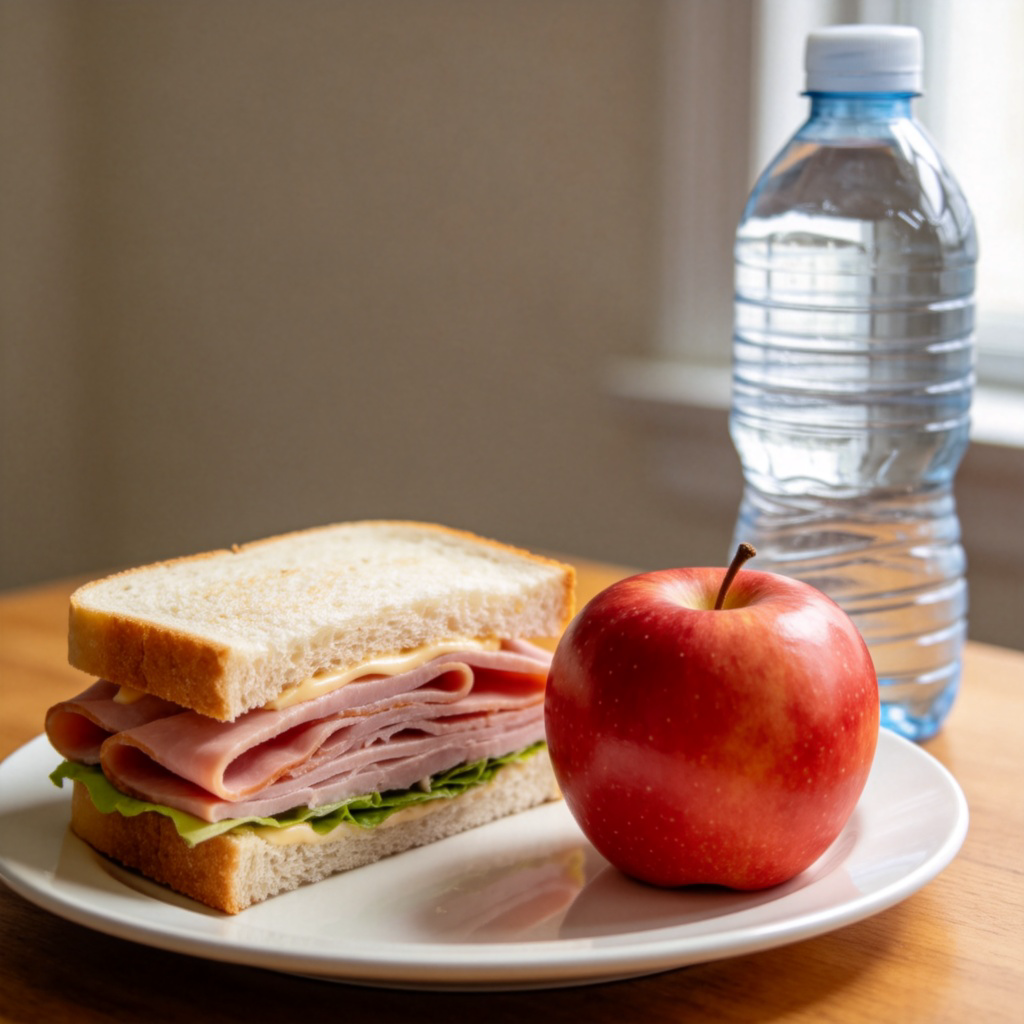
午餐
➕
wǔ cān
n.
指在中午吃的一顿饭,通常不如晚餐正式,量也比晚餐少一些。
📘 详细信息与用法拓展
📖 词根拆解
这个词源自古英语‘nuncheon’,字面意思是‘少量食物’(noon + drink)。后来省略了‘noon’,并逐渐特指中午吃的‘少量餐食’。
💡 联想技巧
联想谐音:‘来啊,吃!’中午一到,肚子咕咕叫,就喊朋友‘来啊,吃(lun-ch)午饭啦!’画面感很强。
📖 例句
I always bring a sandwich and an apple for my lunch to save money.
我总是带一个三明治和一个苹果当午餐,为了省钱。
🔗 固定搭配
have lunch – 吃午饭
packed lunch – 自带的盒饭/午餐
🔄 同义词
midday meal (n.) – 正午的餐食,是‘lunch’更正式的说法。
📖 文化故事
想象一下18世纪的英国,有钱人一天吃两顿大餐,上午一顿,晚上一顿。中午呢?他们要么不吃,要么随便吃点冷食垫肚子。然而,随着工业革命到来,工人们早上出门,晚上才能回家,漫长的白天里饿得前胸贴后背。就在这时,一个聪明的念头出现了:为什么不能堂堂正正地在中间吃一顿饭呢?就这样,‘午饭’开始打破阶层的隔阂,从偷偷摸摸的‘加餐’变成了人人享有的日常仪式。
含义2:吃午餐 (lunch)
lunch
/lʌntʃ/
n.
To eat lunch, especially at a particular place or with someone.

吃午餐
➕
chī wǔ cān
n.
作为一个动词,意思是‘吃午饭’这个动作。
📘 详细信息与用法拓展
📖 例句
Let's lunch at that new café near the park tomorrow.
我们明天去公园附近那家新咖啡馆吃午饭吧。
🔗 固定搭配
lunch out – 外出吃午餐(不在家或公司吃)
🔄 同义词
have lunch (v. phrase) – 吃午饭,与动词‘lunch’意思相同。
🚫 反义词
skip lunch (v. phrase) – 不吃午饭,跳过午餐
Wordbook
您的数据已保存在此浏览器中