阅读主题:
语言:
leave - 基础词汇详解 (共2个含义)
leave
/liːv/
v.
To go away from a place or person.

离开
➕
lí kāi
动词
指从一个地方或某人身边走开,去到别处。比如离开家去上学,离开座位去拿东西。
📘 详细信息
📖 词根拆解
来自古英语“lǣfan”,意思是“允许”或“离开”。它和我们今天说的“allow(允许)”有些关系,比如允许自己“离开”某个地方。
💡 联想技巧
联想谐音:“离屋”。想象你‘离’开‘屋’子(leave)的场景。发音和意思直接挂钩,非常形象。
📖 例句
I waved goodbye and leave the house to drive to work.
我挥手告别,然后离开家开车去上班。
🔗 固定搭配
leave for – 动身前往(某地)
leave early – 提早离开
🔄 同义词
depart (v.) – 正式地离开,常用于交通场合(如飞机、火车离站)。
go (v.) – 表示“去”的通用词,语气比leave更随意、宽泛。
🚫 反义词
arrive (v.) – 到达,抵达某个地方。
stay (v.) – 停留,留在原处。
🌱 派生词
leaving (n.) – 离开的行为或时刻;复数可指‘剩余物’
📖 文化故事
想象一下,在没有手机的古代,一次告别可能意味着永别。那时人们常说“God be with you”,后来简化为“Goodbye”。单词“leave”就扎根于这种不确定性中--一旦你“leave”(离开),没人知道你是否还会回来,或者事情会被你留在身后,结局充满了悬念。
leave
/liːv/
v.
To not take something with you when you go away; to let something remain.
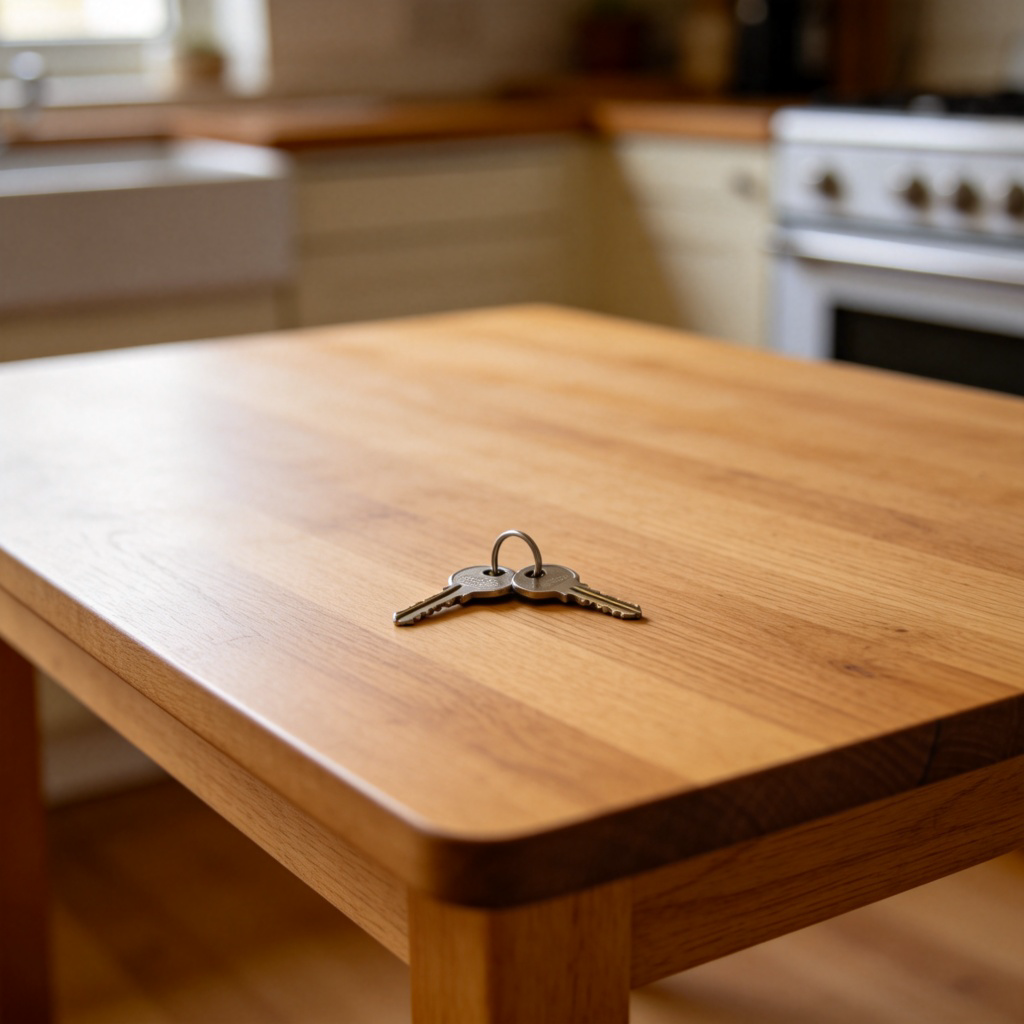
留下
➕
liú xià
动词
指让某物或某人保持在原来的位置或状态,不带走或不改变。比如把书留在桌上,或者把朋友留在电影院门口。
📘 详细信息
📖 例句
Don't leave your umbrella at my house again; it might rain tomorrow!
别再又把你的伞忘在我家了,明天可能会下雨!
🔗 固定搭配
leave behind – 遗忘;留下(不带走的)
leave a message – 留言
🔄 同义词
forget (v.) – 忘记,指无意中没带走某物,语气上更强调‘不记得’。
🚫 反义词
take (v.) – 拿走,携带。
🌱 派生词
left (adj.) – 剩下的,留下的(如 left-over food 剩饭)
Wordbook
您的数据已保存在此浏览器中