阅读主题:
语言:
itself - 基础词汇详解 (共2个含义)
itself
/ɪtˈself/
pron.
Used to emphasize that you are talking about that one thing and nothing else.
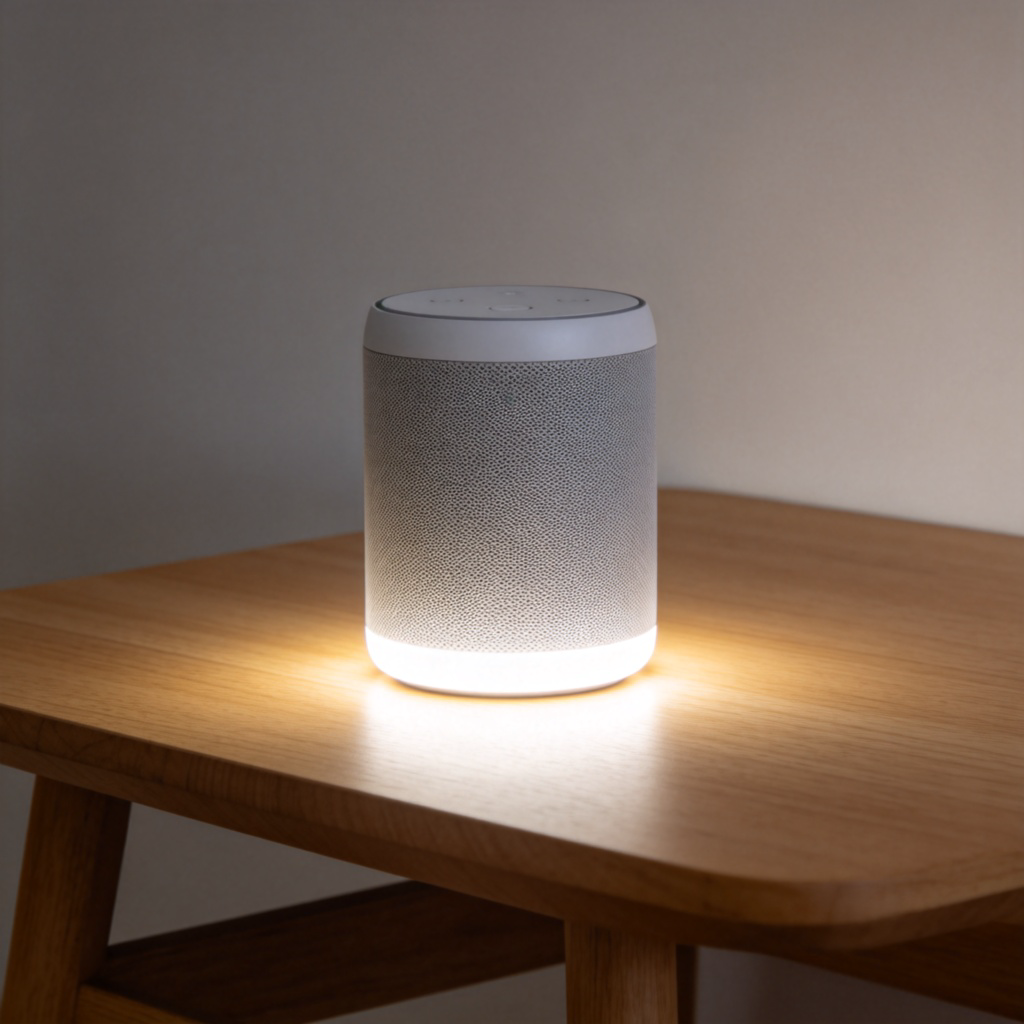
自身
➕
zì shēn
名词
用在主语或宾语后,用来强调就是这个东西本身,而不是别的。
📘 详细信息
📖 词根拆解
由基本的代词‘it’(它)和表示‘自己’的后缀‘-self’组合而成,意思就是‘它自己’。简单说,就是给‘it’加上‘自己’的魔法,让它回头指向自己。
💡 联想技巧
**联想谐音/画面:It SELFie!** 想想“自拍”(selfie)。自拍就是“自己”拍“自己”。把“itself”拆开看:**it(它)** 拿起了手机,拍了一张 **selfie(自拍)**,所以“它”拍的就是“它自己”(itself)。记住这个画面:一个东西在给自己自拍!
📖 例句
The itself of the problem is very simple, even if the details are messy.
这个问题本身很简单,即便细节很混乱。
🔗 固定搭配
in itself – 就其本身而言(不考虑其他因素)
by itself – 自动地;单独地(无需外力或陪伴)
🔄 同义词
personally (adv.) – 亲自;就个人而言(常用于强调个人角度)
as such (phrase) – 照此;就其本身而论(指上文提到的那个样子)
🚫 反义词
🌱 派生词
📖 文化故事
想象一下,在很久以前的西方语言里,一个简单的问题难倒了学者:当一句话的主语和宾语是同一个东西时,该如何表达才不显得笨拙?比如,‘猫看见了猫’。如果只说‘The cat saw the cat’,听起来像是两只不同的猫在互相看。语言需要一个神奇的‘镜子’,让‘它’能看见自己。于是,‘it’和‘self’这两个古老的词组合在一起,创造出了‘itself’--这面语法上的镜子,完美解决了这个指代难题,让句子从此有了清晰的逻辑。
itself
/ɪtˈself/
pron.
Used as the object of a verb or preposition when the subject and object are the same thing.
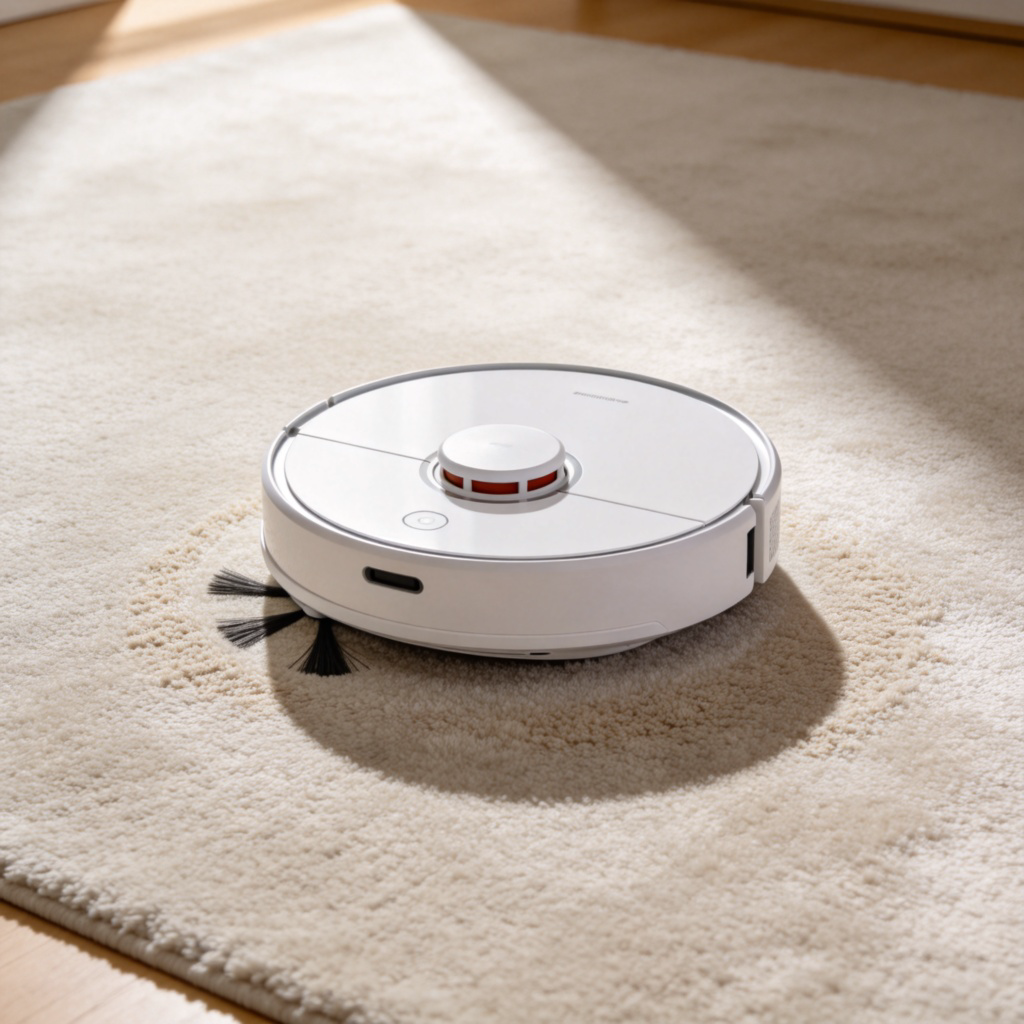
它自己
➕
tā zì jǐ
名词
当句子中动作的发出者(主语)和承受者(宾语)是同一个事物时,用“itself”作宾语,表示动作作用于自己。
📘 详细信息
📖 例句
The new AI cleaning robot can charge itself when its battery is low.
新的AI清洁机器人在电量低时可以自己充电。
🔗 固定搭配
see for itself – 亲眼所见(指某物自己去见证)
🔄 同义词
on its own (phrase) – 独自地,靠自己(强调独立性)
🚫 反义词
🌱 派生词
Wordbook
您的数据已保存在此浏览器中