阅读主题:
happen 用法详解:含义、例句与常见错误
含义1:发生 (happen)
happen
/ˈhæpən/
v.
to take place or come into being; used to describe an event occurring.
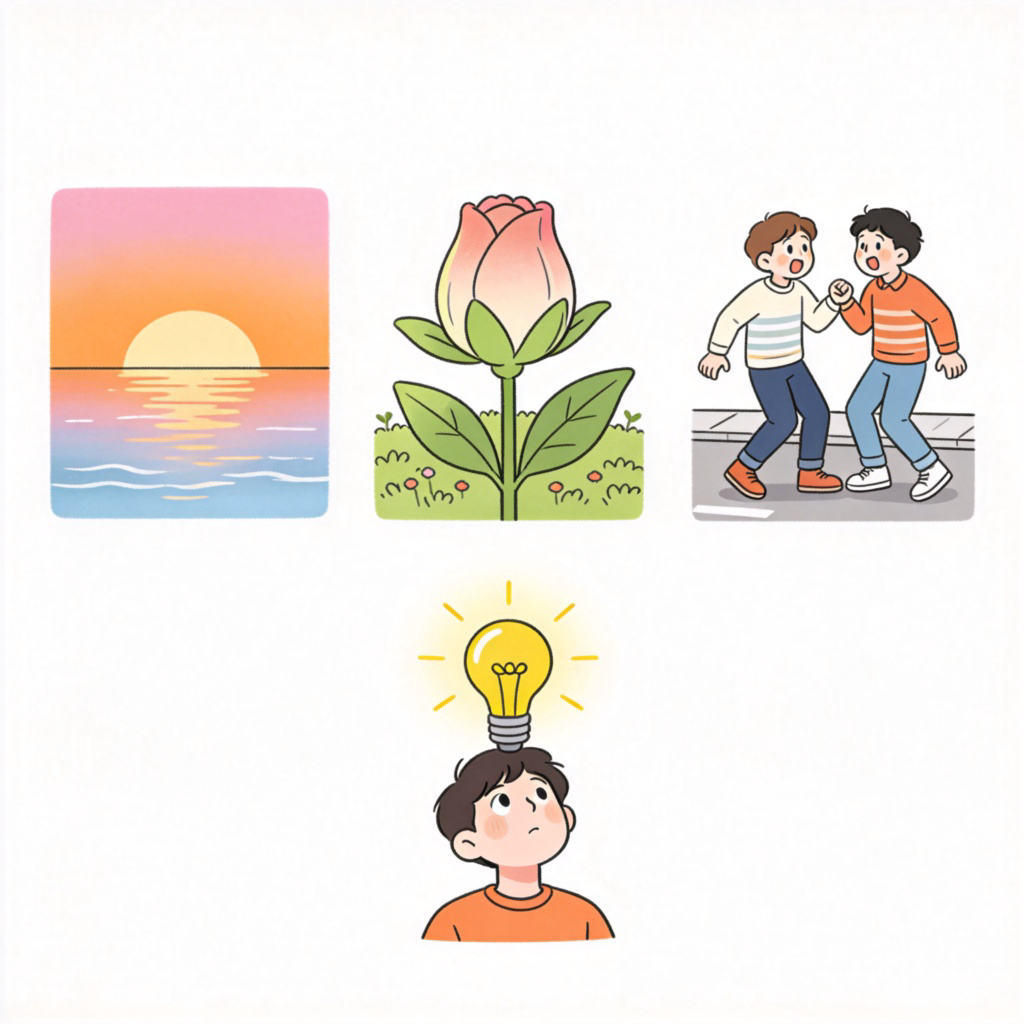
发生
➕
fā shēng
v.
用来描述一件事,出现了,或者开始了。不一定是计划好的,很多是自然或偶然的。简单说就是“这事出了/这事儿来了”。
📘 详细信息与用法拓展
📖 词根拆解
源自古英语 'gehæpnian',意思是 '发生,降临'。词根 'hap' 与 '机会'、'运气' 有关,常用来描述没有明确原因或计划的事件。
💡 联想技巧
联想技巧:想象你走在路上,突然 **Hap(哈)!pen(碰)** 上了一件意想不到的事!比如:“哈!碰(happen)到了老朋友!” 画面就是一个孩子惊喜地指着突然出现的冰淇淋车。
📖 例句
We were lost in the old town when we happened upon a tiny dessert shop with the best cake I've ever tasted.
我们在老城区迷路时,偶然发现了一家小小的甜品店,那里的蛋糕是我吃过最好吃的。
🔗 固定搭配
happen to do something – 碰巧做某事
as it happens – 碰巧,事实上
🔄 同义词
occur (v.) – 发生,较为正式,可用于事件、想法等。
take place (v. phrase) – 发生,常指有计划或有组织的事件。
🚫 反义词
prevent (v.) – 防止,阻止某事发生。
🌱 派生词
happening (n.) – 发生的事,事件
📖 文化故事
想象一下一千年前的一个集市,人们按照传统举办庆典。突然,天空毫无预兆地暗下来,一场猛烈的暴风雨席卷而来,打翻了货摊,冲散了人群。当时的人们无法像今天一样用科学预报天气,这种突如其来的变化,就被他们称作“happen”。这个词就这样带着一丝偶然和不可预知,流传至今。
Wordbook
您的数据已保存在此浏览器中