阅读主题:
flower 的含义、用法与常见搭配详解 (共2个含义)
含义1:花 (flower)
flower
/ˈflaʊ.ɚ/ (US) /ˈflaʊ.ər/ (UK)
n., v.
The colorful part of a plant that often smells nice and later produces fruit or seeds.
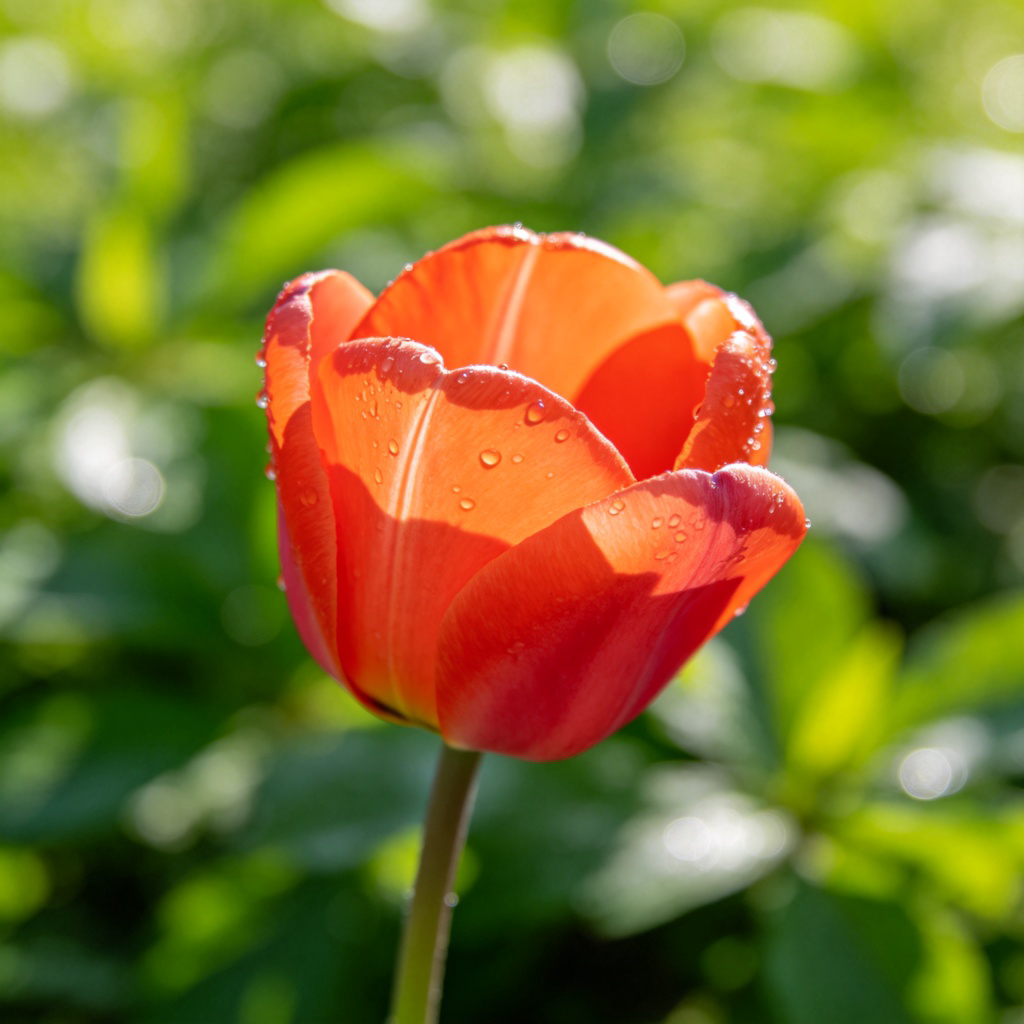
花
➕
huā
n., v.
指植物通常颜色鲜艳、会散发出香味、能结果实的那个部分。
📘 详细信息与用法拓展
📖 词根拆解
这个词来自古法语中的‘flour’,意思是‘开花’或‘花朵’,再往前可以追溯到拉丁语中的‘florem’(花朵,开花)或‘flos’(花)。
💡 联想技巧
谐音联想:‘福-佬儿’。想象一个有福气的老头儿(佬儿)正笑眯眯地坐在盛开的花丛中,幸福感满满。
📖 例句
She picked a bright yellow flower from the garden to put in her hair.
她从花园里摘了一朵鲜艳的黄花戴在头发上。
🔗 固定搭配
a bunch of flowers – 一束花
wild flower – 野花
to arrange flowers – 插花
🚫 反义词
weed (n.) – 杂草,通常是人们不希望在花园里生长的植物。
📖 文化故事
想象一场中世纪的法国婚礼,新娘头上戴的不是玫瑰花环,而是……面粉?没错,古法语的‘flour’(花朵)和‘fleur’(面粉)曾是同一个词,都源于谷物开花结穗的精华部分。后来,人们觉得给美丽的植物部分配上‘面粉’这个名字太奇怪了,于是这个词义发生了分化,走上了完全不同的道路。
含义2:开花 (flower)
flower
/ˈflaʊ.ɚ/ (US) /ˈflaʊ.ər/ (UK)
n., v.
When a plant produces flowers; to bloom.
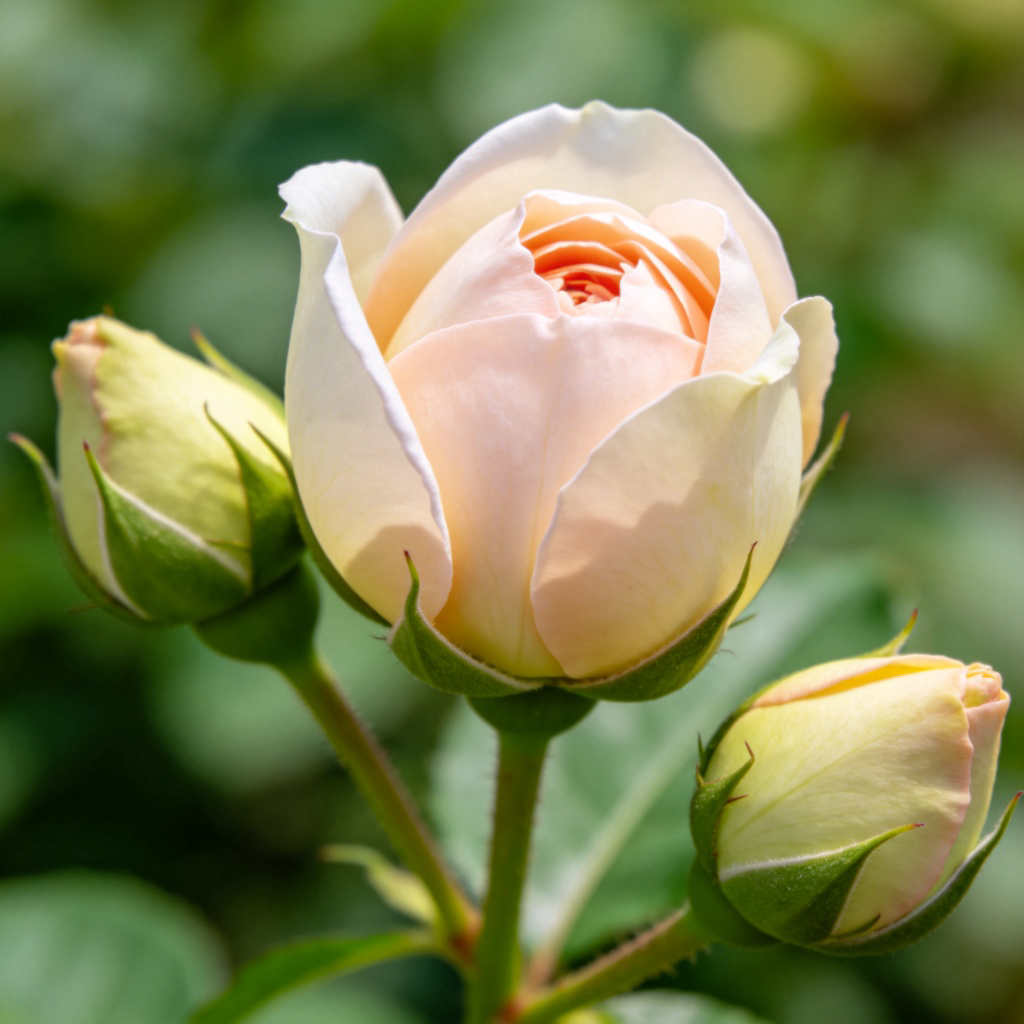
开花
➕
kāi huā
n., v.
指植物长出花朵的过程或状态。
Wordbook
您的数据已保存在此浏览器中