阅读主题:
costume 用法解析:装扮与服饰的双重含义 (共2个含义)
含义1:装扮 (costume)
costume
[ˈkɒstjuːm]
n.
Special clothes worn for a particular event or activity, to look like someone or something else.
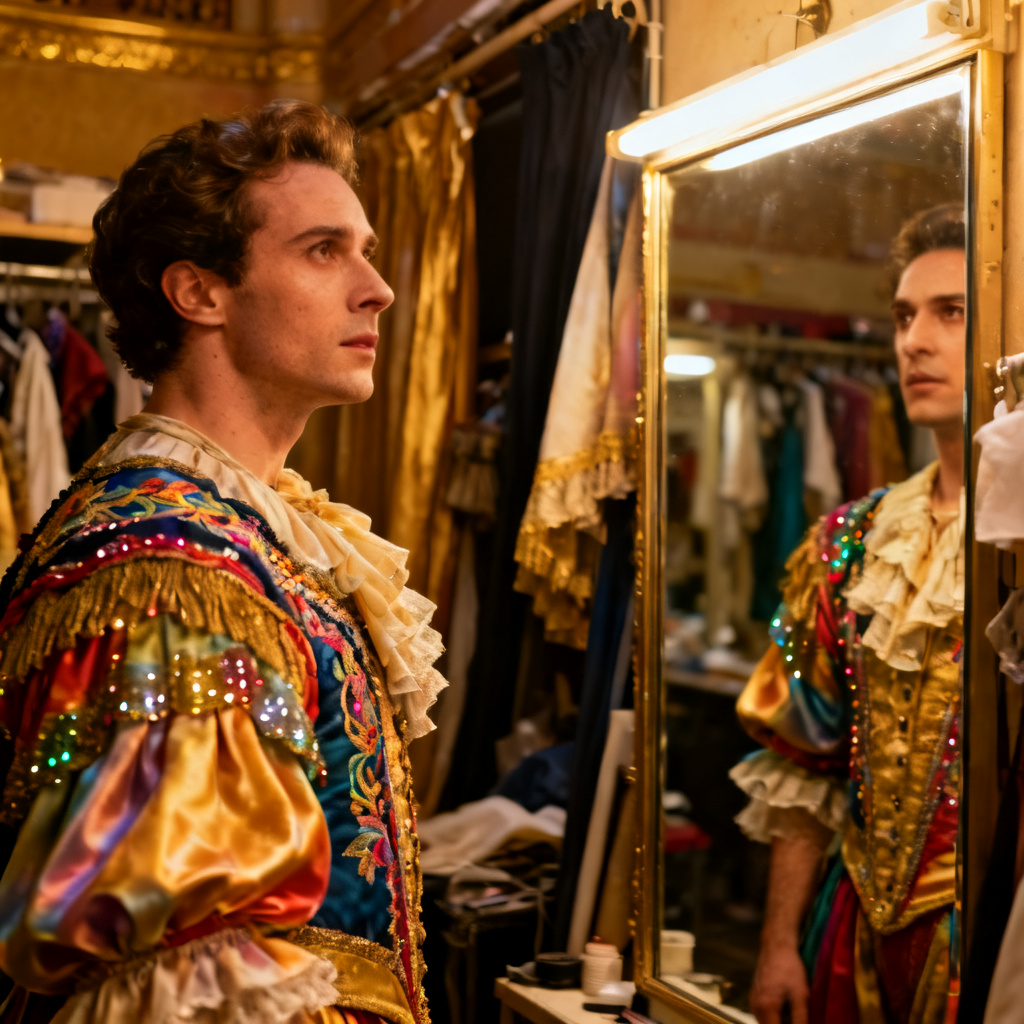
装扮
➕
zhuāng bàn
n.
为了特殊活动(如派对、表演、节日)或娱乐目的而穿的一套特别设计的衣服。它让你看起来像另一个人、动物或角色。
📘 详细信息与用法拓展
📖 词根拆解
来自拉丁语‘consuetudo’,意思是‘习俗、习惯’。可以理解成‘习惯穿的衣服’,后来特指为了特定场合或目的而穿的特殊衣服。
💡 联想技巧
谐音‘卡死丢么’。想象万圣节穿了一个特别紧的超级英雄服装,被‘卡死’了,然后把面具‘丢’了,问‘么?’(还穿吗?)。这个让你又卡又丢的衣服就是 costume(装扮)。
📖 例句
For the school party, she wore a pirate costume with an eye patch and a plastic sword.
为了学校的派对,她穿了一套海盗装扮,戴着一个眼罩,拿着一把塑料剑。
🔗 固定搭配
costume party – 化装舞会,要求客人穿着特殊服装的派对
wear a costume – 穿着戏服/装扮
in costume – 穿着戏服/装扮的(状态)
🔄 同义词
🚫 反义词
everyday clothes (n. phrase) – 日常便服,平时穿的衣服
🌱 派生词
costumed (adj.) – 穿着戏服的
📖 文化故事
想象一下古罗马时期,人们穿着宽大的长袍(toga)参加节日庆典,这正是‘习俗服装’的起源。后来随着戏剧和节庆的发展,这种专门为特定角色或活动准备的‘习惯性穿着’,逐渐演变成了我们今天熟悉的‘戏服’或‘装扮’。
含义2:服饰 (costume)
costume
[ˈkɒstjuːm]
n.
Clothes that are typical of a specific historical period or place.

服饰
➕
fú shì
n.
代表某个特定历史时期、地区或文化的服装。比如电影里古代人穿的衣服,或者某个国家传统节日里人们穿的民族服装。
📘 详细信息与用法拓展
📖 例句
The actors in the historical film wore beautiful 18th-century costumes made of silk and velvet.
那部历史电影里的演员们穿着用丝绸和天鹅绒制成的精美18世纪服饰。
🔗 固定搭配
period costume – 时代服饰,特定历史时期的服装
national costume – 民族服装
costume design – 服装设计(尤指戏剧、电影的)
🔄 同义词
🚫 反义词
modern clothes (n. phrase) – 现代服装
Wordbook
您的数据已保存在此浏览器中