阅读主题:
Antiquity 用法解析:三个核心含义与例句 (共3个含义)
含义1:古物 (antiquity)
antiquity
[ænˈtɪkwəti]
n.
An object or building from ancient times, often of historical or artistic value.
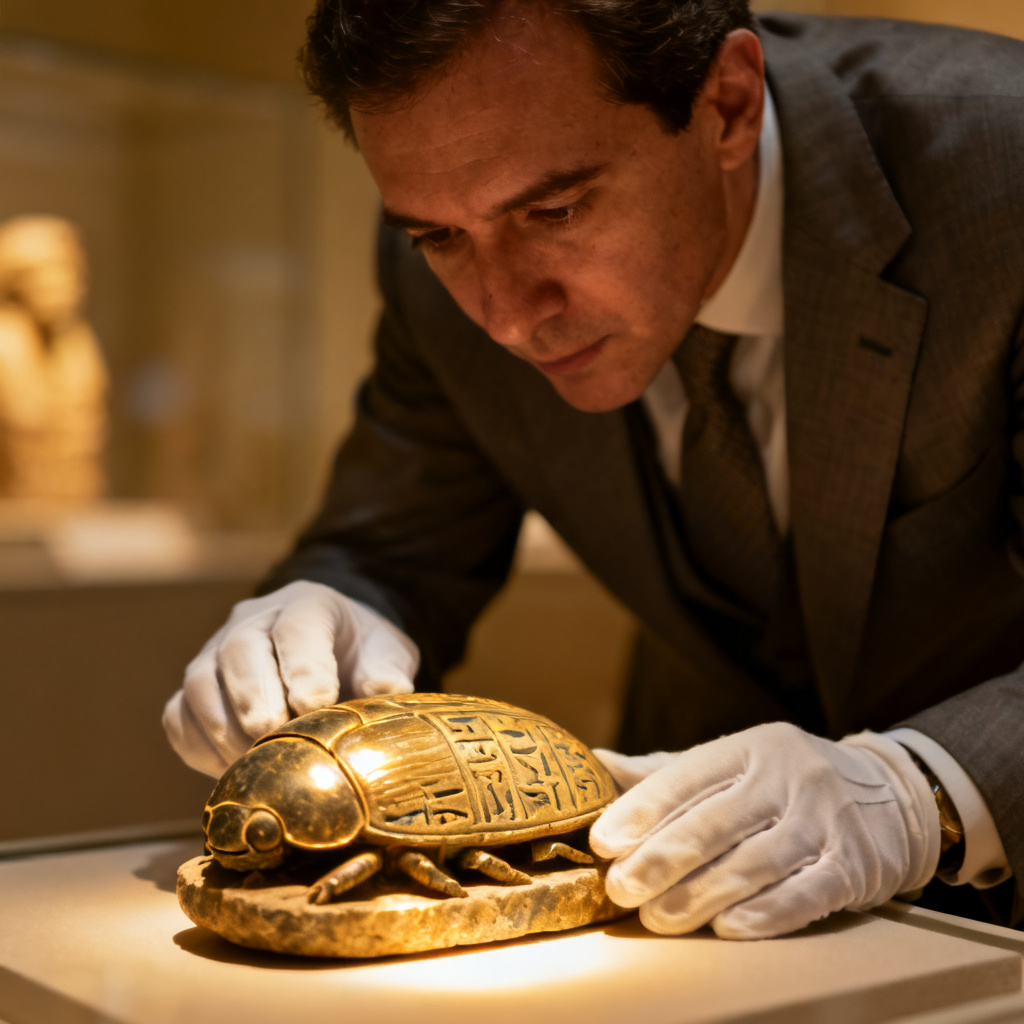
古物
➕
gǔ wù
n.
指从古代流传下来的、有历史价值的物品或艺术品,比如陶罐、雕塑、钱币、工具等。这些东西非常非常老了。
📘 详细信息与用法拓展
📖 词根拆解
这个词来自拉丁语。'anti-' 意思是 '在...之前','-quity' 部分和 'quality'(品质)有关。合起来,就是指 '以前就有的、有品质的东西',引申为 '古老'。
💡 联想技巧
联想谐音:'安提哭泣'(Anti-qui-ty)。想象一个叫'安提'的考古学家,当他挖出一件极其古老的宝贝时,激动得'哭泣'(quity)起来,因为他发现了'古物'(antiquity)。
📖 例句
The museum's most prized antiquity is a delicate clay pot from a lost civilization, displayed in a glass case.
博物馆最珍贵的古物是一个来自失落文明的精致陶罐,陈列在玻璃柜中。
🔗 固定搭配
Greek/Roman antiquity – 希腊/罗马古物
precious antiquity – 珍贵的古物
🚫 反义词
modernity (n.) – 现代性;现代的事物
🌱 派生词
antique (adj./n.) – 古老的;古董
📖 文化故事
想象一个罗马贵族,他站在自己宏伟别墅的废墟中,手里拿着一枚两千年前的钱币。他凝视着远方现代城市的摩天大楼,心中充满了困惑和骄傲的冲突--他那个辉煌的时代,如今在世人眼中仅仅是地图上的一个名字和博物馆里的几块石头。这个词便承载了这种跨越时间的重量和故事。它源于拉丁语‘antiquitas’,描述的就是这种‘遥远的过去’。
含义2:古代 (antiquity)
antiquity
[ænˈtɪkwəti]
n.
The ancient past, especially the period before the Middle Ages.
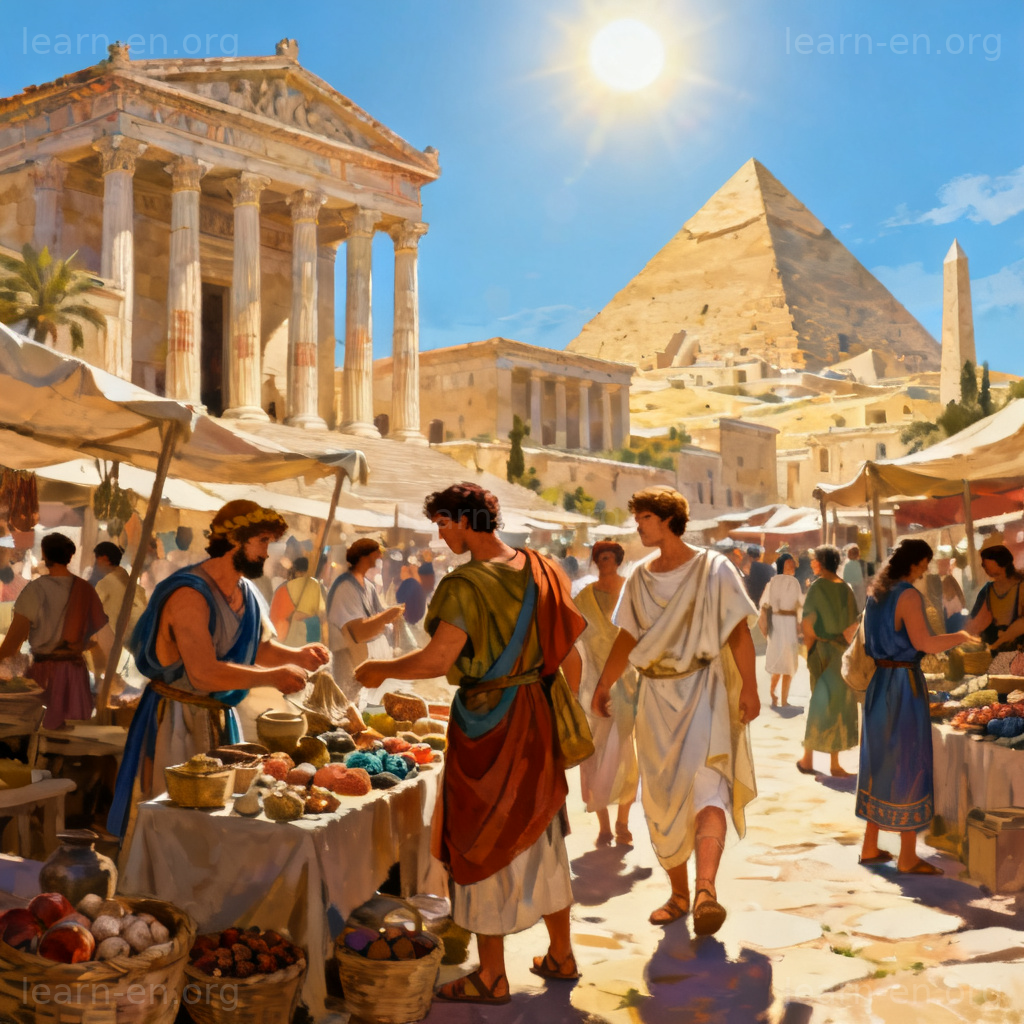
古代
➕
gǔ dài
n.
指非常遥远的过去,通常是几百年甚至几千年前的时代,比如古希腊、古罗马时期。
📘 详细信息与用法拓展
📖 例句
Many people believe that life in antiquity was simpler, but history shows it was complex and diverse.
许多人认为古代的生活更简单,但历史表明它是复杂多样的。
🔗 固定搭配
in antiquity – 在古代
reach back to antiquity – 追溯到古代
🔄 同义词
ancient times (n.) – 古代
olden days (n.) – 往昔,旧时(更口语化)
🚫 反义词
modern era (n.) – 现代
含义3:古迹 (antiquity)
antiquity
[ænˈtɪkwəti]
n.
An ancient building or site, especially one that is partly ruined and historically significant.
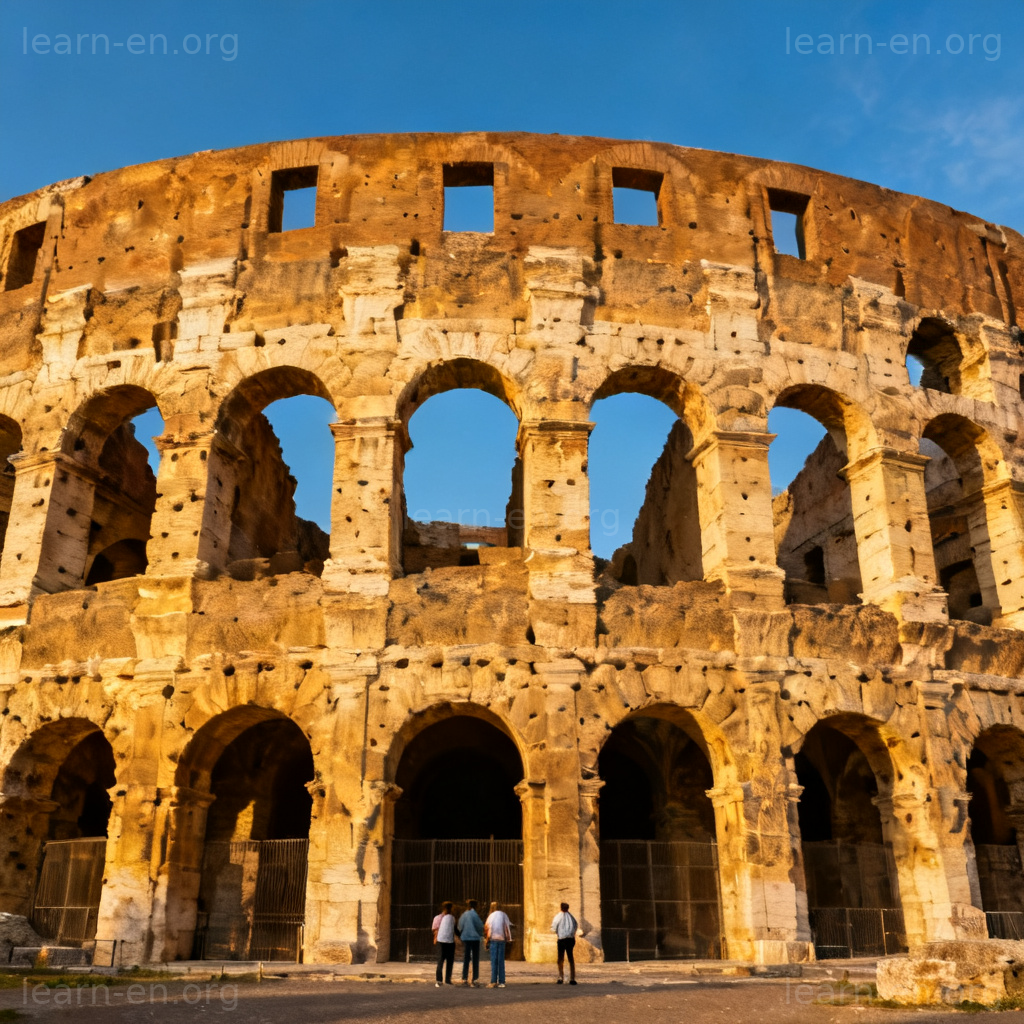
古迹
➕
gǔ jì
n.
特指古老的建筑或遗址,比如残破的庙宇、城堡、城墙等,这些是你能亲眼看到、触摸到的古代痕迹。
📘 详细信息与用法拓展
📖 例句
Tourists flock to Athens to see the antiquity of the Acropolis, standing majestically on the hill.
游客们蜂拥至雅典,只为目睹卫城那矗立在山上的宏伟古迹。
🔗 固定搭配
preserve an antiquity – 保护一处古迹
ancient antiquities – 古代遗迹
🔄 同义词
historic site (n.) – 历史遗址
ruins (n.) – 废墟,遗迹(常指破损严重的)
🚫 反义词
new construction (n.) – 新建建筑
Wordbook
您的数据已保存在此浏览器中