テーマ:
wastage の意味と使い方【浪費量と自然減】 (2 意味)
意味 1:浪費量 (wastage)
wastage
/ˈweɪstɪdʒ/
n.
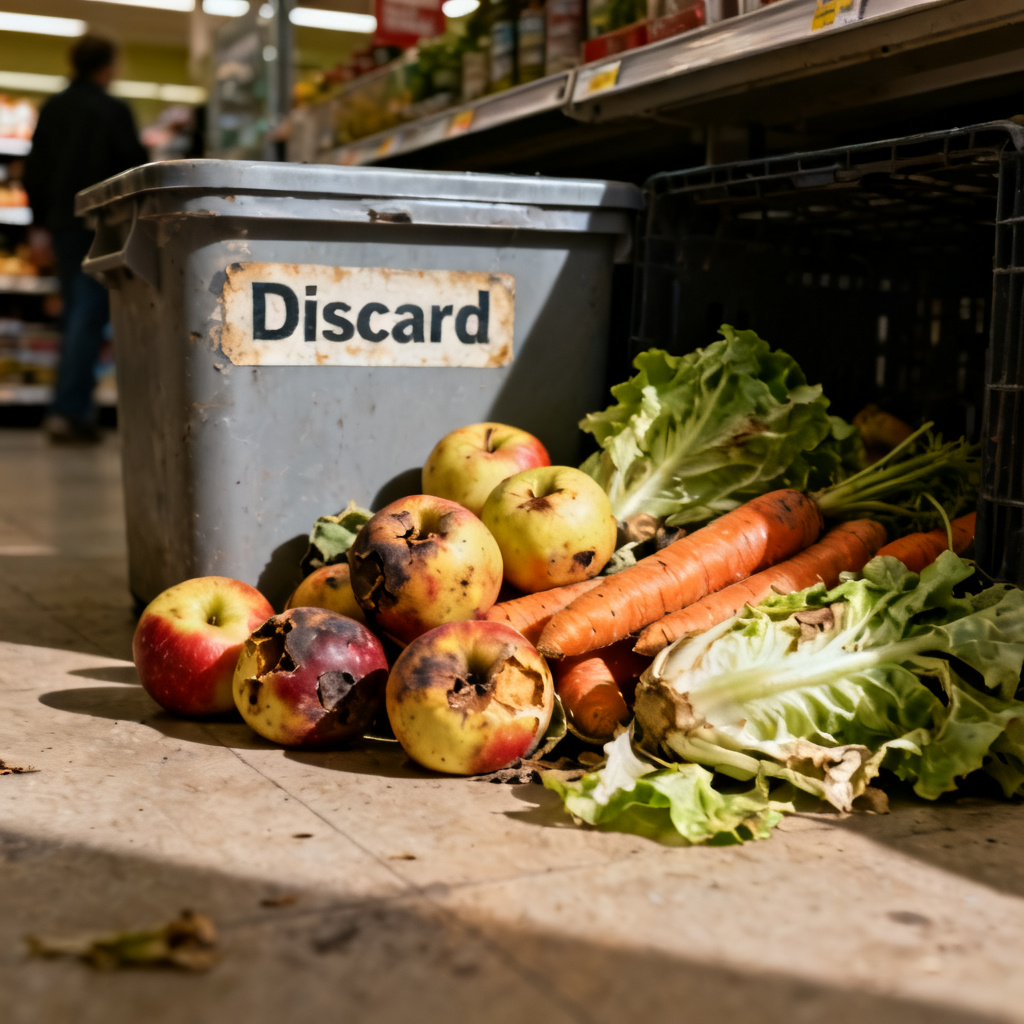
the amount of something that is wasted or lost.
浪費量
➕
ろうひりょう
n.
無駄にされたり失われたりする物の量。特に食品や資源の廃棄を指すことが多い。
📘 詳細と使い方
📖 語根解説
'waste'(浪費)+ 名詞化接尾辞 '-age' で構成。
💡 記憶法
'Waste'(無駄)+ 'age'(年齢)→ 年齢を重ねると無駄が増えるイメージ。
📖 例文
The supermarket manager was concerned about the high wastage of fruits and vegetables that were thrown away daily.
スーパーマネージャーは、毎日廃棄される果物や野菜の高い浪費量を懸念していた。
🔗 コロケーション
food wastage – 食品廃棄
wastage rate – 廃棄率
high wastage – 高い浪費量
🚫 対義語
conservation (n.) – 節約、保存。
efficiency (n.) – 効率、無駄のなさ。
📖 文化的背景
英語 'waste'(浪費)に接尾辞 '-age' が付いた語。現代では食品廃棄や自然減員など、様々な分野で使用される。
意味 2:自然減 (wastage)
wastage
/ˈweɪstɪdʒ/
n.
the reduction in the number of employees through natural reasons like retirement or resignation, not by being fired.

自然減
➕
しぜんげん
n.
退職や定年など自然な理由による従業員数の減少。レイオフではない。
📘 詳細と使い方
📖 例文
The company plans to downsize not by layoffs, but through natural wastage as older employees retire.
同社は解雇ではなく、高齢従業員の退職による自然減を通じて人員削減を計画している。
🔗 コロケーション
natural wastage – 自然減
staff wastage – 人員減
wastage rate – 離職率
🚫 対義語
recruitment (n.) – 採用、新規雇用。
hiring (n.) – 雇入れ、採用活動。
単語帳
データはこのブラウザに保存されています