テーマ:
wagonの意味|貨車・荷馬車の英語表現 (2 意味)
意味 1:貨車 (wagon)
wagon
/ˈwæɡən/
n.
A railway vehicle used for carrying goods, like coal or grain.
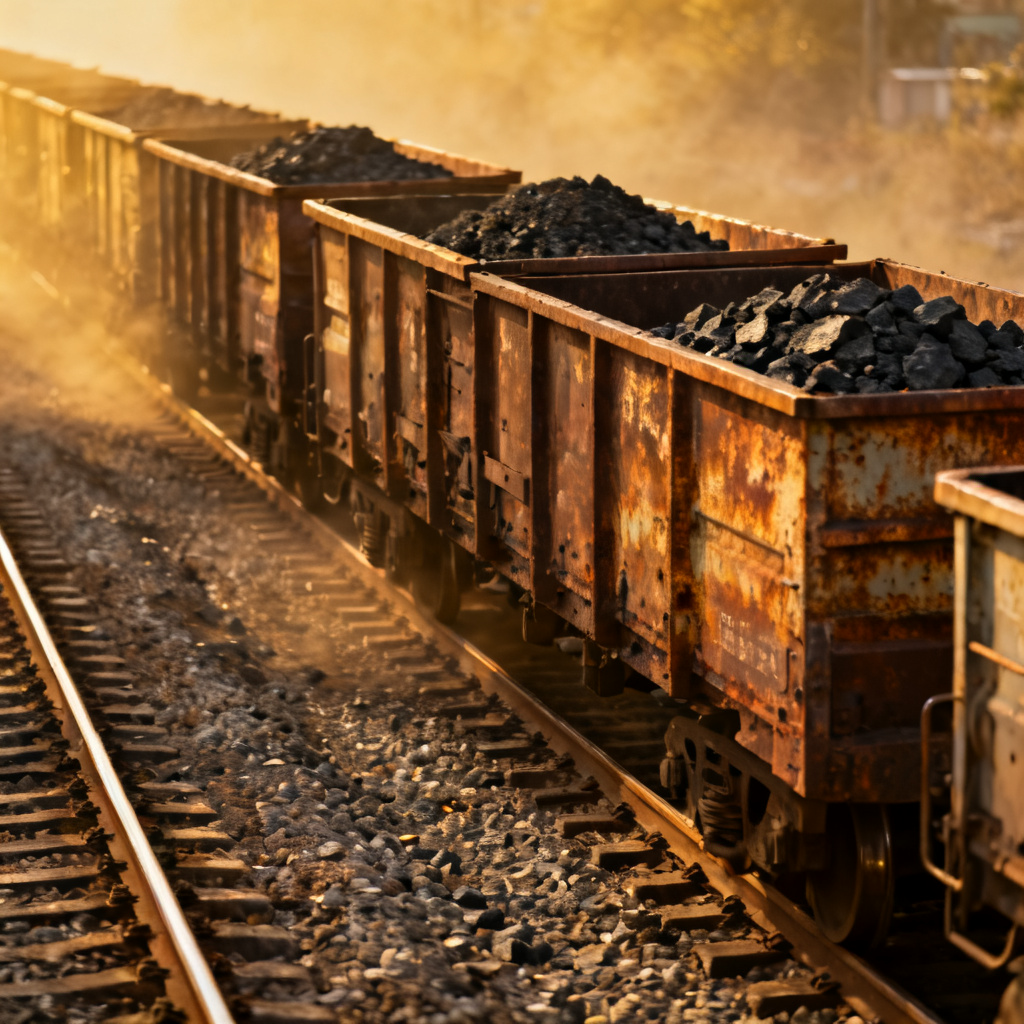
貨車
➕
かしゃ
n.
鉄道で石炭や穀物などの貨物を運ぶための車両。
📘 詳細と使い方
📖 語根解説
古フランス語「wagen」に由来し、さらにゲルマン語系の「運ぶ」を意味する語根から派生。
💡 記憶法
「ワゴン」=「ワ(和)ゴン(ゴンドラ)→荷物を運ぶ箱」とイメージ。
📖 例文
At the busy railway yard, we saw a long wagon filled with shiny new cars ready to be delivered.
賑やかな鉄道操車場で、私たちは新品の車を満載した長い貨車を見ました。
🔗 コロケーション
freight wagon – 貨物列車の車両
coal wagon – 石炭運搬用貨車
🚫 対義語
passenger car (n.) – 旅客用車両
🌱 派生語
wagonload (n.) – 貨車一車分の貨物
📖 文化的背景
19世紀のアメリカ開拓時代に、幌馬車(カバードワゴン)が西部への移住に不可欠だった。現在では鉄道貨車や子供用おもちゃにも応用。
意味 2:荷馬車 (wagon)
wagon
/ˈwæɡən/
n.
An old-fashioned four-wheeled vehicle pulled by horses, used for carrying goods or people.
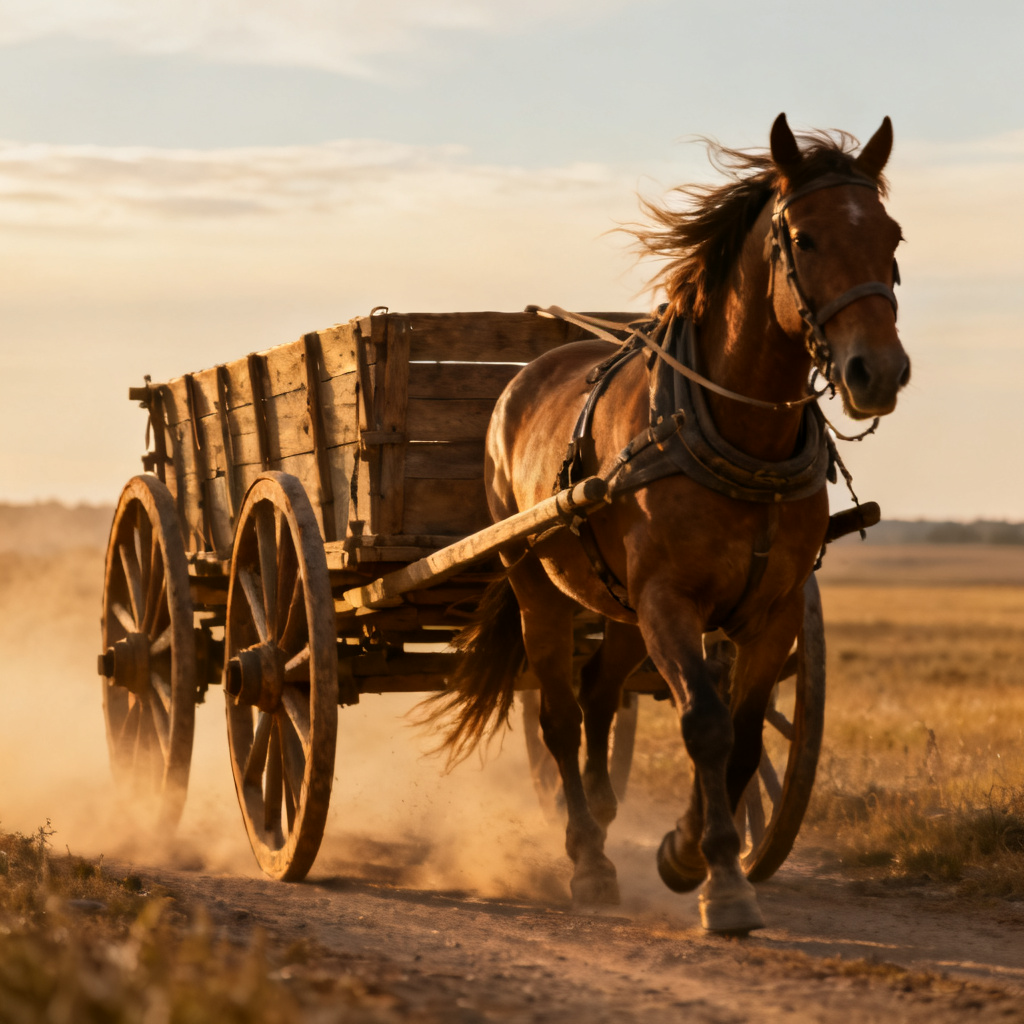
荷馬車
➕
にばしゃ
n.
馬が引く四輪の車両で、かつて貨物や人の輸送に使われた。
📘 詳細と使い方
📖 例文
The historical village offered rides in an old wooden wagon, giving visitors a feel for life in the past.
その歴史的な村では、古い木造の荷馬車に乗る体験ができ、訪問者は昔の生活を感じることができました。
🔗 コロケーション
covered wagon – 幌馬車
horse-drawn wagon – 馬車
🚫 対義語
automobile (n.) – 自動車
🌱 派生語
wagoner (n.) – 荷馬車の御者
単語帳
データはこのブラウザに保存されています