テーマ:
ritualの意味・使い方:儀式と習慣の違いを例文で解説 (2 意味)
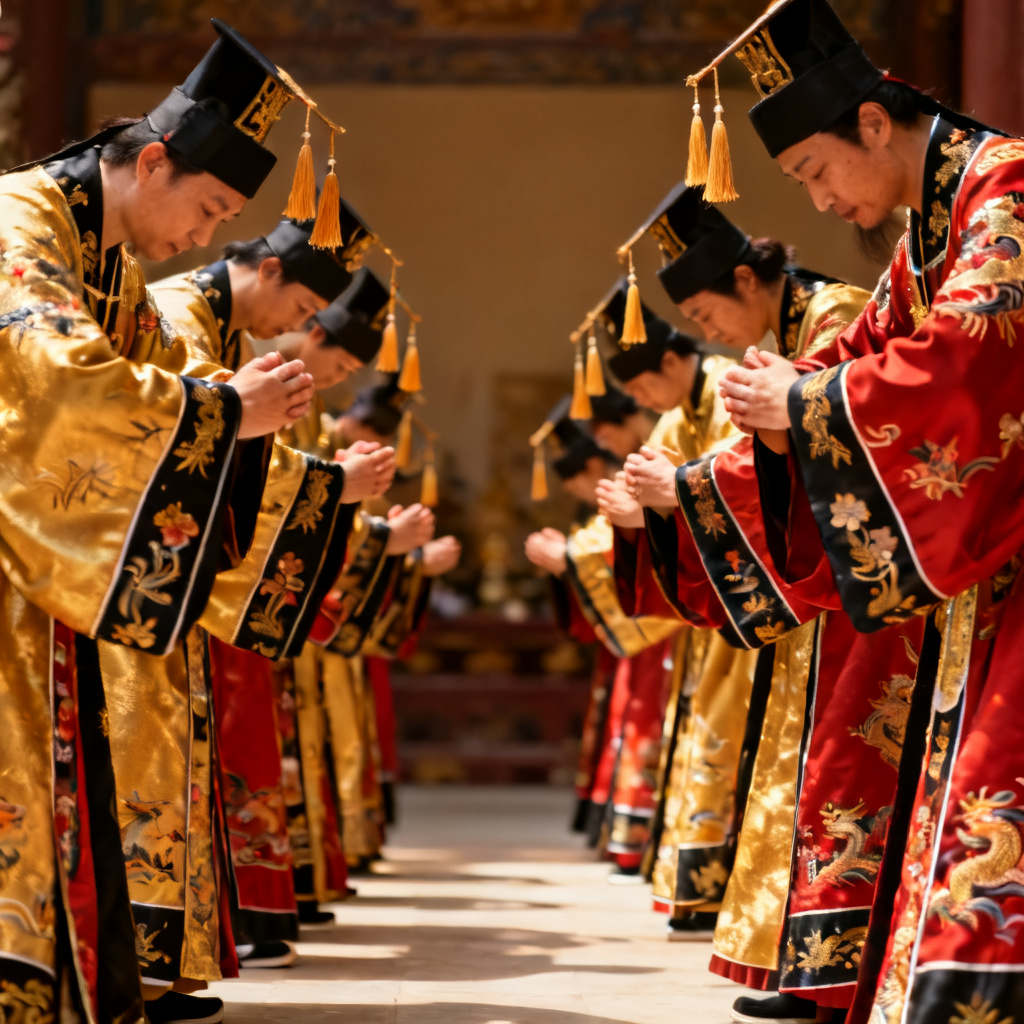
意味 1:儀式 (ritual)
ritual
/ˈrɪtʃuəl/
n.
A set of fixed actions, often with religious or cultural meaning, that are always done in a particular way.

儀式
➕
ぎしき
n.
宗教的・文化的に決められた一連の動作。常に同じ手順で行われる。
📘 詳細と使い方
📖 語根解説
ラテン語「ritualis」(儀式の)に由来。
💡 記憶法
「リズム(韻律)」+「チュアル(正式)」で、規則正しい繰り返しをイメージ。
📖 例文
The ritual of lighting candles and sharing stories brings our family together every New Year's Eve.
ろうそくを灯し、話を共有する儀式が、毎年大晦日に家族を一つにする。
🔗 コロケーション
perform a ritual – 儀式を行う
religious ritual – 宗教的儀式
ancient ritual – 古代の儀式
🌱 派生語
ritualistic (adj.) – 儀式的な
ritualize (v.) – 儀式化する
📖 文化的背景
古代ローマの宗教儀式「ritus」が語源。現代では日常の繰り返し行動にも広く使われる。
意味 2:習慣 (ritual)
ritual
/ˈrɪtʃuəl/
n.
A sequence of actions that a person does regularly and always in the same way, often for comfort or order.
習慣
➕
しゅうかん
n.
個人が規則的に、いつも同じ方法で行う一連の行動。心地よさや秩序のために行う。
📘 詳細と使い方
📖 例文
My morning ritual includes making a cup of coffee, stretching for five minutes, and planning my day before I check any messages.
私の朝の習慣は、コーヒーを一杯淹れ、5分間ストレッチをし、メッセージを確認する前に一日の計画を立てることです。
🔗 コロケーション
morning ritual – 朝の習慣
daily ritual – 日課
bedtime ritual – 就寝前の習慣
🚫 対義語
spontaneity (n.) – 即興性・自然発生的な行動
🌱 派生語
ritualized (adj.) – 習慣化された
単語帳
データはこのブラウザに保存されています