テーマ:
people - 英语词汇详解 (2 意味)
意味 1:人々 (people)
people
/ˈpiːpəl/
n.
Human beings in general; a group of men, women, and children.

人々
➕
ひとびと
n.
一般的な人間の集団を指す。男性、女性、子どもを含む、多数の人々。
📘 詳細と使い方
📖 語根解説
「people」はラテン語 'populus'(人民)に由来する。
💡 記憶法
「people」の「peo」を「ピープー」と覚え、大勢の人のイメージ。
📖 例文
In the park, you can see people walking their dogs, children playing, and friends having picnics.
公園では、犬を散歩させる人々、遊ぶ子供たち、ピクニックを楽しむ友達を見ることができます。
🔗 コロケーション
common people – 一般の人々
people power – 民衆の力
people of all ages – 全年齢層の人々
🔄 類義語
🚫 対義語
animals (n.) – 動物(人間以外)
🌱 派生語
📖 文化的背景
古代ローマの「populus」から発展し、政治的な共同体を指すようになった。現代英語では最も一般的な集合名詞の一つ。
意味 2:民族 (people)
people
/ˈpiːpəl/
n.
A community of people who share the same culture, history, language, or religion.
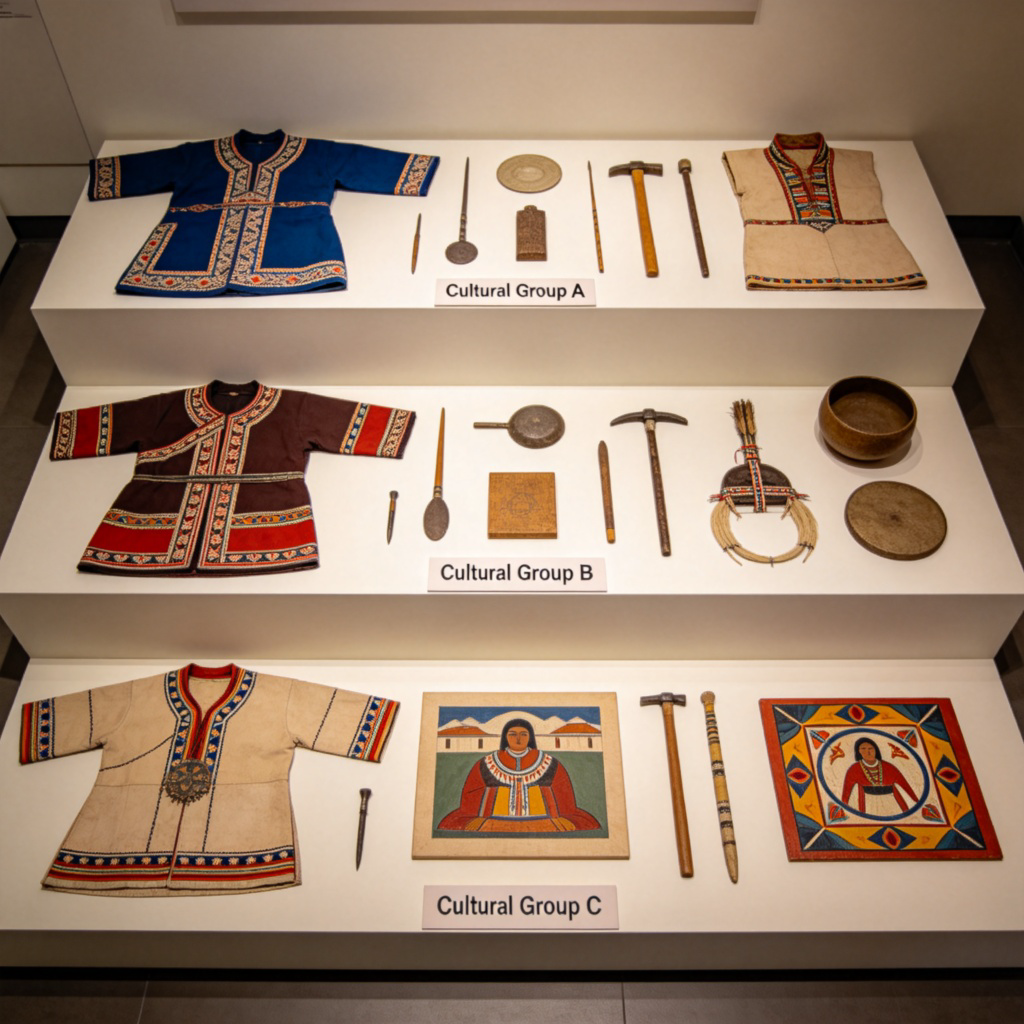
民族
➕
みんぞく
n.
同じ文化、歴史、言語、宗教を共有する人々の共同体。
📘 詳細と使い方
📖 例文
China is a country with 56 different ethnic groups, and each people has its own unique traditions and festivals.
中国は56の異なる民族グループを持つ国であり、それぞれの民族が独自の伝統と祭りを持っています。
🔗 コロケーション
indigenous people – 先住民族
ethnic people – 民族集団
people of the world – 世界の人々
🔄 類義語
🌱 派生語
peoplehood (n.) – 民族性
peopling (n.) – 住み着くこと
単語帳
データはこのブラウザに保存されています