テーマ:
Optimumの意味と用法|最適な状態を表す形容詞 (2 意味)
意味 1:最適 (optimum)
optimum
/ˈɒptɪməm/
adj.
the best or most favorable condition, amount, or degree for something.

最適
➕
さいてき
adj.
ある物事にとって最も良い状態や条件、程度のこと。
📘 詳細と使い方
📖 語根解説
ラテン語「optimus」(最良)から派生。最良の状態を表す語根。
💡 記憶法
「オプティマム」→「おっ、ぴったり!」と覚える。最適な状態をイメージ。
📖 例文
For optimum performance the next day, he ensured he got his optimum amount of sleep.
翌日の最適なパフォーマンスのために、彼は最適な睡眠時間を確保した。
🔗 コロケーション
optimum temperature – 最適温度
optimum condition – 最適条件
optimum level – 最適レベル
🚫 対義語
worst (形容詞) – 最悪の、最も悪い状態
suboptimal (形容詞) – 最適未満の、最適に達していないこと
📖 文化的背景
ラテン語「optimus」(最良)に由来し、18世紀以降英語で広く使われる。現代では科学・工学・健康などで「最適条件」を指す重要な概念。
意味 2:最適点 (optimum)
optimum
/ˈɒptɪməm/
adj.
the point at which a machine, system, or process works most effectively or produces the best results.
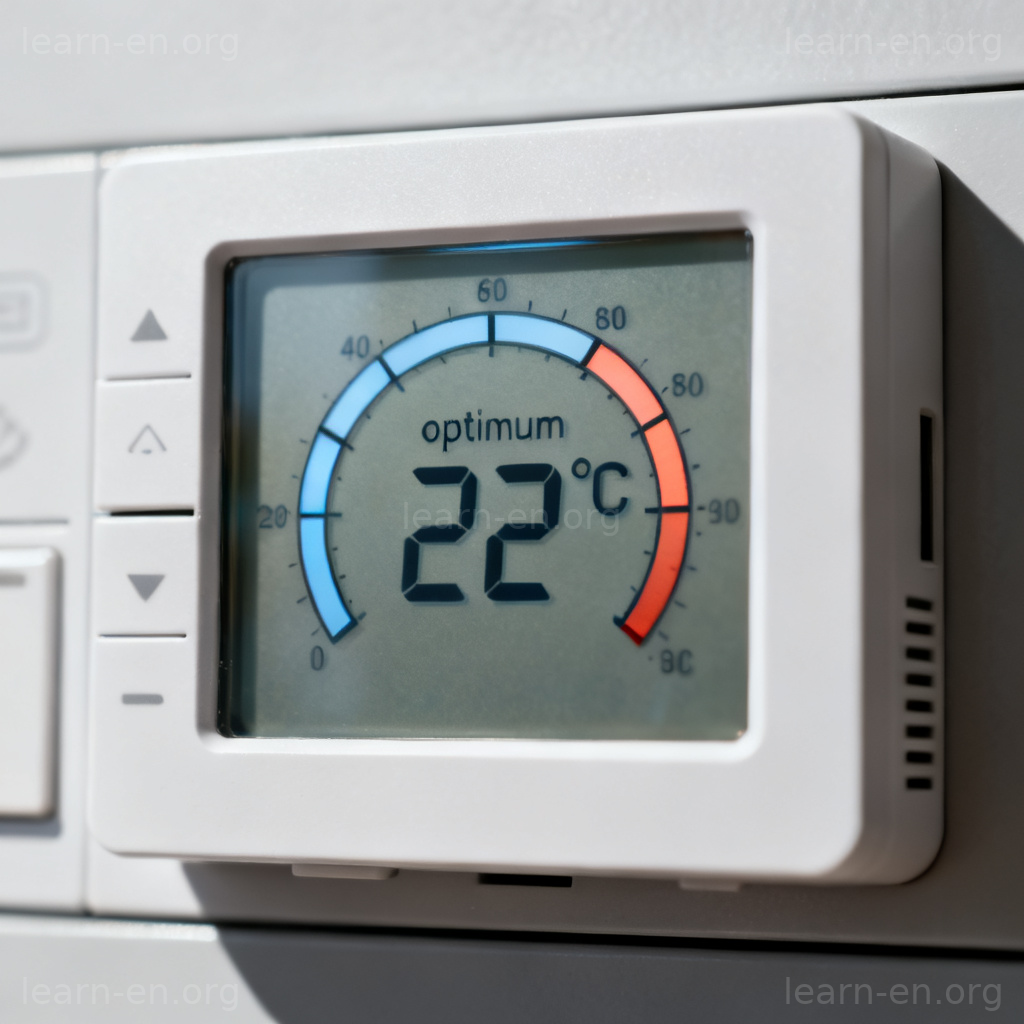
最適点
➕
さいてきてん
adj.
機械やシステム、プロセスが最も効果的に働く、または最良の結果を生み出す点。
📘 詳細と使い方
📖 例文
This electric car achieves its optimum range at an ambient temperature of 20 degrees Celsius.
この電気自動車は、周囲温度20℃で最適な航続距離を達成する。
🔗 コロケーション
optimum performance – 最適性能
optimum range – 最適範囲
optimum setting – 最適設定
🚫 対義語
inefficient (形容詞) – 非効率的な、無駄が多い
substandard (形容詞) – 標準以下の、基準に達していない
単語帳
データはこのブラウザに保存されています